Box tree moth from Asia has spread across Ontario since first appearing in 2018
An invasive pest native to Asia that feeds on boxwood plants has rapidly colonized Ontario and five other Canadian provinces in just eight years.
The day's top stories, food & events — every morning at 7. Unsubscribe anytime.
The box tree moth, an invasive species native to Asia, has spread rapidly across Ontario and into Quebec, New Brunswick, Nova Scotia, Prince Edward Island and Newfoundland and Labrador since first being documented in Ontario in August 2018.
The moth is believed to have entered Ontario via a shipment of boxwoods from Europe. Several specimens were reported in late August 2018, and this summer dozens of additional sightings across Ontario have been logged on iNaturalist, a biodiversity social network.
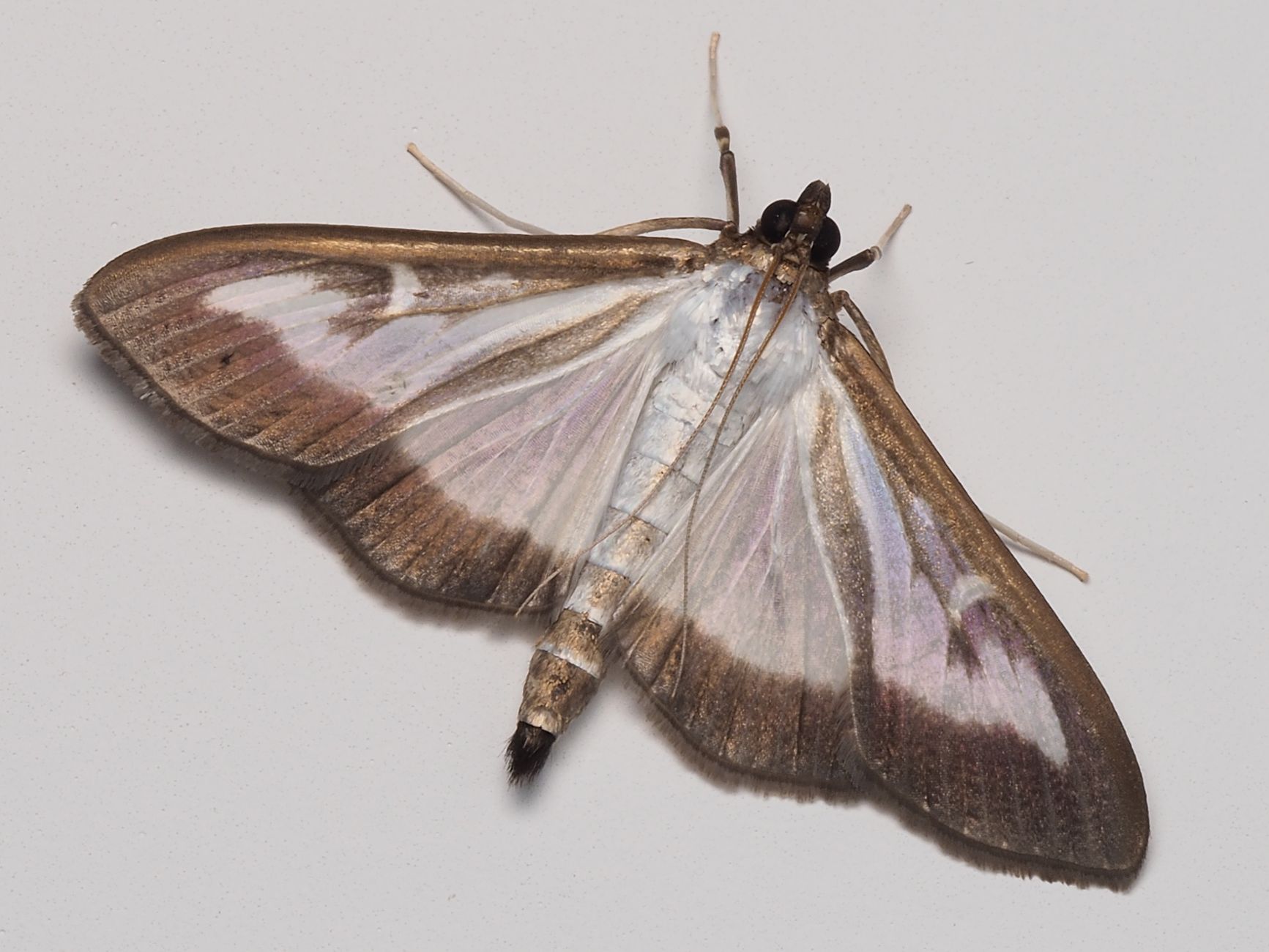
The pest is now a regulated pest in Canada and poses a serious threat to boxwood plants, which are commonly used in gardens and landscapes throughout southern Ontario and beyond. The moth feeds voraciously on boxwood foliage. Adults have an average wingspan of four centimetres and typically come in two colour variants: the more common white wings with thick dark brown borders, and a less common brown variant with a small white streak on the forewing.
According to the Invasive Species Centre, two generations of adult moths have been observed in Ontario — one in late June to early July and another in late August to early September. During heavy infestations, box tree moths can completely defoliate host plants. Even after stripping all leaves, they continue feeding on the bark, which effectively kills the plant. Caterpillars are particularly known for leaving behind skeletonized foliage.
The federal government recommends inspecting boxwood plants from May to September for signs of the pest. Adults, pupae, mature larvae and leaves with eggs can be removed by hand and destroyed by placing them in alcohol, soapy water or an airtight container. Larvae can also be controlled with a biological pesticide containing Bacillus thuringiensis subspecies kurstaki, though multiple treatments may be required.
By the numbers
When was the box tree moth first documented in Canada?
August 2018 in Ontario. The moth is believed to have arrived via a shipment of boxwoods from Europe.
How many Canadian provinces have the box tree moth spread to since 2018?
Six provinces total: Ontario, Quebec, New Brunswick, Nova Scotia, Prince Edward Island, and Newfoundland and Labrador.
What is the average wingspan of an adult box tree moth?
Four centimetres. Adults typically have white wings with thick dark brown borders, or a less common brown variant with a small white streak on the forewing.
How many generations of box tree moths occur in Ontario each year?
Two generations have been observed in Ontario: one in late June to early July and another in late August to early September.
