Canada's submarine competition enters final decision phase
Federal government will choose between South Korea and Germany by end of June for a contract worth tens of billions to supply 12 submarines to the Royal Canadian Navy.
The day's top stories, food & events — every morning at 7. Unsubscribe anytime.
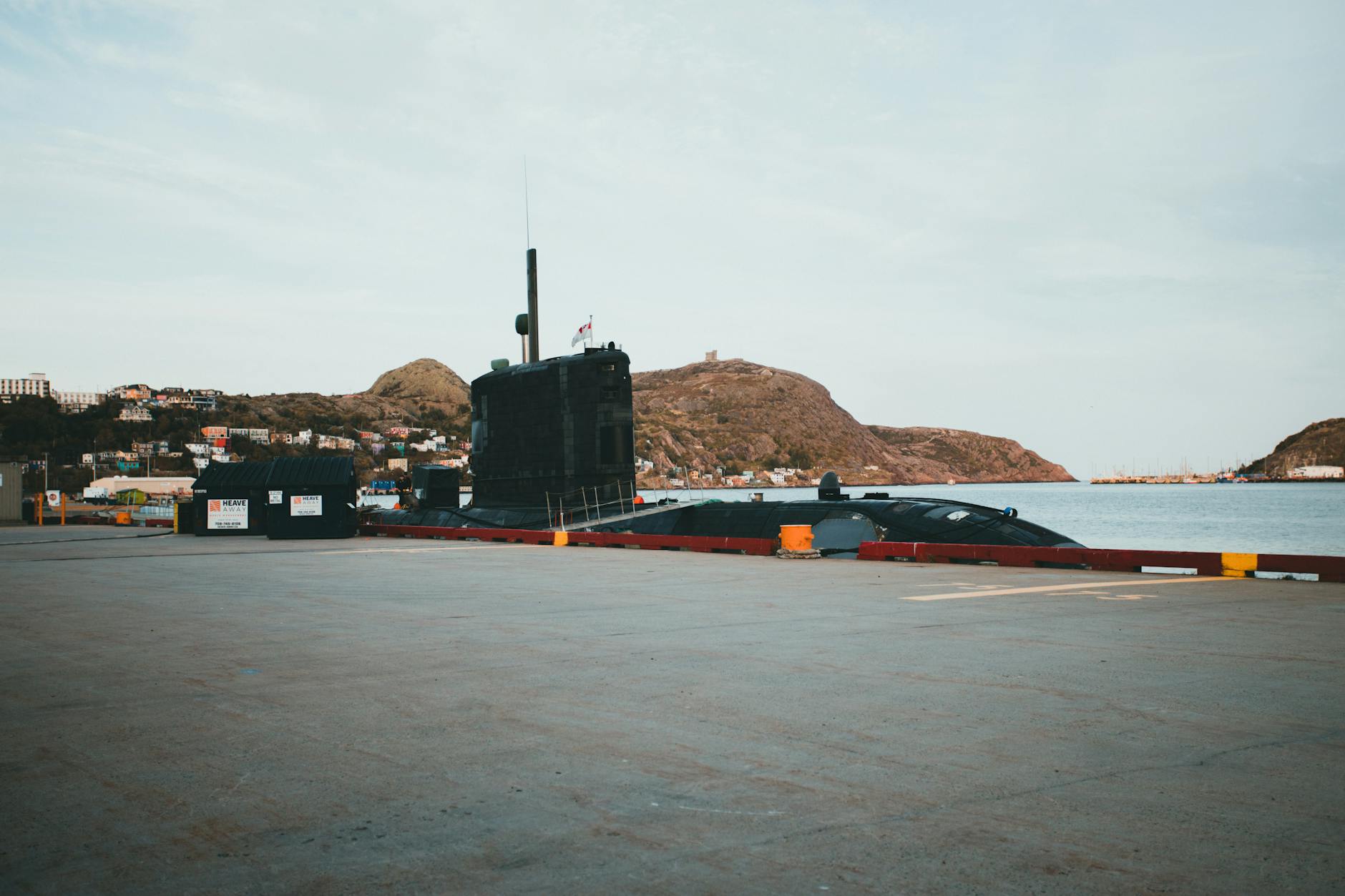
The race to build Canada's next submarine fleet is down to its final lap. The federal government will pick between South Korea's Hanwha Oceans and Germany's TKMS by the end of June, concluding what amounts to the fastest major military procurement Canada has ever done.
The competition is unusually compressed — typically, navy combat ship projects take five years or longer. Secretary of State Stephen Fuhr told journalists the government has moved at "light speed" on this procurement, which could be "the biggest military procurement Canada has ever done."
The two bidders are fighting for a lucrative contract to supply roughly 12 submarines, expected to be worth tens of billions of dollars. TKMS, a German powerhouse that has supplied most of NATO's conventional fleet, is pitching submarine interoperability with German and Norwegian vessels that track Russian subs together. Hanwha, a dark horse that has never exported a submarine, launched a massive advertising blitz across Parliament Hill and Ottawa airport with a TV and online campaign.
TKMS CEO Oliver Burkhard said the race remains close. "Third quarter of the game and it's still a draw, so let's see who will win," he said. "We're ready."
Hanwha Defence Canada CEO Glenn Copeland said the company aims to become a household defence supplier in North America, like LG, Kia and Hyundai have in consumer goods.
The federal government's internal analysis of the competing bids is expected to be complete by now. The decision reflects Prime Minister Mark Carney's government push to secure domestic economic benefits from the massive contract.
