Series "Sur le fil" humanizes homelessness beyond consumption and mental health stereotypes
The Radio-Canada drama, airing this fall, was developed with input from Mission Old Brewery and other shelter organizations eager to counter media clichés about people experiencing homelessness.
The day's top stories, food & events — every morning at 7. Unsubscribe anytime.
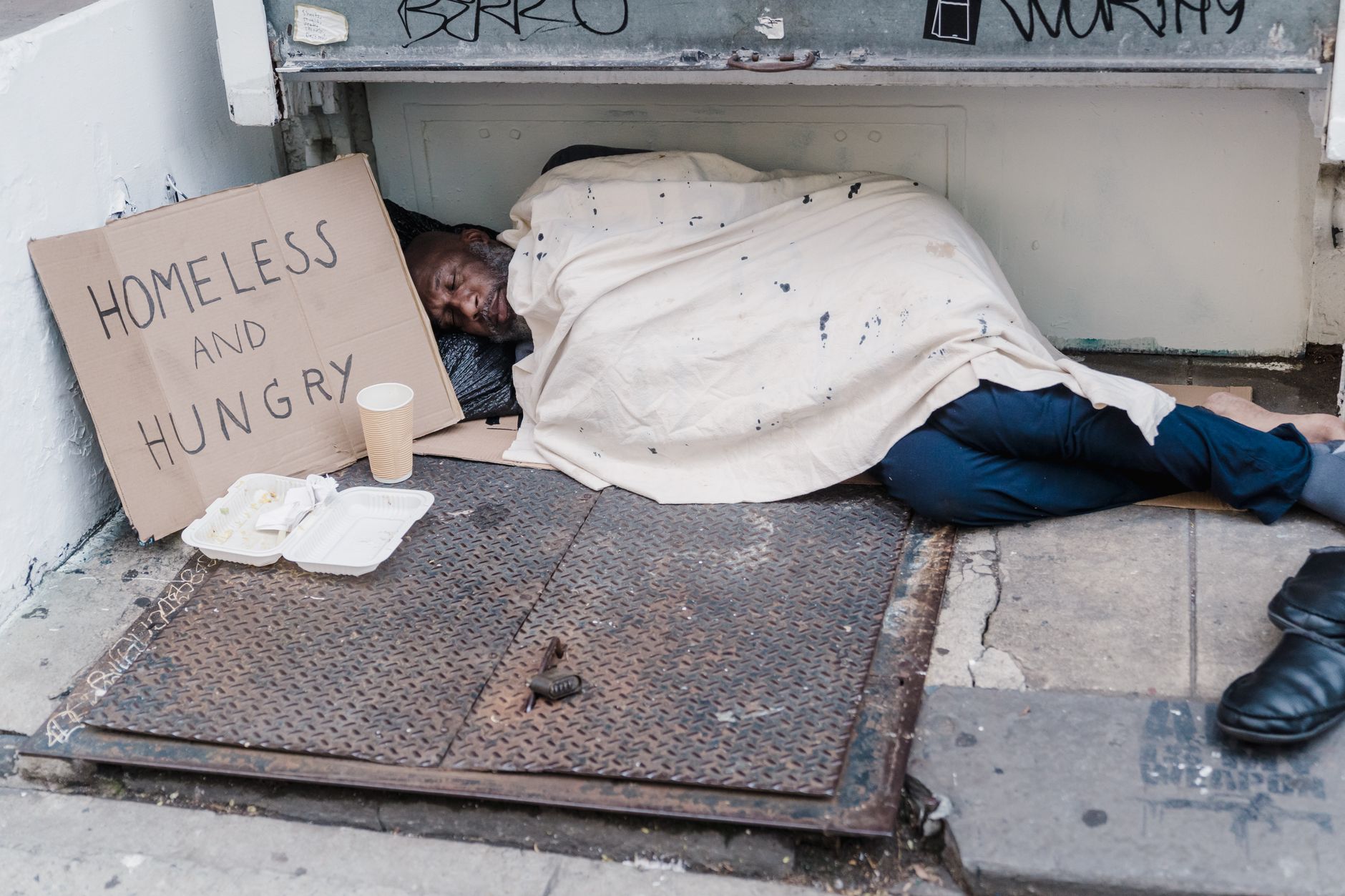
A new television series is set to reshape how Québec sees homelessness. "Sur le fil," filming now and airing this fall on Radio-Canada, centres the daily reality of a support centre for people experiencing homelessness — but refuses the familiar reductionism of media coverage.
"Il y a beaucoup de préjugés à défaire," said Etienne Desgagnés, communications director at Mission Old Brewery, one of Quebec's and Canada's largest shelter organizations. "On espère que Sur le fil va aller au-delà des enjeux de consommation et de santé mentale." Despite reservations, he called himself "excité" about the series.
Scenarist Pascale Renaud-Hébert grew up around this world. Her parents founded a community organization in Saint-Eustache 37 years ago to support people experiencing homelessness; her father later entered politics, and her mother still leads the group. Before writing, Renaud-Hébert conducted extensive research — online, on the ground, listening to people's testimonies — and had actors meet shelter workers to ground their performances in real life.
The cast members' characters carry "diversité de bagages et surtout d'histoires," Renaud-Hébert emphasized, far from clichés of homelessness. Eve Ferreira-Aganier, at Accueil Bonneau, another major shelter, stressed the importance of sincerity in how actors deliver the script — intervention work is fundamentally about trust and human connection, not instruction.
Desgagnés noted a critical shift: "Depuis la pandémie, on voit vraiment que l'itinérance se rajeunit, se féminise et se régionalise." Homelessness is not a monolith, and the series aims to prove it.
