Mark Breslaw was 48 when he got lost at a four-way stop near home
A lost moment at a four-way stop near home, and a diagnosis nobody expected, put Mark Breslaw on a path that many younger Canadians with dementia also face.
The day's top stories, food & events — every morning at 7. Unsubscribe anytime.
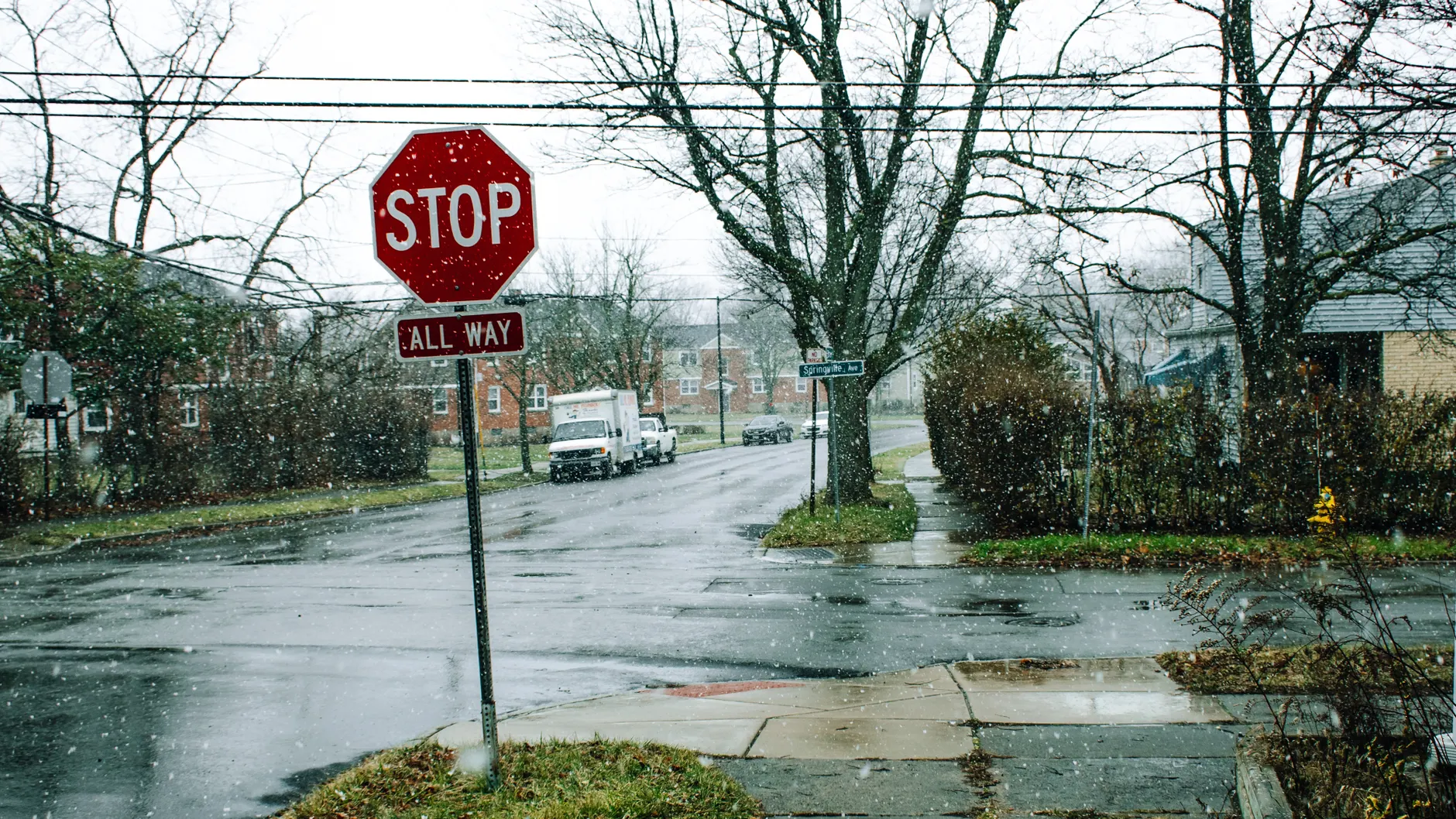
Mark Breslaw sat in his car at a four-way stop minutes from home and didn't know which way to turn. He had driven that same route from work for 18 years. It was three years ago, and he didn't tell his wife.
He got lost at the same intersection two more times before he booked an appointment with his family doctor in January 2024. He had been forgetting colleagues' names, pressing the wrong elevator floor, and missing back-to-back meetings. He chalked it up to stress and a young son at home. The appointment ended in a diagnosis of young-onset Alzheimer's disease, dementia diagnosed before age 65.
A 2024 Alzheimer Society of Canada report estimates about 28,000 people in Canada were living with young-onset dementia in 2020, and projects that number will pass 40,000 by 2050. The same report notes there is no national system for tracking all dementia cases, let alone those diagnosed under 65.
Cathy Barrick, CEO of the Alzheimer Society of Ontario, says younger people are often in the middle of their working lives, with children at home or in university. "These are people who are often in the prime of their life," she said. "They're still working. They may have children still at home. They may have children in university."
Barrick says the first hurdle is getting a diagnosis at all, because dementia is not assumed as the cause of symptoms in someone that young. Once diagnosed, she says, services often don't meet the needs of younger people.
