Pollen Levels Double, Allergies Worsen Across Canada
Canadian researchers report that pollen counts have surged due to climate change, making seasonal allergies increasingly severe for city residents.
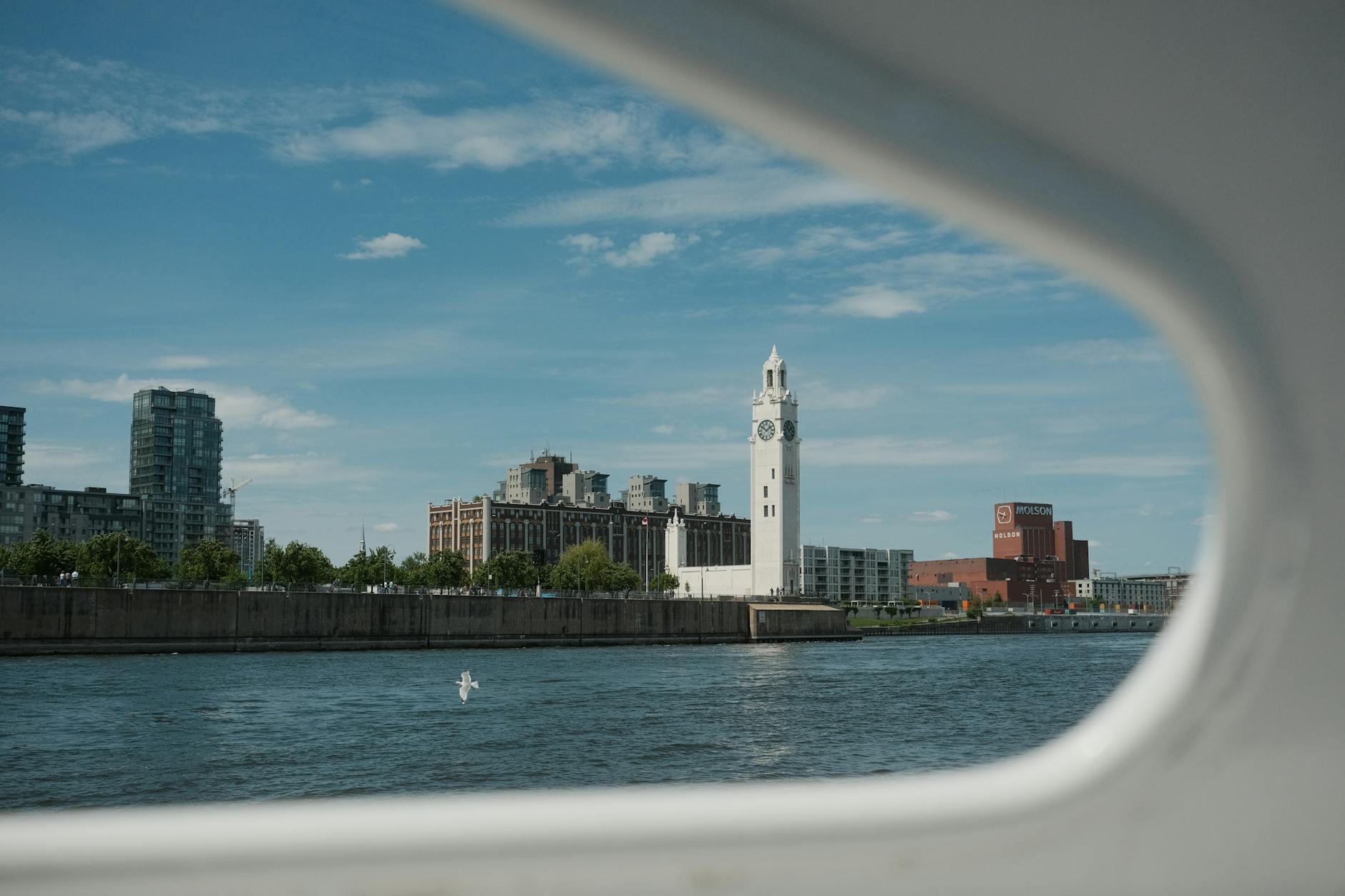
If you've been sneezing more than usual this spring, there's actual data behind your misery. A new report from Aerobiology Research Laboratories, which monitors pollen across Canada, reveals that powdery pollen counts have doubled in recent years—and climate change is the culprit.
Director Daniel Coates laid out the science plainly: longer warm-weather periods mean plants release more pollen, and those plants are thriving in ways they didn't before. For Montreal residents already battling seasonal hay fever, hives, and other allergic reactions, this isn't just an inconvenience—it's a health trend reshaping how people manage their springs and early summers.
The spike is particularly pronounced in urban areas, where heat islands make temperatures even higher and plants even more prolific. That means downtown Montreal and surrounding neighborhoods are experiencing more intense pollen seasons than rural regions, catching commuters off guard even when they've weathered allergies for years.
Expertise on managing these intensified allergies is shifting too. Allergists are increasingly recommending earlier intervention—starting medications before symptoms hit rather than waiting for full-blown reactions. Some residents are also shifting routines: keeping windows closed during peak pollen hours, planning outdoor activities for late afternoon when pollen counts typically drop, and investing in better air filters at home and in vehicles.
The broader climate signal here is unavoidable. If pollen is doubling now, expect worse in coming years unless warming trends reverse—making this a quiet but significant health story for the city.