Twelve dogs rescued from South Korean dog meat farm now in rehabilitation near Montreal
Humane World for Animals brought 12 survivors of a Gangjin farm to Vaudreuil as South Korea's parliament-mandated ban on the dog meat industry takes effect in February 2027.
The day's top stories, food & events — every morning at 7. Unsubscribe anytime.
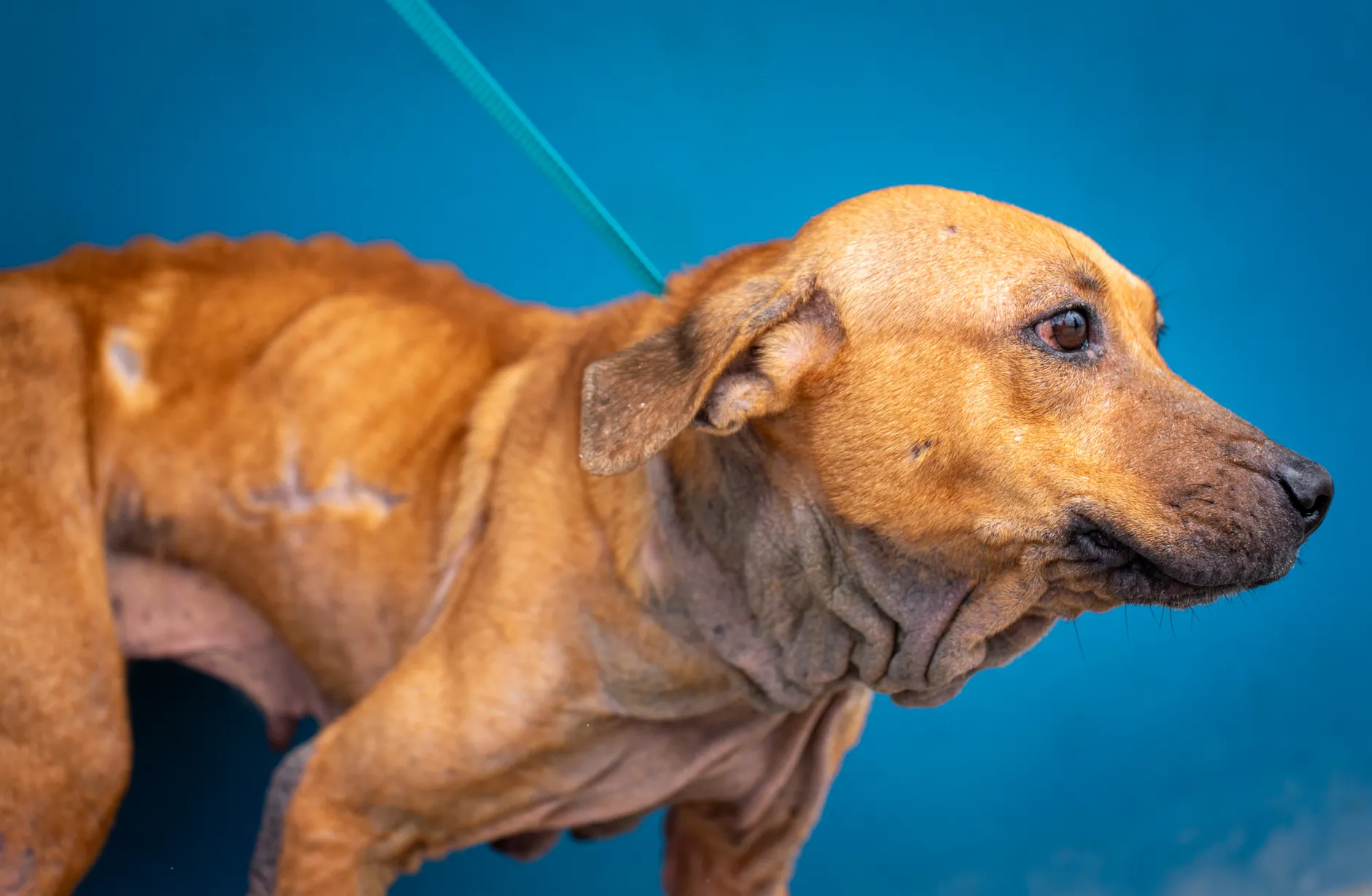
Twelve dogs rescued from a dog meat farm in Gangjin, South Korea, have arrived at a Humane World for Animals rehabilitation centre in Vaudreuil as the country moves toward banning the dog meat industry entirely.
The Gangjin farm once bred and slaughtered as many as 1,000 dogs per year. Humane World for Animals (formerly Humane Society International) conducted the rescue after a member of the public contacted the animal protection group, which then contacted authorities. The 80-year-old farmer agreed to relinquish the remaining dogs and signed a written commitment to no longer participate in the dog meat industry. Over 70 dogs were rescued from the farm; 12 arrived in Montreal.
South Korea's parliament voted to ban the dog meat industry, with the ban taking effect February 2027. A survey showed 80 per cent of South Korea's population supported the action. Many South Korean businesses have already switched from dog meat bosintang to black goat stew. By May 2026, more than 80 per cent of registered dog meat farms had shut down; the government had counted nearly 5,900 dog meat-related businesses when the ban passed in January 2024.
Humane World for Animals has rescued around 3,000 dogs from South Korean farms since 2015, with nearly 1,000 coming to Canada. The rescued dogs include Korean Jindo, corgi mix, husky mix, and German shepherd breeds between one and two years old. Puppies and pregnant dogs remain in a South Korean boarding facility until they are fit to travel.
At the Vaudreuil centre, dogs undergo veterinary exams and behavioural rehabilitation before adoption. The rehabilitation process can take a few weeks to a month. "We have this work ahead of us when they arrive where we have to rebuild their well-being," said Ewa Demianowicz, program director for Humane World for Animals Canada. "The trauma that they've experienced and the conditions that they've been through really has a physical toll on them, but also a psychological toll."
Sangkyung Lee, Humane World for Animals Korea campaign manager, reflected on the organisation's decade-long effort: "For more than a decade, our rescue teams have shone a spotlight inside these dog meat farms and faced the heartbreak of witnessing the suffering involved in this industry while saving the lives of thousands of dogs."
What is the timeline for these dogs to become available for adoption?
How many of the remaining dogs at the Gangjin farm are still waiting for rescue or transport?
We'll update this story as answers emerge.
The facts
How many dogs were rescued from the Gangjin farm in South Korea?
Over 70 dogs were rescued from the Gangjin farm; 12 of them arrived at the Humane World for Animals rehabilitation centre in Vaudreuil, Quebec.
When does South Korea's dog meat industry ban take effect?
The ban takes effect in February 2027, after South Korea's parliament voted to prohibit the dog meat industry entirely.
How many dogs has Humane World for Animals rescued from South Korea since 2015?
Humane World for Animals has rescued around 3,000 dogs from South Korean farms since 2015, with nearly 1,000 of them coming to Canada.
How long does rehabilitation take at the Vaudreuil centre?
The rehabilitation process at the Vaudreuil centre can take a few weeks to a month, during which dogs undergo veterinary exams and behavioural rehabilitation before adoption.
