Pentagon pressures Canada on defence spending commitment
U.S. officials criticize Ottawa's lack of concrete plan to meet new NATO targets and warn of strained North American defence cooperation.
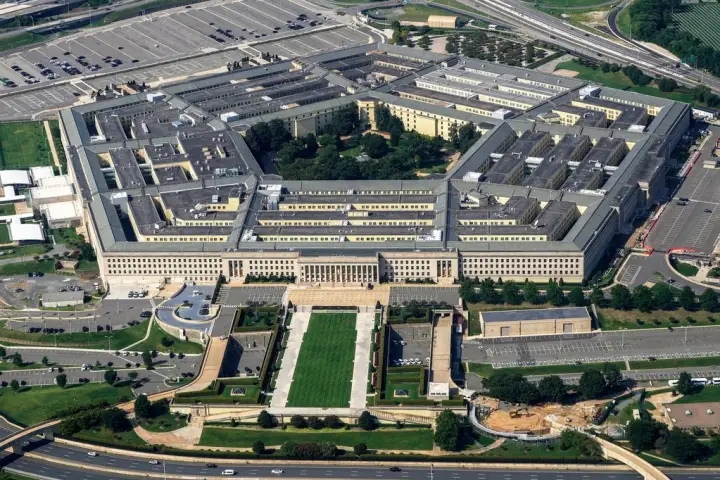
The U.S. Pentagon has escalated pressure on Canada over defence spending, with senior officials accusing Ottawa of failing to deliver a credible plan for meeting new NATO targets despite recent historic investments.
A high-ranking Pentagon official told Canadian journalists this week that the U.S. provided Ottawa with a classified paper outlining defence priorities for a collective North American strategy, but said Canada's response was vague and insufficient. The official criticized Canada's delayed decision on F-35 fighter jet procurement and questioned whether announced spending commitments translate to meaningful military capability.
Defence Minister David McGuinty's office did not directly respond to questions about the classified document or Ottawa's response. Communications director Alice Hansen pointed to Canada's record 2025 defence spending of $63.4 billion—meeting NATO's two per cent GDP target for the first time—and announced plans to spend over $82 billion over five years on Armed Forces capabilities.
The tension reflects broader friction in Canada-U.S. relations under the Trump administration, which has pressured allies on spending and openly questioned NATO's value. The Pentagon's decision to pause the Permanent Joint Board on Defense, established in 1940 as a bilateral advisory forum, signals serious disagreement over continental defence coordination.
Experts say the conflict hinges on semantics and trust: Pentagon officials view their classified list as binding requirements, while Canadian officials see it as a discussion starter. The standoff could affect defence procurement decisions and CUSMA trade negotiations ahead.