David Suzuki brings environmental message to National Arts Centre with orchestra and curated playlist
At 90, the environmentalist selected pieces from Beethoven to Joni Mitchell, emphasizing that what humans do to nature they do to themselves.
The day's top stories, food & events — every morning at 7. Unsubscribe anytime.
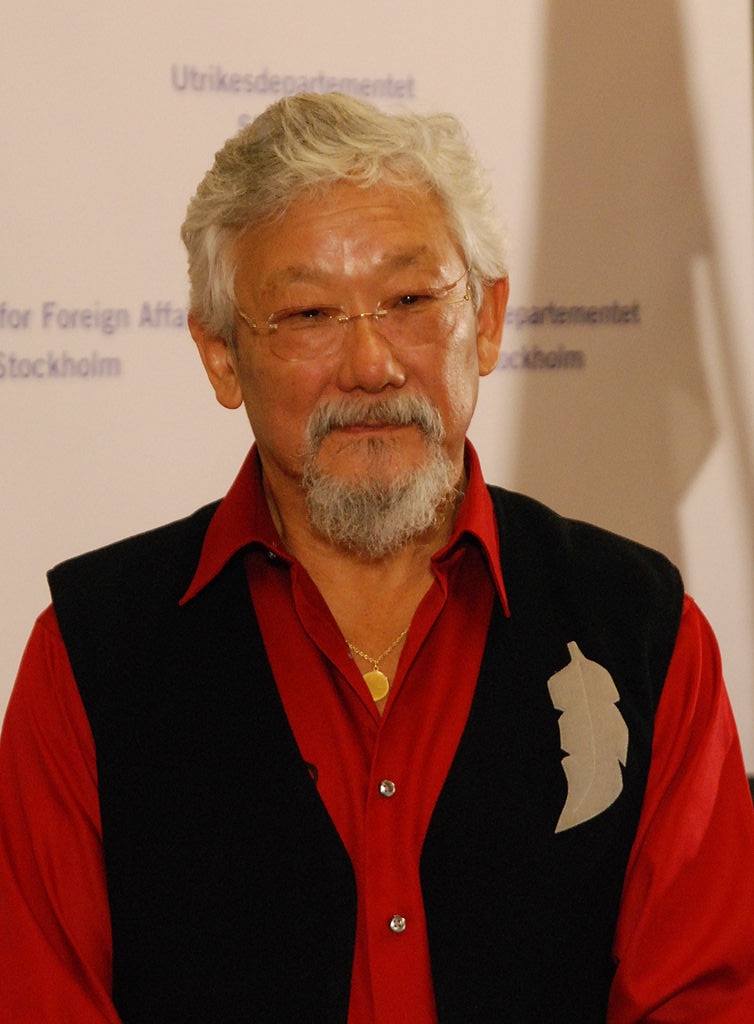
David Suzuki took the stage at the National Arts Centre on September 22 alongside the NAC Orchestra, using musical curation to send one core message: "We are nature."
Conductor Henry Kennedy opened the concert with Ludwig Beethoven's Leonore Overture No. 3, a 13-minute piece that moved between mellow and frantic sections, with violin bows rising and falling in unison. Strings moved from soft to urgent pacing. Midway through, a trumpet sounded like an army call, answered by flute birdsong—a moment of peace within the crescendos. Kennedy's entire body moved with the music's vigour, his blond curls bouncing as the piece built to its end.
"Let me just get my breath back," Kennedy said, panting after the final note.
Suzuki was welcomed with sustained applause. "When we put chemicals in soil, we eat it. When we dump waste into a river, we drink it. When we pump toxins into the air, we breathe it. Whatever we do to nature we do directly to ourselves," he said. "Now at 90, I am here trying to communicate that simple message, with an orchestra—thank you so much—to back me up."
Suzuki's second selection was Joni Mitchell's "Big Yellow Taxi," one of three contemporary pieces in his playlist. Vocalist Kellylee Evans, in a princess-like blue dress, performed the song with a full smile that never wavered, while bouncy percussion and loud brass dominated the orchestral backing.
Friedrich Delius's "Intermezzo" followed, opening with soft, contemplative sound that struck a balance among instruments—a musical peace reflected in Kennedy's slower conducting gestures. The piece transcended into a grand reveal midway through, culminating in a calm "happily ever after" with pointed, simple harp strums.
Gordon Lightfoot's "Ode to Big Blue" began with recorded sounds of water lapping on shore. Instrumentally, a baritone bellowed as if it had grown a whale tail and fins. Evans returned to the stage with a folky, adventure-like sound, repeating the lyric "around the blue pacific he did roam." Suzuki narrated once more, emphasizing humanity's innate, lost relationship with nature. "We need to fall back in love with the natural world," he said, "because we will do anything for the thing we love."
Carmen Braden's "Imaginal" completed the curated playlist, opening with mysterious xylophone ringing and soft strings. Woodwinds carried the piece with a joyful tune, like notes frolicking in a field. Near the end, snare patterns and faster strings built toward a celebratory finish, with symbol crashes marking the close.
The details
When did this concert take place?
The concert took place on Tuesday, September 22, 2026, at the National Arts Centre.
Who conducted the NAC Orchestra?
Henry Kennedy conducted the NAC Orchestra, opening the concert with Beethoven's Leonore Overture No. 3.
What was David Suzuki's main message?
Suzuki emphasized that whatever humans do to nature they do directly to themselves, stating 'We are nature' as the core theme of the concert.
Which contemporary artists were featured in Suzuki's playlist?
Joni Mitchell, Gordon Lightfoot, and Carmen Braden were the three contemporary artists included in Suzuki's curated playlist, performed alongside classical pieces by Beethoven and Friedrich Delius.
