Pinesi Paddle traces historic Algonquin river routes
A three-day canoe journey from Ottawa to Kahnawake, Quebec retraces paths travelled by Algonquin ancestors and honours Chief Pinesi's legacy.
The day's top stories, food & events — every morning at 7. Unsubscribe anytime.
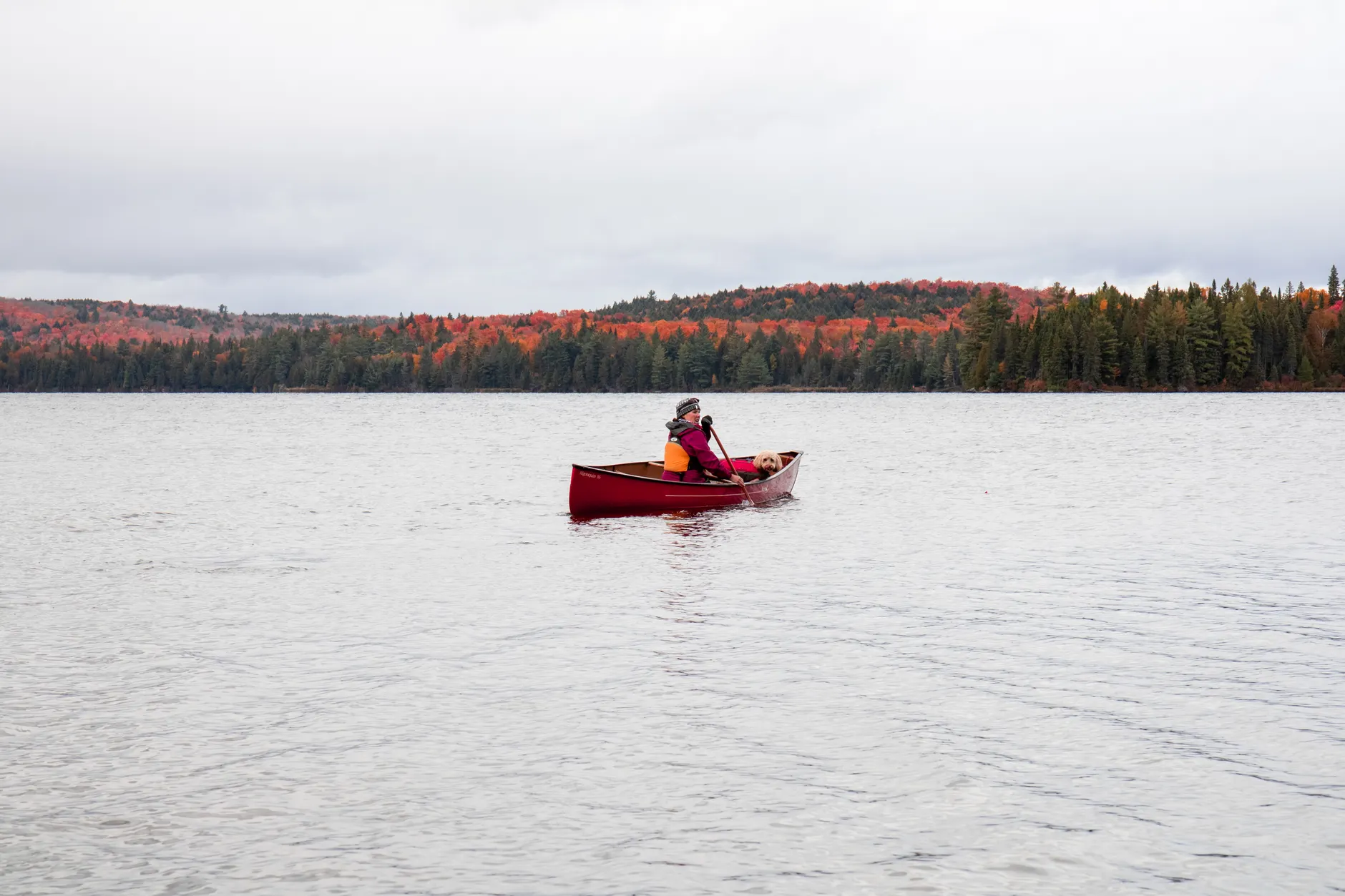
A journey on the Ottawa River by canoe involves myriad challenges like rapids, headwinds, and swarms of bugs. But for Janet Kohoko, a member of the Algonquins of Pikwakanagan First Nation, the moments she cherishes most are the quiet ones.
"No one's talking. You can hear the water dripping off your paddle," she says. Those reflective moments are part of the Pinesi Paddle, an annual summer canoe journey now entering its third year of travelling traditional Algonquin routes in the watershed. From July 5 to 10, a group of more than 30 paddlers—a mix of Indigenous and non-Indigenous canoeists, historians, and community members—will travel from Ottawa to Kahnawake, Quebec, near Montreal, with invitees from the Mohawk community on board as well.
The trips were the brainchild of Kichi Sibi Trails, a volunteer-led organization working to map and revitalize traditional trails and portages. The paddling journey is named in honour of Constant Pinesi, Grand Chief of the Algonquins at the time of Bytown's establishment. It retraces routes he would have been familiar with, especially as his people were displaced by European settlers in the 1820s.
For Kohoko and Wendy Jocko, president of Kichi Sibi Trails and a direct descendant of Chief Pinesi, the connection to traditional routes is particularly impactful. "Two hundred years ago they were going up and down the Kichi Sibi in canoes. And we're still going up and down the Kichi Sibi in canoes," Jocko says. "Although we're 200 years later, we're still floating around."
Kichi Sibi Trails has also installed trail markers along the Rideau portage route, a likely historic route around Rideau Falls, graced by motifs by Kitigan Zibi artist Simon Brascoupé. "Our footprints have been invisible. They've been paved over at certain spots," Jocko says of the trails. "Public art is a way to change those attitudes," Brascoupé adds.
