Indigenous archaeologists find estimated 500-to-8,000-year-old tools in Papineau-Labelle reserve, Quebec
A chert cutting tool, fire-heated stones and bone fragments turned up in six sites tested in October, and a coalition wants the land permanently protected.
The day's top stories, food & events — every morning at 7. Unsubscribe anytime.
Indigenous archaeologists from Mokomàn Edge Consultants have found a chert cutting tool, fire-heated stones, bone fragments and a sandstone piece in the Papineau-Labelle wildlife reserve in western Quebec. The artifacts are estimated at 500 to 8,000 years old, before European settlers arrived in North America. Radiocarbon dating is pending.
The Marie-Lefranc–Petite-Nation Coalition, a citizens' group, hired the team. It wants the Quebec government to permanently protect more than 100 square kilometres inside the reserve, where economic activities would be prohibited. The coalition's case rests on the archaeology. Louis St-Hilaire, the coalition spokesperson, called the Petite-Nation River "the Anishinabeg highway."
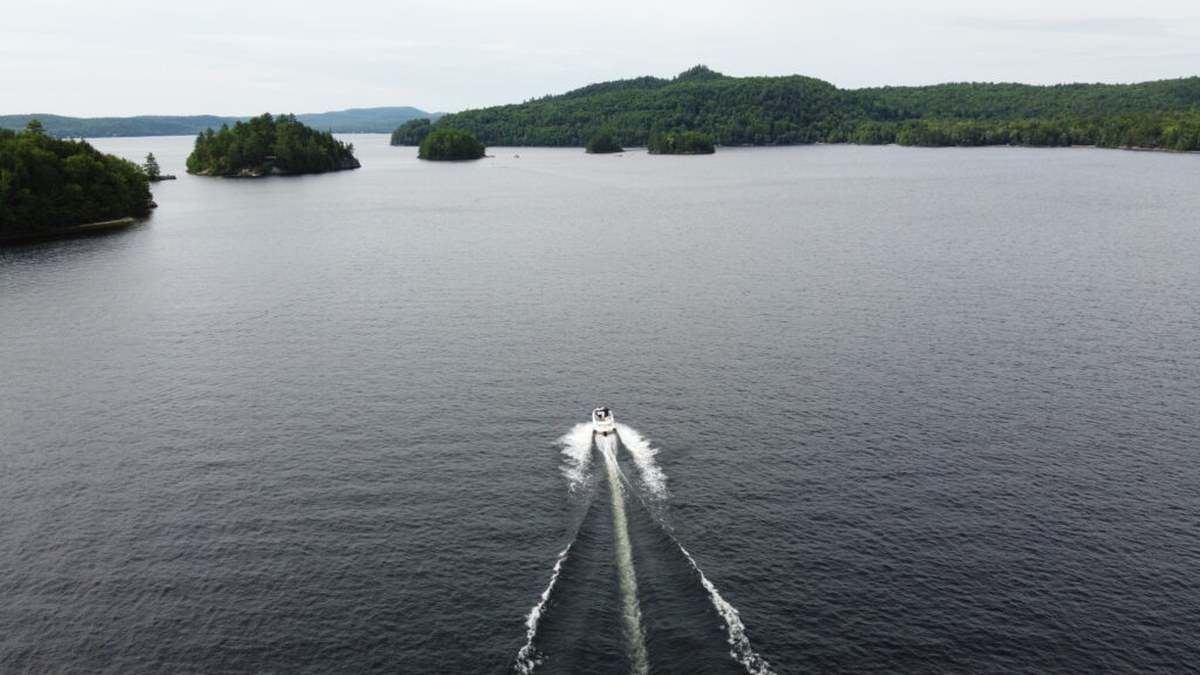
The reserve sits about two hours' drive up the Gatineau side of the Ottawa River, in the Outaouais country most of us only pass on the way to a cottage or a lake weekend.
The team dug 60 test pits between October 19 and 25 across a 7 km² zone between Lac Gagnon, Chénier, Serpent and Saint-Denis lakes. Working along portage routes for likely campsites, they identified six sites. Bone fragments have not been identified by species, and DNA tests are possible.
Adrien Cesario, the archaeologist on the project, said: "Archaeology gives an argument to protect these lands." He said the chert tool suggests a pre-contact origin, and that Indigenous peoples in the area began using metal knives after contact.
The Kitigan Zibi Anishinābeg First Nation band council backed the archaeology plan in February. The artifacts are owned by the Quebec government, which owns the land. Doug Odjick, owner of Mokomàn Edge Consultants and a former Kitigan Zibi band councillor, is negotiating with the province for their return. He said: "It's nice to be able to have the artifacts.. As an educational tool, because archaeology hasn't been a widely known profession in our community."
The protection project was accepted for review in September under a Ministry of the Environment call for projects. The project is backed by three regional county municipalities (Laurentides, Papineau and Labelle), two MNAs, 19 municipalities and 20 lake associations. It is part of Quebec's goal of protecting 30 per cent of its territory by 2030. The ministry will make its selections in 2026, and the coalition is still working with it to choose the site.
At a glance
Where exactly is the Papineau-Labelle wildlife reserve?
The Papineau-Labelle wildlife reserve is in western Quebec, about two hours' drive up the Gatineau side of the Ottawa River. Its archaeological sites lie in a 7 km² zone between Lac Gagnon, Chénier, Serpent and Saint-Denis lakes.
What artifacts did archaeologists find in the Papineau-Labelle wildlife reserve?
Indigenous archaeologists from Mokomàn Edge Consultants found a chert cutting tool, fire-heated stones, bone fragments and a sandstone piece in the Papineau-Labelle wildlife reserve. The artifacts are estimated to be 500 to 8,000 years old, and radiocarbon dating of them is still pending.
What is the Marie-Lefranc–Petite-Nation Coalition asking the Quebec government to do?
The Marie-Lefranc–Petite-N
