Northern Rivers Turning Orange, Toxic From Thawing Permafrost
A new study reveals that melting permafrost is releasing ancient metals into Canada's northern waterways, creating contamination comparable to mining sites.
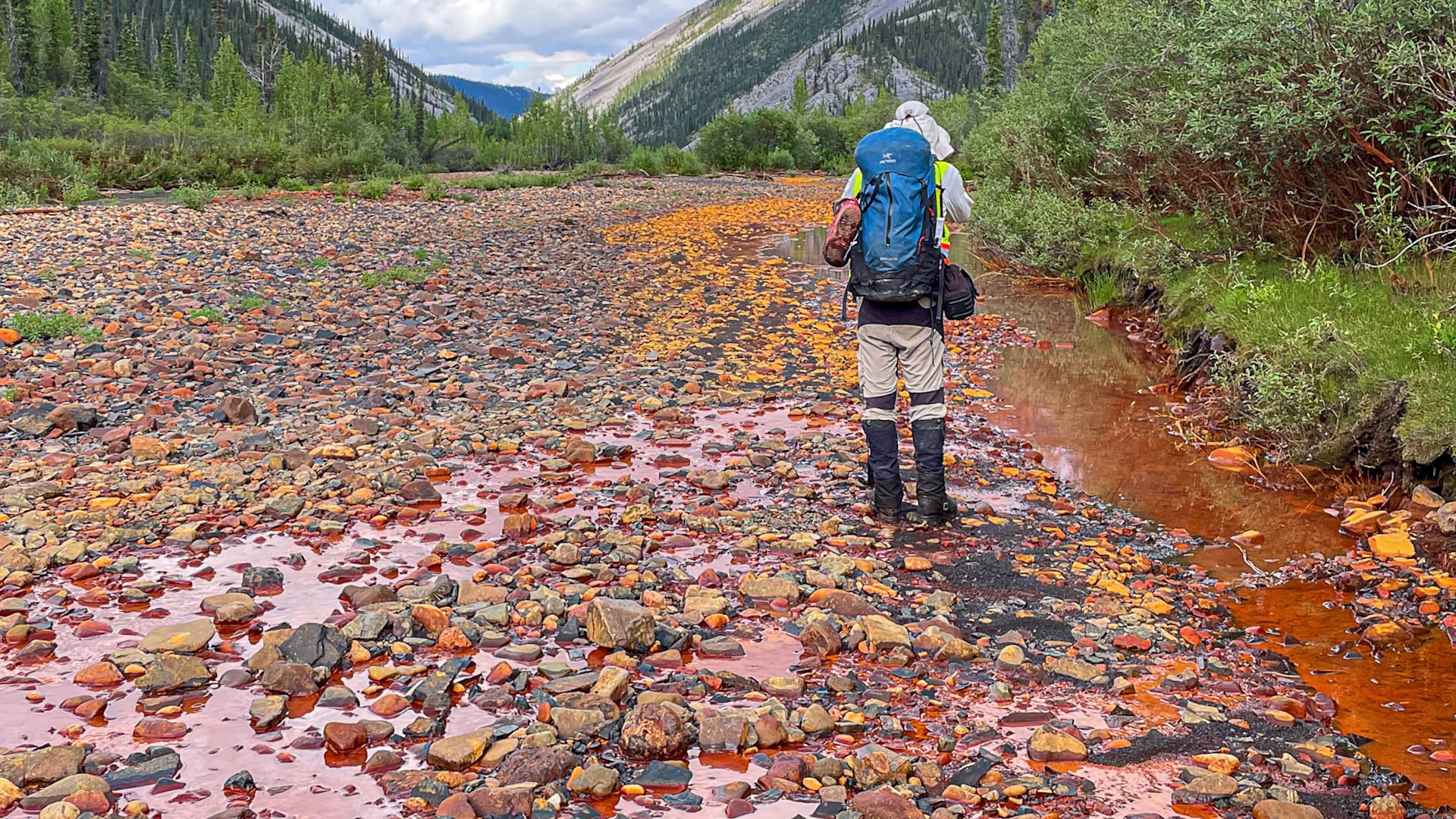
A troubling new study published in recent research shows that as permafrost thaws across Canada's north, ancient bedrock and soil are being exposed—and releasing toxic metals into rivers and streams.
Some once-pristine subarctic waterways now have contamination levels comparable to highly acidic mining sites. The metals—including iron, copper, and other heavy elements—leach into the water as the permafrost that had locked them away for millennia begins to melt. It's a climate change side effect that's hard to see until the damage is already done.
For northern communities that depend on these waterways for drinking water, fishing, and traditional food sources, the implications are serious. The contamination affects water quality, aquatic life, and ecosystem health. And the process is accelerating as temperatures rise.
The research underscores a cascading climate impact that gets less attention than polar bears or glacial retreat—but may ultimately affect more people. As the Arctic warms, seemingly stable geological systems are destabilizing in ways we're only beginning to understand. For Canada, it's a reminder that climate change isn't just about temperature; it's about chemistry, ecosystems, and the systems communities depend on.