What to Know About the Congo Ebola Outbreak
Cases and deaths rising in eastern DRC; health workers race to contain the spread.
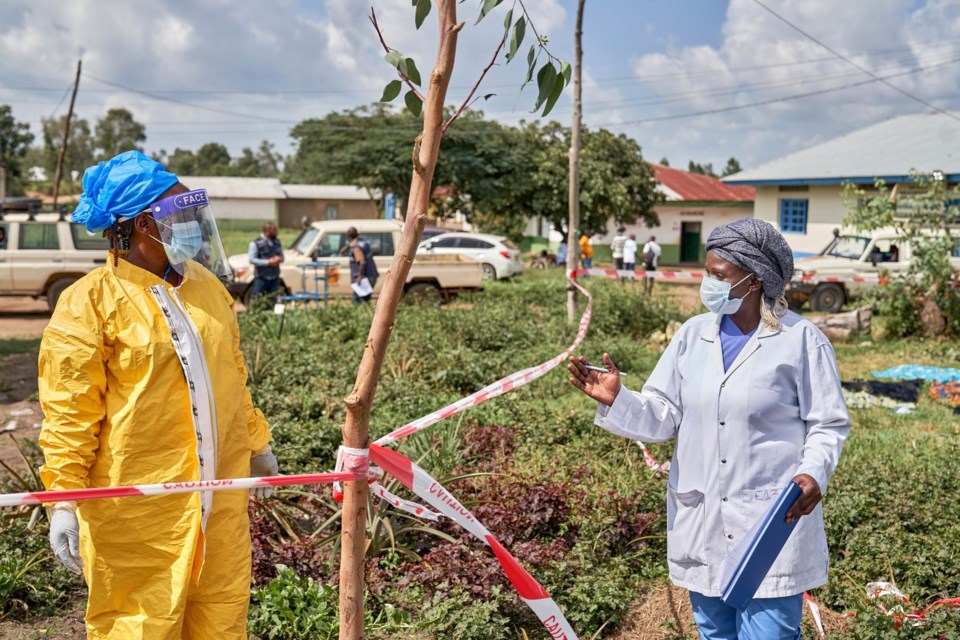
The Ebola outbreak in eastern Congo is accelerating, with cases and fatalities climbing as health workers struggle to contain transmission. The outbreak centers on the Bunia region, where dedicated treatment facilities are working to isolate patients and provide care.
Ebola is a rare but severe illness caused by contact with infected blood or body fluids. Symptoms include fever, muscle pain, weakness, and in severe cases, hemorrhaging and organ failure. Fatality rates have historically been high—30% to 90% depending on the virus strain—though modern medical interventions have improved survival odds when patients access treatment early.
The current outbreak is being monitored closely by international health organizations, including the WHO. Transmission typically happens through direct contact with infected individuals or contaminated materials, so health workers use strict protective protocols. For Canadians, the main concern is the travel advisory already issued by the federal government.
Outbreaks like this underscore why disease surveillance and rapid response matter globally. A contained outbreak thousands of miles away is far better than one that spreads internationally—and why public health funding and international cooperation remain critical, especially in regions with limited healthcare infrastructure.