Barry Blanchard on fatherhood, aging, and life after a near-fatal fall
The acclaimed alpinist's new memoir moves away from summit ambitions toward the people beside him—his daughters, his climbing partners, and his Métis heritage.
The day's top stories, food & events — every morning at 7. Unsubscribe anytime.
Barry Blanchard divides his life in quarters, as though he were a Canadian Football League game. The first two, and a bit of the third, are covered in his 2011 memoir The Calling: A Life Rocked by Mountains. Now the final chapters belong to The Echo: Stories from the Edge of Survival, released this year, where fatherhood, aging, and a life-altering accident reshape everything he thought climbing meant.
"I like to think of my life in terms of the Canadian Football League," Blanchard said from his Canmore home. "We get four quarters. The first and second and a bit of the third quarter of my life were covered in The Calling and now the final third and fourth quarter are covered in The Echo."
For decades, Blanchard's résumé read like mountaineering's highlight reel: first ascents on peaks no one had summited before, expeditions to Everest's Kangshung Face, the Rupal Face of Nanga Parbat in 1988 with three climbing partners who would become lifelong friends. The Calling earned him the Boardman-Tasker Prize for Mountain Literature, cementing his place in climbing literature. But the birth of his daughters, Rosemary and Eowyn, in the early 2000s, changed the trajectory.
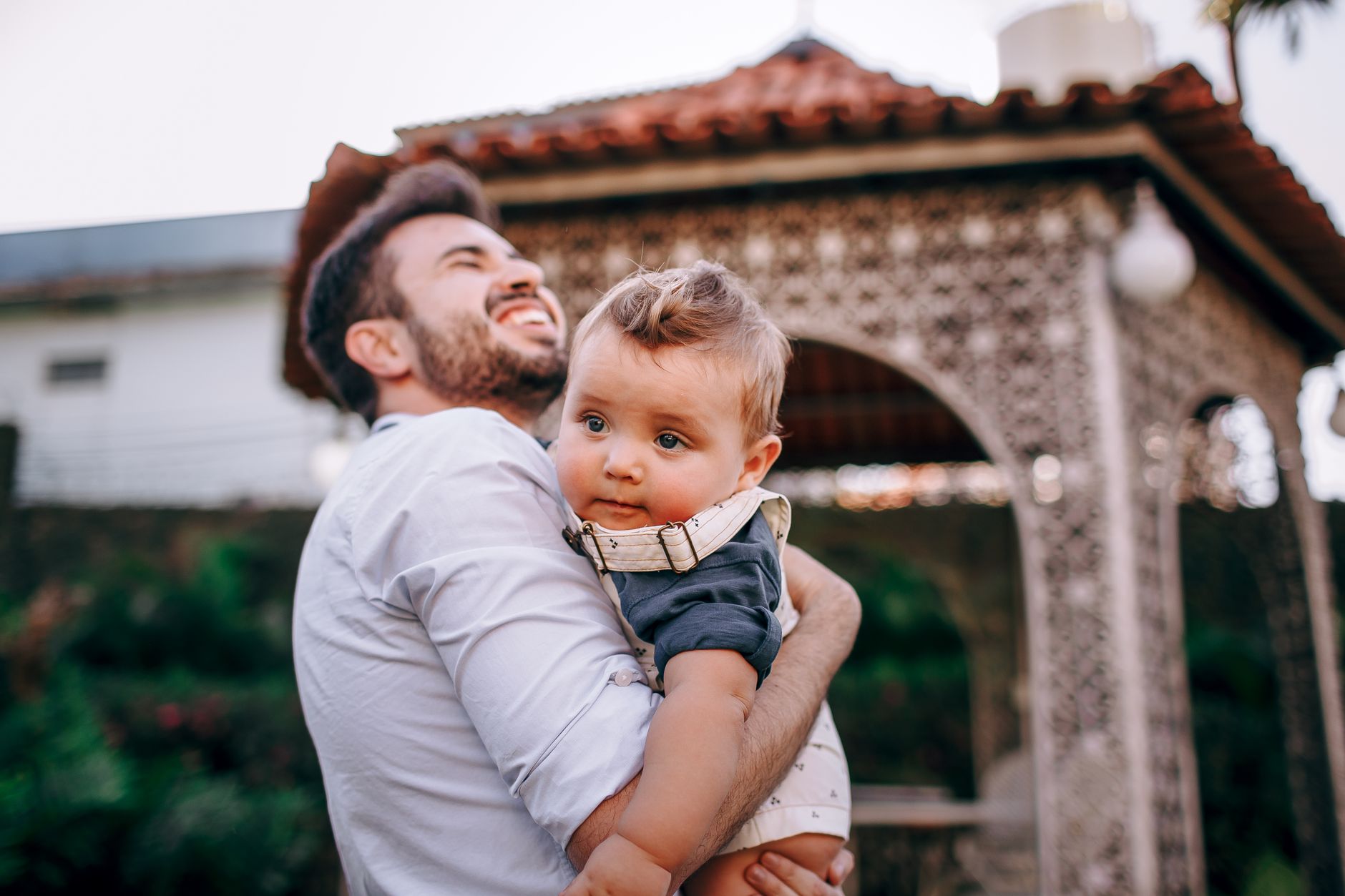
"The birth of my daughters changed my alpinism pretty massively, as did getting older," Blanchard said. "I just have so much responsibility as a father and I take that responsibility very, very seriously."
His climbing became different—more measured, more aware of the stakes. "You're making a decision about risk every time you move a foot or a hand on a mountain, especially if you're dealing with snow," he explained. "And every time I moved or made a decision about risk, I saw Rosemary's face."
In 2021, a fall down stairs left Blanchard with a traumatic brain injury. For the first time in his life, climbing was stripped away. What remained were the people. His three Nanga Parbat partners flew out to see him. Friends and family came to ensure he was alive, to talk to him, to touch him. "They all came to see if I was OK. They had to physically see me and talk to me and touch me," Blanchard said. "I love those guys and they love me and love both for my family, but also my climbing partners, that really does a lot of decision making about what I want to put in the book."
The Echo carries stories from across his career—Alaska's Infinite Spur on Mount Foraker, a first ascent on Howse Peak's M-16 route. But the summit is no longer the point. "Eight thousand-metre peaks are so far in the rear-view mirror, I can't even see them anymore," Blanchard said. "It's great if we make it to the summit, but really, it's every foot of the way up the mountain that you cherish. And some of the most important ascents to me, we didn't make it to the top, so the other part of that equation is who I was there with."
Woven through the book is Blanchard's growing pride in his Métis heritage—something he was reluctant to share in his youth. "When I was young, I was discriminated against, and I didn't share my Métis history," he said. "Through the end of The Calling and into The Echo, I'm just so immensely proud of being Métis and proud of my family history, as challenging and complicated as family..."
At this stage of life, the mountains mean something different. Age and injury have redrawn the map of what's possible. What remains is clarity about what always mattered most—the people beside him, and the journey itself.
The details
What accident changed Blanchard's perspective on climbing?
In 2021, a fall down stairs left Blanchard with a traumatic brain injury that stripped climbing away and brought into focus the importance of the people in his life.
How did becoming a father affect Blanchard's climbing?
The birth of his daughters Rosemary and Eowyn in the early 2000s changed his alpinism significantly, making him more measured and aware of risk, as he took his responsibility as a father very seriously.
