Alberta launches first grizzly bear count in eight years to guide recovery decisions
Foothills Research Institute leading pilot project in two bear management areas; full assessment could take several years.
The day's top stories, food & events — every morning at 7. Unsubscribe anytime.
Alberta has launched its first grizzly bear population count in eight years, a survey conservation experts say is well overdue given changes to provincial bear management policy.
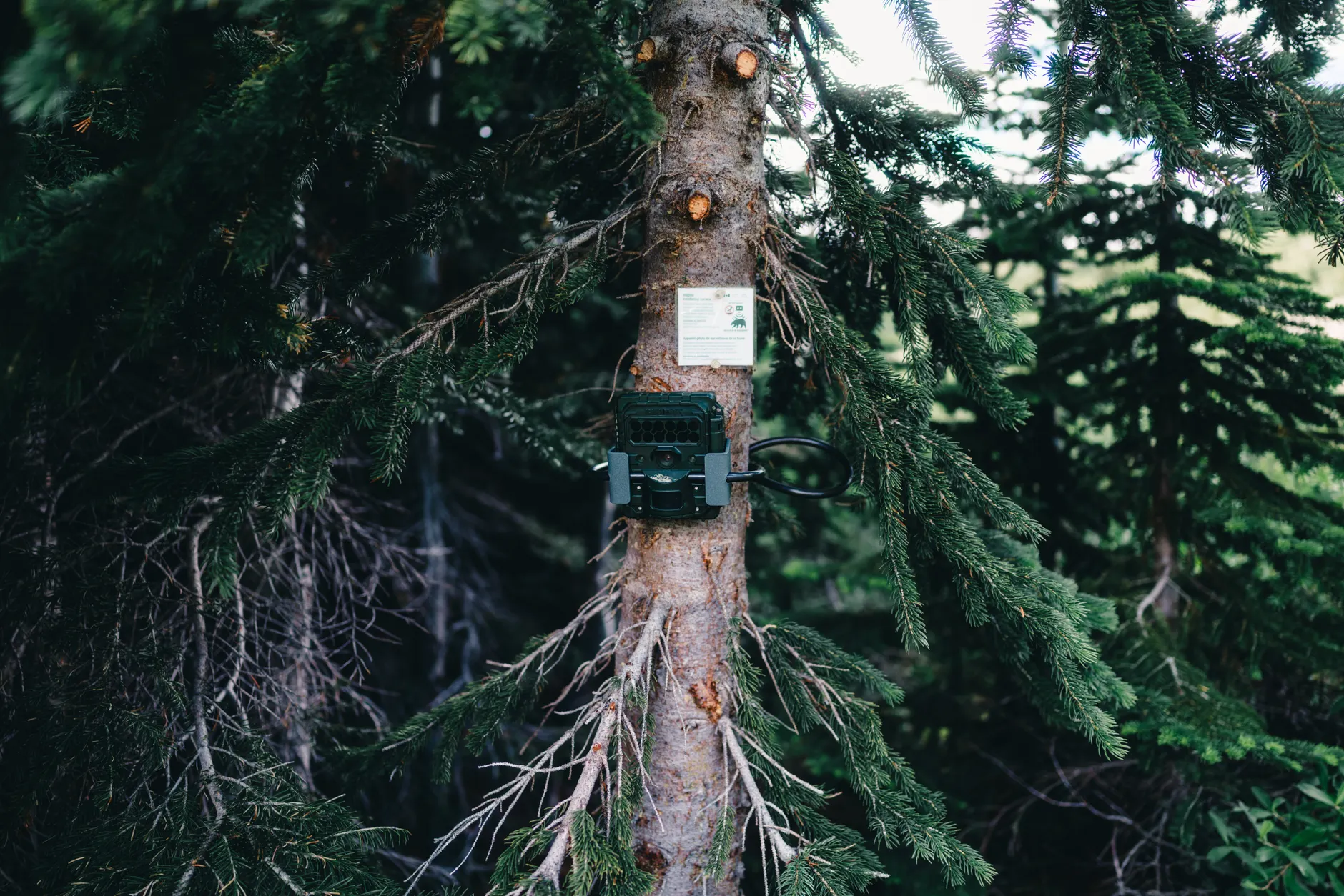
The pilot project, being carried out by Foothills Research Institute (fRI), is designed to provide data crucial to Alberta's recovery efforts for the threatened species. The province says the survey will continue through the end of the year and will provide valuable scientific information on grizzly bear populations, habitat use, and ecology to help guide future management and recovery decisions.
Work is being conducted in two of Alberta's seven bear management areas, with some activity occurring in the Rockies west of Edmonton. The results will be presented to the province's Endangered Species Conservation Committee and inform the next Grizzly Bear Recovery Plan.
Andrea Morehouse, who was last involved in tracking grizzly numbers 12 years ago in southwestern Alberta and holds a PhD in ecology from the University of Alberta, said the need for such a count is widely supported. "I don't think anyone's questioning it should be done but it's (been) a matter of resources," said Morehouse. "It's an intensive field effort and it involves multiple partners."
Alberta's own Grizzly Bear Recovery Plan calls for a count every five years. The plan states that "an abundance estimate is the best way of assessing population status and is necessary to assess mortality rate." The plan also notes that work is needed to determine thresholds for where Alberta grizzly populations will likely be stable or where decline is of concern.
Jay Honeyman, a former provincial officer whose specific task was reducing human-bear conflicts, said he is "encouraged" by the new count but expressed skepticism about conducting it in all seven bear management areas — a process he said would take several years. Honeyman also raised concerns about the province's broader commitment to grizzly sustainability, noting that no carnivore conflict biologist has been on duty since his retirement in 2022, despite the recovery plan calling for such a position in each management area.
Grizzlies are considered a threatened species in Alberta.
