Baby season at Calgary Wildlife Rehabilitation Society
Spring brings an 800 per cent surge in wildlife patients, many of them babies. Meet the animals and the people caring for them.
The day's top stories, food & events — every morning at 7. Unsubscribe anytime.
Every spring and summer, the Calgary Wildlife Rehabilitation Society sees an extraordinary shift in its workload. The phones ring more. The intake cages fill faster. The staff knows what's coming: an 800 per cent increase in incoming wildlife patients.
Right now, the facility is caring for more than 100 animals. Many of them are babies.
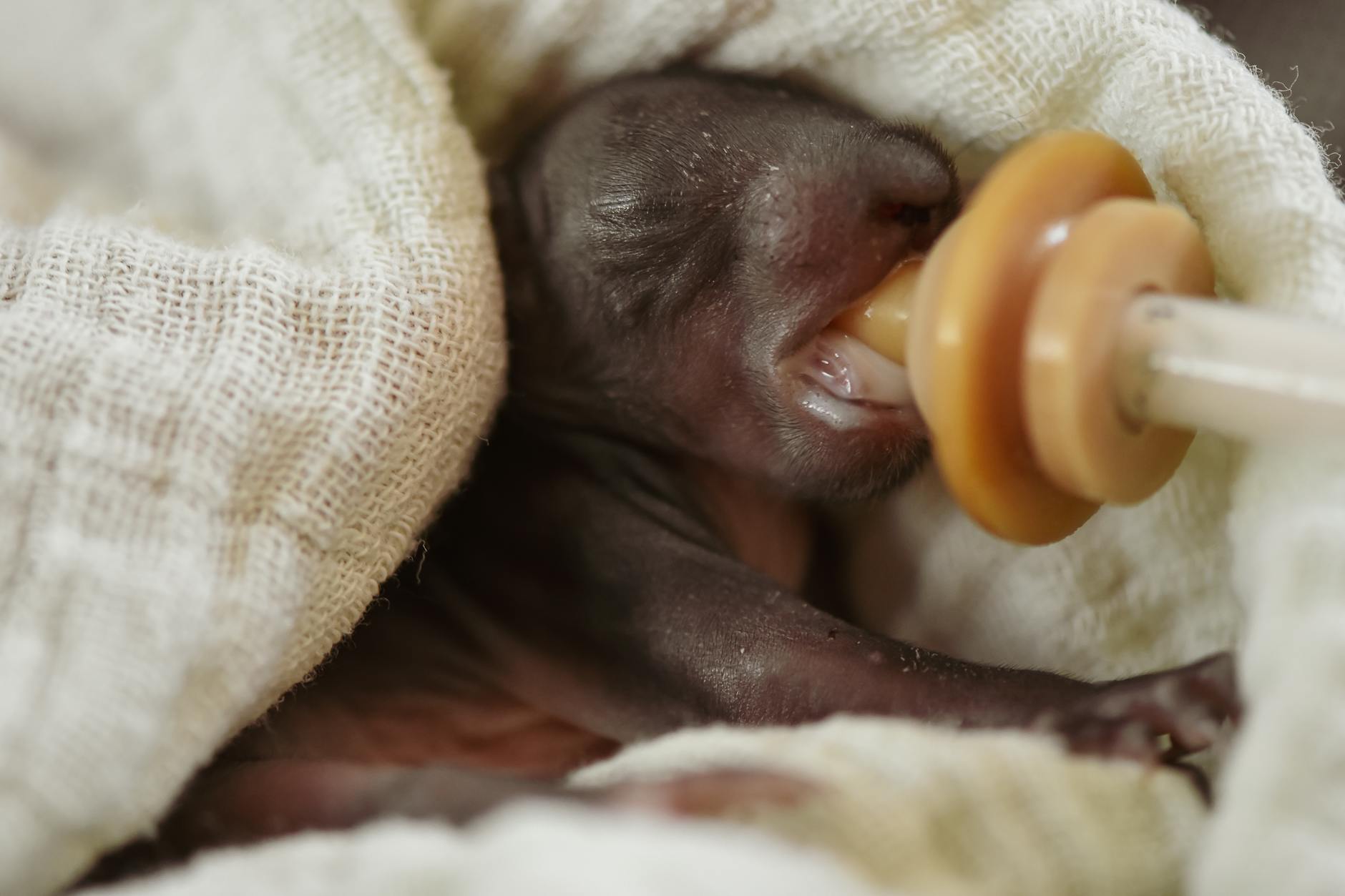
It's a seasonal pattern the organization has refined over decades. Orphaned fawns arrive from residential yards. Fallen nestlings need round-the-clock feeding. Foxes, coyotes, rabbits, and birds come in injured, malnourished, or separated from their mothers. Each one requires a different kind of care, a different diet, a different timeline to recovery.
One of the most remarkable residents is Casper, a foster-mom owl who has raised hundreds of rescued owlets as her own. She doesn't know they're not biologically hers. She just knows they need feeding, protection, and the kind of instinctual care that can't be replicated by human hands. Casper has become a lifeline — a surrogate parent for dozens of young owls every season.
For the humans working at the facility, the crush is relentless. Every baby animal that arrives represents a calculation: Do we have the resources? The staff? The specialized knowledge? Some animals need to be kept in darkness. Others need specific humidity. Some require feeding every two hours. The facility operates on donated funds and volunteer labour, which means each arrival is both a triumph — another animal saved — and a strain.
But the work continues. Feeders prepare formula. Handlers exercise young foxes to build the muscle memory they'll need for hunting. Veterinarians treat infections and fractures. By late summer, as each animal reaches independence, the releases begin. Deer bound back into the foothills. Birds take flight. Foxes disappear into the night.
It's exhausting, essential work. And every spring, it happens again.
The Calgary Wildlife Rehabilitation Society relies on donations and volunteer support. During baby season — now through August — the need is greatest.
