Forest tent caterpillars blanket Calgary trees in cyclical outbreak
Fuzzy larvae are stripping leaves across the city as populations spike. Healthy trees usually recover, but repeated defoliation can threaten weaker ones.
The day's top stories, food & events — every morning at 7. Unsubscribe anytime.
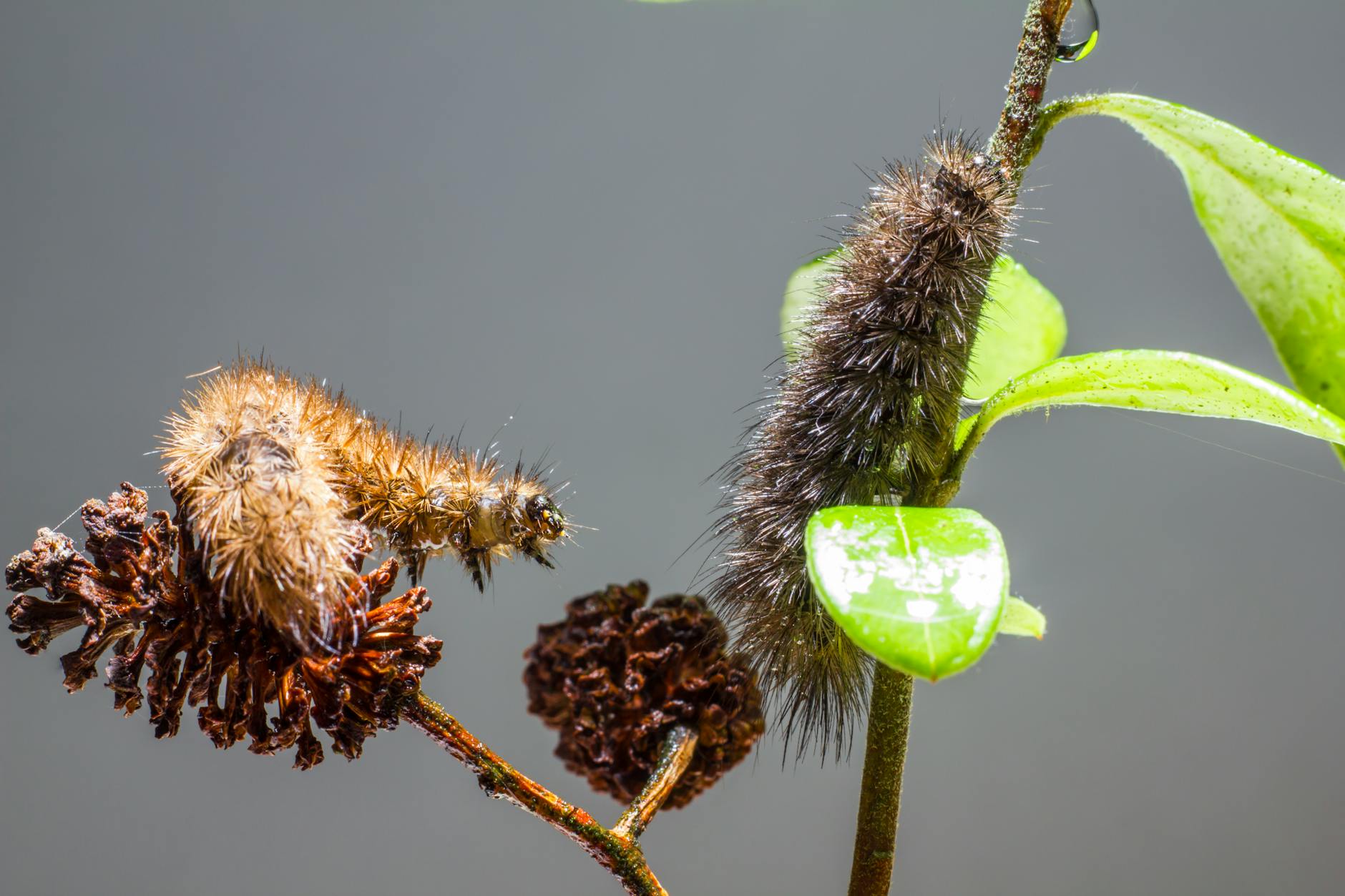
Samantha Tong in southeast Calgary's Mahogany neighbourhood thought she saw tree bark about to fall off — until she looked closer. The whole thing was fuzzy and moving. Forest tent caterpillars, hundreds of them, had completely covered the tree.
"Then, when we were walking around the playground, we noticed that there were like probably seven other trees that had them," Tong said. "They're there on a regular basis now, and I'm noticing more and more popping up on trees."
She's not alone. Red Deer, Olds, and Devon are also reporting spikes. Olds College entomologist Ken Fry says forest tent caterpillars are native to Alberta and common, but their numbers go through dramatic cycles.
"Roughly every 10 years, every decade or so, populations increase enormously," Fry said. The causes are still being studied but likely involve weather, tree health, predators, parasites, and disease.
The caterpillars are voracious. They eat all the leaves, and if buds haven't flushed yet, they'll chew those too. But here's the hopeful part: a healthy tree can usually bounce back from one season of defoliation. The real problem comes when the tree is already stressed — drought, compacted roots, disease — or when defoliation happens year after year.
"If it is drought-stressed, if the roots have been compacted through construction or activities around the root zone, if it's somewhat diseased from other reasons, then the tree won't be able to rebound as easily," Fry explained. Repeated damage over two or three years can cause twig death, branch death, and winter vulnerability.
If you find them on your tree, you have options. Manual removal (freezing or drowning them) works. A biological pesticide called BTK — bacillus thuringiensis kurstaki — destroys the caterpillar's digestive system without harming other insects. You can also remove egg clusters in fall to prevent spring hatching.
Kath Smyth of the Calgary Horticultural Society stressed the importance of action now: "If we're not vigilant to deal with them and eliminate them, we will end up with quite an infestation, because they'll overwinter, they'll overseason, and they'll come back twice as much."
On the bright side, caterpillars are a food source for predators and their droppings are excellent fertilizer. Fry sees the outbreak as a natural ecosystem check. "It is actually doing you a service," he said. A tree that's struggling to recover might be telling you it needs better care.
