Head-Smashed-In Buffalo Jump celebrates 50 years of Canada's World Heritage commitment
The southwest Alberta site hosted a Wednesday celebration marking half a century since Canada signed the UNESCO World Heritage Convention, which has protected 22 heritage sites across the country.
The day's top stories, food & events — every morning at 7. Unsubscribe anytime.
Head-Smashed-In Buffalo Jump, one of 22 Canadian heritage sites recognized by UNESCO, hosted a celebration Wednesday marking the 50th anniversary of Canada signing the World Heritage Convention—an international treaty protecting cultural and natural heritage places of outstanding universal value.
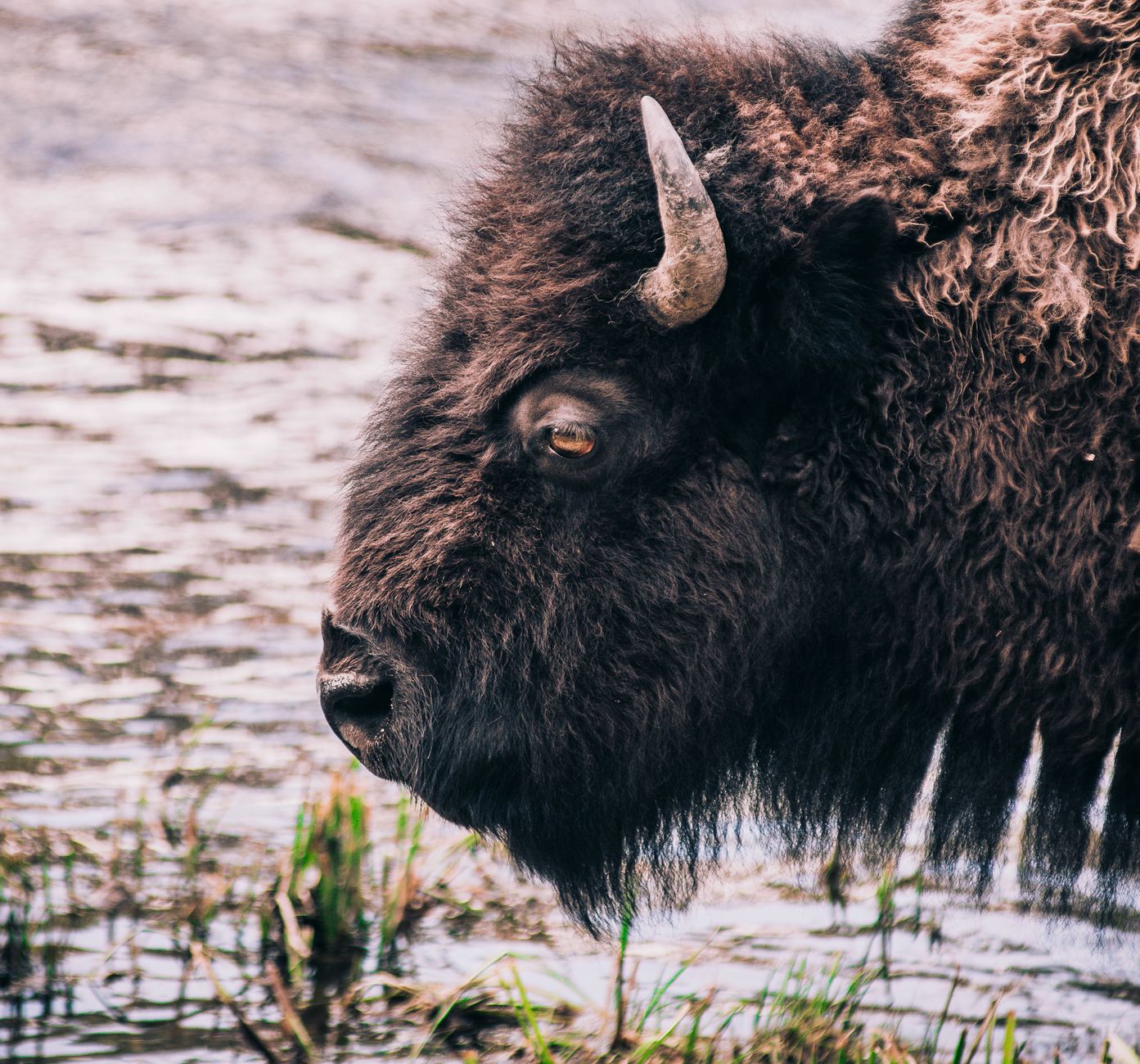
The southwest Alberta site, about a two-hour drive from Calgary, is "evidence of a custom practised by aboriginal peoples of the North American plains for nearly 6,000 years," according to UNESCO. Indigenous peoples used their knowledge of topography and buffalo behaviour to chase prey over a cliff, then carved up carcasses in camps below.
The National Trust for Canada hosted Wednesday's event as part of a national initiative. Quinton Crow Shoe, who does marketing for the site and is a member of the Piikani Nation (part of the Blackfoot Confederacy), emphasized the site's international draw. About 40 per cent of the 60,000 visitors who pass through the interpretive centre annually are international travellers, mostly from Europe but also from Asia, Australia, and New Zealand.
Attendance surged in January after the site was featured in an HBO Max medical drama episode. "When that came out, a lot of folks from Calgary, Lethbridge and the surrounding people, people skiing in the mountains, people coming through Highway 3, they made it a point to turn off here and check it out," said Crow Shoe.
The 1981 UNESCO designation, combined with National Historic Site status in 1968 and Provincial Heritage Site status in 1979, has protected the land as "a special place," Crow Shoe said. Local landowners have been supportive by not developing nearby land. The interpretive centre officially opened in July 1987 with the Duke and Duchess of York in attendance.
Crow Shoe said the site creates awareness and understanding of Indigenous worldview and culture both locally and internationally, helping break down stereotypes. National Trust for Canada CEO Patricia Kell noted that by signing the World Heritage Convention in 1976, Canada agreed to protect places of "outstanding universal significance" to the world. "There's an obligation there, and there's an opportunity," she said.
The facts
How many Canadian heritage sites are recognized by UNESCO?
22 Canadian heritage sites are recognized by UNESCO.
When did Canada sign the World Heritage Convention?
Canada signed the World Heritage Convention in 1976.
How many visitors does Head-Smashed-In Buffalo Jump get annually?
The interpretive centre at Head-Smashed-In Buffalo Jump receives approximately 60,000 visitors annually, about 40 per cent of whom are international travellers.
When did the interpretive centre at Head-Smashed-In Buffalo Jump open?
The interpretive centre officially opened in July 1987 with the Duke and Duchess of York in attendance.
