West Nile virus detected in Calgary mosquitoes earlier than usual
Researchers at the University of Calgary found the virus in mosquito traps beginning in late June, prompting warnings to protect against bites as populations remain elevated.
The day's top stories, food & events — every morning at 7. Unsubscribe anytime.
Researchers at the University of Calgary have detected West Nile virus in the city's mosquito population earlier than usual, raising concerns about increased transmission risk as the virus circulates among birds and insects.
John Soghigian, an associate professor in the faculty of veterinary medicine at the University of Calgary, said Calgary's first positive mosquito samples were collected at the end of June—"the earliest detection we've seen in Calgary in recent years." His team, which monitors mosquito traps at five locations in the city and one on the outskirts in partnership with the City of Calgary, has continued to detect the virus throughout July.
"We know that West Nile is widely found throughout the city, and it seems to be circulating at a higher rate this year than past years," Soghigian said. While it's possible earlier detection rates were simply missed in previous years, the pattern suggests an early warning sign that the virus is amplifying among bird populations, which could then infect additional mosquitoes that bite humans.
According to the Public Health Agency of Canada, up to 80 per cent of infected people have no symptoms. Mild symptoms include fever, headache, body aches, a mild rash, and swollen lymph glands, typically appearing between two and 15 days after infection. People over 50 and those with weakened immune systems face the greatest risk of severe illness. In rare cases, the virus can affect the brain and spinal cord, causing seizures, memory loss, brain damage, and even death.
Soghigian recommends using DEET as a repellent or exploring natural alternatives containing oil of lemon eucalyptus. Covering up with loose-fitting, long-sleeved and long-panted clothes—especially those treated with repellent—also helps. Removing standing water on properties is critical, as wet weather earlier this summer created ideal breeding conditions. Mosquito populations are currently higher than typical for this time of year.
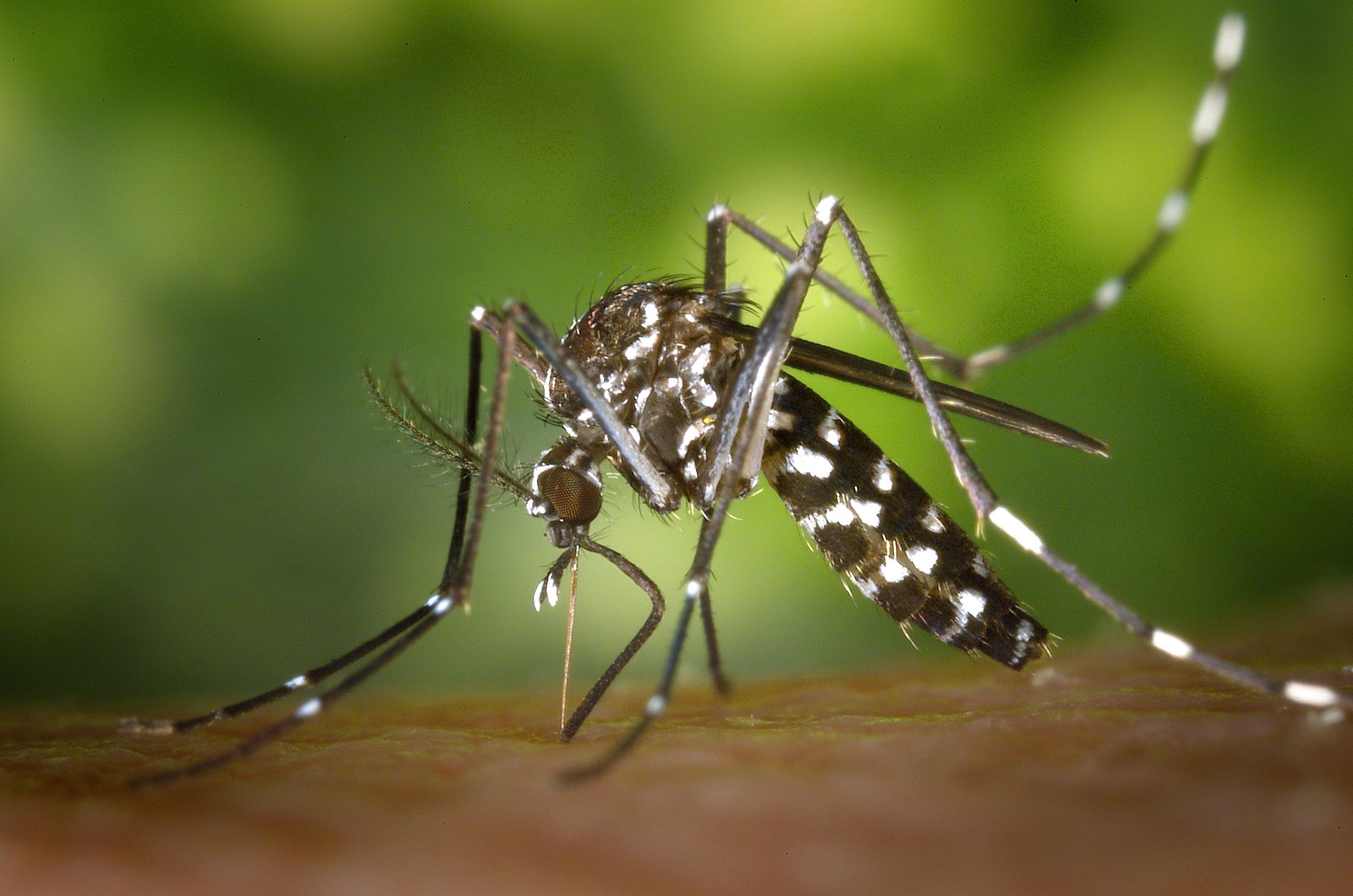
Wet weather and elevated temperatures have also fuelled populations of northern house mosquitoes, an invasive species particularly effective at spreading West Nile. These mosquitoes are most active at dusk and dawn. Primary Care Alberta confirms one travel-related case of West Nile virus has been reported in the province so far this year. Four cases were detected in Alberta last year.
The facts
When was West Nile virus first detected in Calgary mosquitoes this year?
Researchers at the University of Calgary detected the virus in mosquito samples at the end of June 2026, the earliest detection in recent years for the city.
How many West Nile cases have been reported in Alberta so far this year?
Primary Care Alberta has confirmed one travel-related case of West Nile virus in Alberta in 2026.
What are the main symptoms of West Nile virus?
Mild symptoms include fever, headache, body aches, a mild rash, and swollen lymph glands, typically appearing between two and 15 days after infection. However, the Public Health Agency of Canada notes that up to 80 per cent of infected people have no symptoms.
What does John Soghigian recommend to protect against West Nile?
The University of Calgary associate professor recommends using DEET or natural repellents containing oil of lemon eucalyptus, wearing loose-fitting long-sleeved and long-panted clothes treated with repellent, and removing standing water from properties.
