Why Calgary's noise rules sparked a national fight over festival fun
A summer of music festivals collided with stricter noise limits — and suddenly city council became the subject of a nationwide debate.
The day's top stories, food & events — every morning at 7. Unsubscribe anytime.
What started as tweaks to Calgary's noise exemption policy for summer festival events quickly became a national conversation about the "fun police" last week, after provincial and federal politicians waded into the debate and misinformation spread across social media.
The story began a year earlier, in early July 2024, when then-mayor Jyoti Gondek and officials from Penny Lane Entertainment announced a 10-year naming rights agreement between the City of Calgary and Cowboys Casino and Dance Hall. Under the contract, Millennium Park on the west end of downtown was rebranded Cowboys Park. One confirmed condition of the deal was that the Cowboys Music Festival would be hosted at the park, relocating the 10-day Stampede concert series from its original home in Victoria Park to accommodate construction of Scotia Place.
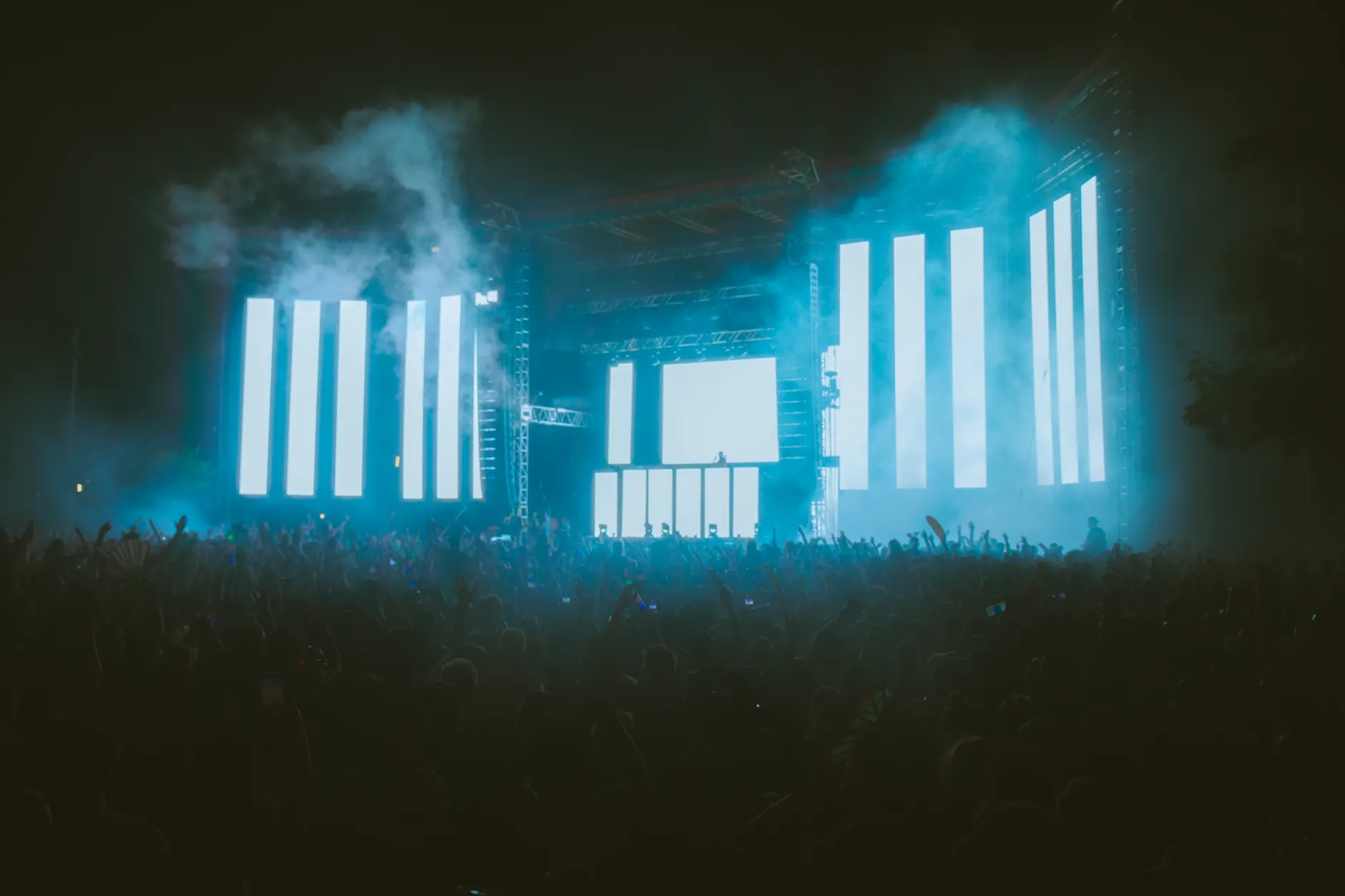
The Cowboys Music Festival arrived at its new home in 2025, attracting 100,000 attendees who came to watch headliners such as Macklemore, Kygo, and The Chainsmokers. But residents living in nearby downtown west-end high-rises complained of excessive noise that went well beyond midnight throughout the festival, as well as disorderly behaviour from concertgoers, including urination on private property and excessive public intoxication.
In total, the festival generated 126 noise complaints through 311. The city has not revealed how many of those were unique complaints. Skateboarders also criticized the temporary loss of two sections of the Cowboys Park skate park to accommodate the music festival. Skate park users drafted a petition that generated more than 4,600 electronic signatures urging festival organizers to reconsider their use of the space.
Ward 7 councillor Myke Atkinson, newly elected in October, hosted a town hall this March with downtown west-end residents and Penny Lane Entertainment officials in an attempt to ensure the second iteration of the Cowboys Music Festival avoided similar backlash this summer.
At a media availability he hosted in April, Atkinson told reporters the city had sent councillors a letter indicating that Penny Lane Entertainment had agreed to shorten the duration the skate park would be affected, from 45 days to 30 days. The letter also suggested this year's music festival would include enhanced security measures and adjustments to noise exemption hours, requiring concerts to end by midnight from Sunday to Thursday and by 1:30 a.m. on Friday and Saturday.
The amendments to the noise exemption policy also included reducing the maximum decibel limits by five, both for volume and bass, at the point of reception — where a complaint was generated. Atkinson argued the changes would work: "Administration and Penny Lane Entertainment continue to work closely to ensure this year's event meets all city bylaws (including noise restrictions and public disorder) and requirements from the Cowboys Park Naming and Sponsorship Agreement," stated the city's letter, co-signed by Penny Lane Entertainment president Paul Vickers.
But the story took an unexpected turn when Country Thunder, scheduled for the same weekend, announced its cancellation, citing the new noise limits as a barrier alongside other operational challenges. The announcement triggered a firestorm. Provincial and federal politicians criticized Calgary's approach. Social media erupted with claims that the city was killing summer fun.
Yet the facts on the ground told a different story. Just two days before Country Thunder blamed the noise rules for cancellation, the festival's organizers had said that the noise restrictions would not affect their event. Their own staff were quoted saying, "Our curfew for our festival has always been 11 p.m." A midnight music cutoff for a festival ending at 11 p.m. would have had no impact.
What started as a genuine civic problem — noise complaints from residents — had become a symbol in a larger cultural argument, amplified by politicians and social media, about whose voice gets heard in the city.
Ongoing coverage · Stampede Noise Complaints and Disputes
