Federal government scraps EV mandate for tailpipe standards as fuel prices remain high
New regulations may fall short of Canada's 75 per cent electric vehicle target by 2035, critics say.
The day's top stories, food & events — every morning at 7. Unsubscribe anytime.
Canada's new vehicle emissions standards may not deliver the electric vehicle adoption the federal government promised, leaving drivers vulnerable to volatile gas prices for years to come.
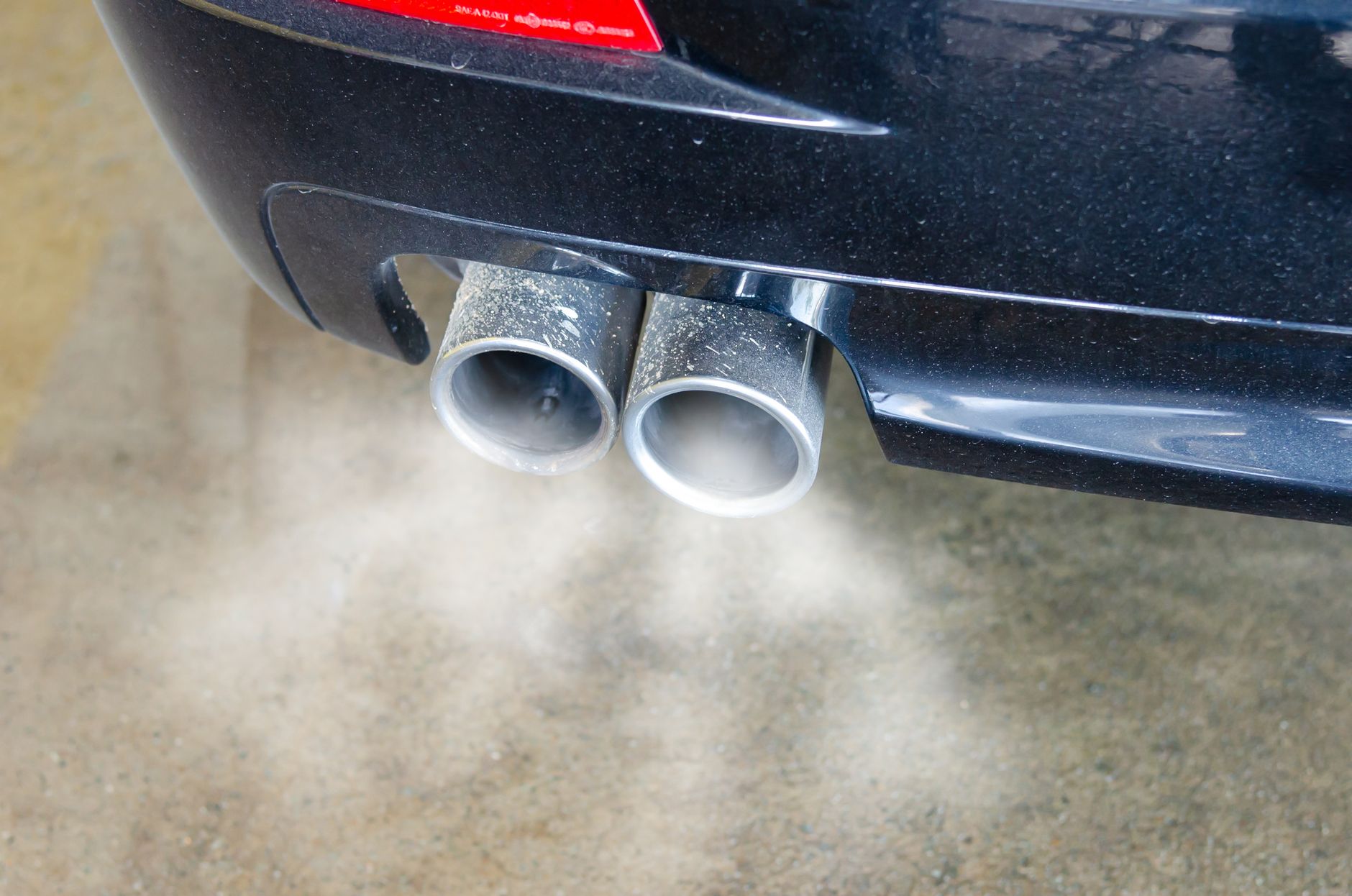
The government pitched the tailpipe regulations as a way to make fuel-efficient cars more accessible to Canadians while replacing the previous EV sales mandate. The rules set averages for tailpipe exhaust from new vehicles, allowing automakers to comply by producing more EVs or redesigning gas-powered cars to be more efficient.
Prime Minister Mark Carney set a target in February for 75 per cent of all new car sales to be electric by 2035. The new standards would reduce tailpipe emissions from "172 grams per mile of driving to about 74 grams per mile."
However, two independent analyses suggest this approach will fall short. The International Council on Clean Transportation found the standards would lead to a 62 to 68 per cent EV adoption rate in 2035. The Canadian clean energy think-tank Pembina Institute's analysis recommends the government adopt a standard of 40 grams per mile to meet the 75 per cent EV sales goal, finding that a standard of 74 grams per mile would result in less than 50 per cent battery-powered electric vehicle sales by 2035.
Proponents of stronger standards say a tougher approach would reduce carbon emissions, lead to cleaner air, and leave drivers less vulnerable to global oil price shocks. Automakers, however, have pushed back, citing concerns about compliance costs.
Environment and Climate Change Canada said it is "confident" that the 2035 target will be met, describing the standards as providing "a flexible approach for the auto industry, incentivizing innovation and emissions reductions while reflecting market realities which protect Canadian manufacturers and jobs."
