Iran and U.S. exchange fire in Gulf as ceasefire talks strain
Early Saturday, Iran fired ballistic missiles and drones toward Bahrain and Kuwait. The U.S. responded by striking Iranian surveillance sites, testing a fragile regional ceasefire.
The day's top stories, food & events — every morning at 7. Unsubscribe anytime.
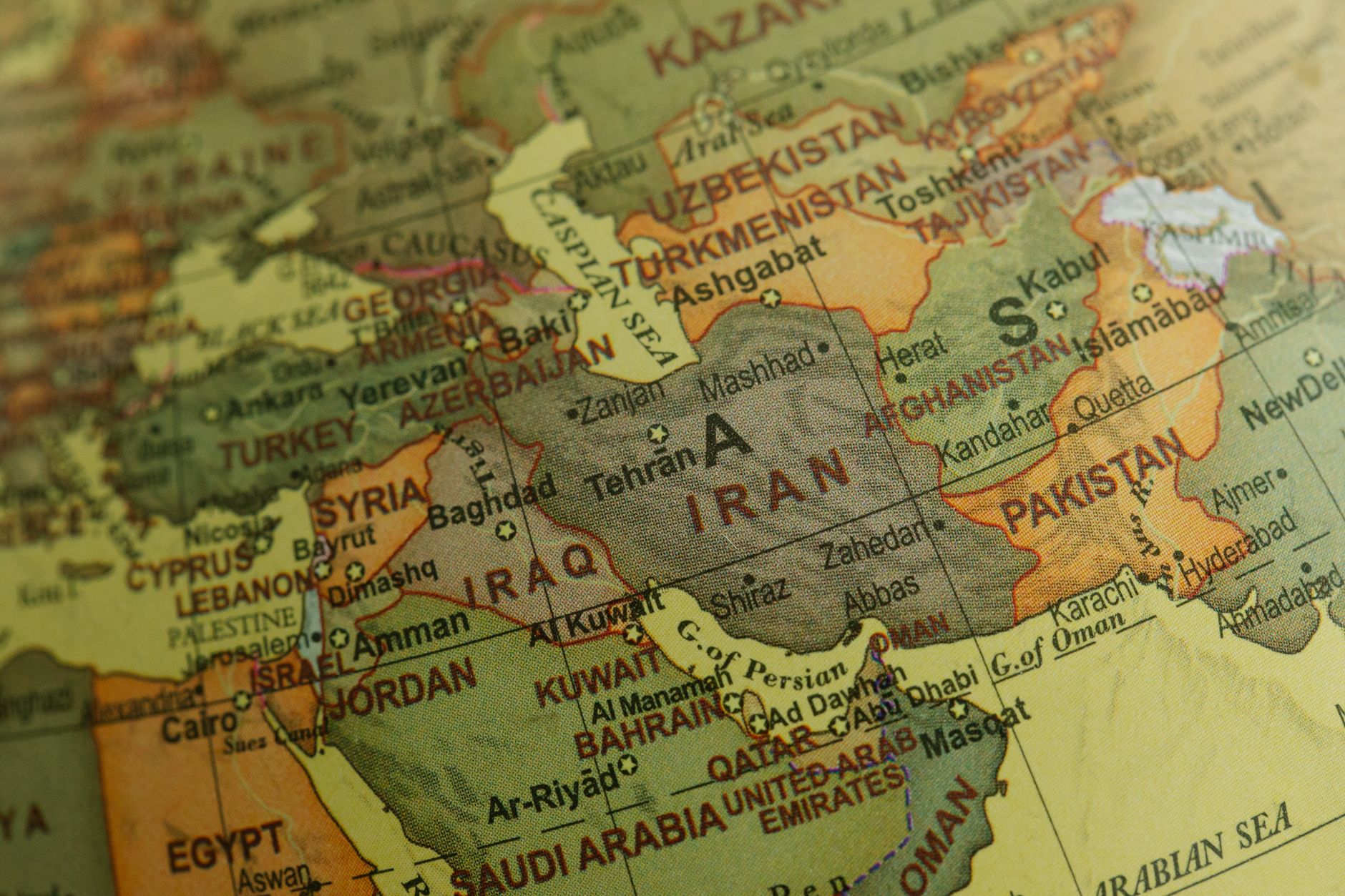
Iran fired ballistic missiles and drones toward Bahrain and Kuwait early Saturday, marking a significant escalation in regional tensions. Bahrain's government said the attacks were intercepted and called on Tehran to cease what it termed a "serious escalation."
Iran's foreign ministry said the U.S. attacked Iranian surveillance facilities on Qeshm Island and near Sirik used to protect borders and "ensure the security of navigation in international waters." Tehran called the American strike a violation of the fragile ceasefire.
The U.S. military said it shot down several Iranian missiles and drones launched toward the Strait of Hormuz and Gulf Arab allies, then struck Iranian coastal surveillance radar sites "to defend against further attacks." The U.S. Central Command confirmed there were no reports of harm to American personnel.
Iran's Revolutionary Guard said it targeted the Ali Al Salem air base, which hosts U.S. forces in Kuwait, and the U.S. Navy's 5th Fleet in Bahrain.
The exchange comes as the Trump administration presses Iran to make a deal ending the war that has strained the global economy and threatened hunger crises in vulnerable regions. Trump told reporters Friday that "the situation with Iran seems to be going quite well" and promised a quick resolution, though U.S. and Iranian negotiators remain far apart on key issues.
Earlier in the week, Iranian drones heavily damaged a passenger terminal at Kuwait's main airport, killing one person and wounding dozens. The U.S. military continues to blockade Iranian ports, a response to Tehran's chokehold on crucial shipping corridors for global oil and natural gas—moves that have sent energy prices spiking.
