Pentagon criticism mounts on Canada's defence spending
U.S. defence officials say Canada hasn't provided a credible plan for meeting new NATO commitments, citing delayed F-35 fighter jet procurement and lack of concrete defence capability details.
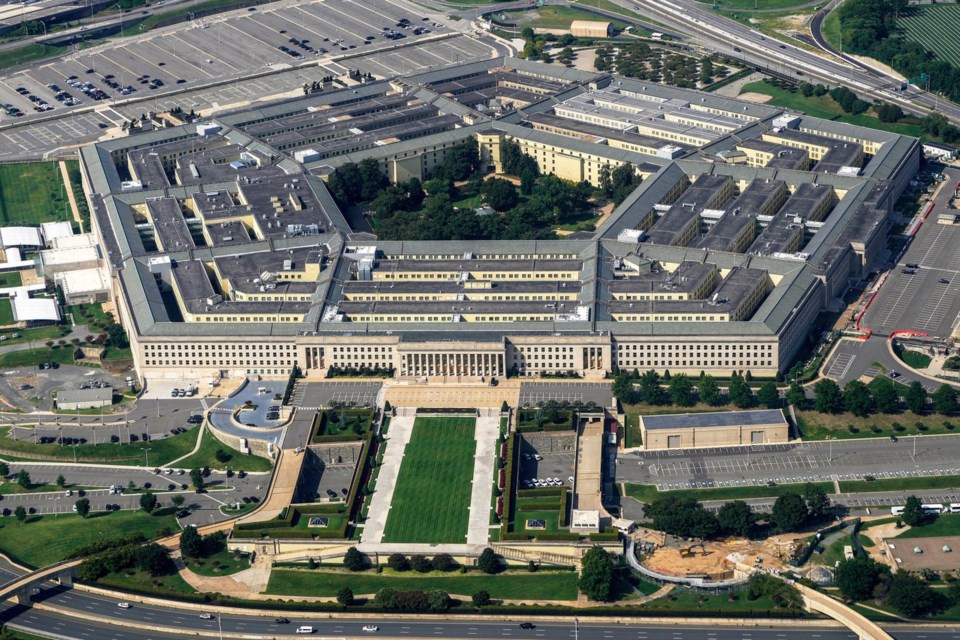
A high-ranking Pentagon official told Canadian journalists this week that the United States handed Ottawa a classified paper laying out priorities for a collective North American defence pact — but that Canada's response fell short of expectations.
The Trump administration is looking for more than alignment statements. It wants a credible, concrete plan showing how Canada will contribute meaningfully to shared continental defence under NATO's new spending targets and NORAD obligations. Canada's delayed decision on F-35 fighter jet procurement was also cited as a source of frustration.
Defence Minister David McGuinty's office did not respond to questions about the classified document or whether Ottawa had formally replied. In a statement, his communications director said Canada has made "historic investments in continental defence, Arctic security and military readiness," noting $63.4 billion spent on defence in 2025 — meeting NATO's two-per-cent-of-GDP target for the first time.
Yet Pentagon officials said that while Canada has a list of investments, it hasn't demonstrated how those investments address collective North American defence requirements. NATO members agreed last year to spend the equivalent of five per cent of GDP on defence by 2035 — a target that dwarfs previous commitments.
The Pentagon paused the Permanent Joint Board on Defense, a 1940s-era advisory forum for bilateral defence cooperation, to "reassess how this forum benefits shared North American defence." For Vancouver residents and Canadians broadly, the tension signals growing U.S. impatience with defence policy decisions that have dragged on for more than a year. The F-35 procurement choice, in particular, carries implications for Canada's continental role and interoperability with U.S. forces in an era of heightened North American security concerns.