West Coast pipeline gets federal priority status but faces carbon capture risks
Prime Minister Mark Carney added the $35.2–$43.7 billion project to Canada's priority list; a 2024 study found carbon-capture facilities underperform and pose seismic, contamination hazards.
Sources · Fraser Institute
The day's top stories, food & events — every morning at 7. Unsubscribe anytime.
The West Coast pipeline has been added to Canada's priority list of major projects, aimed at fast-tracking approval. Prime Minister Mark Carney and Alberta Premier Danielle Smith announced the move at a media briefing in Fort McMurray.
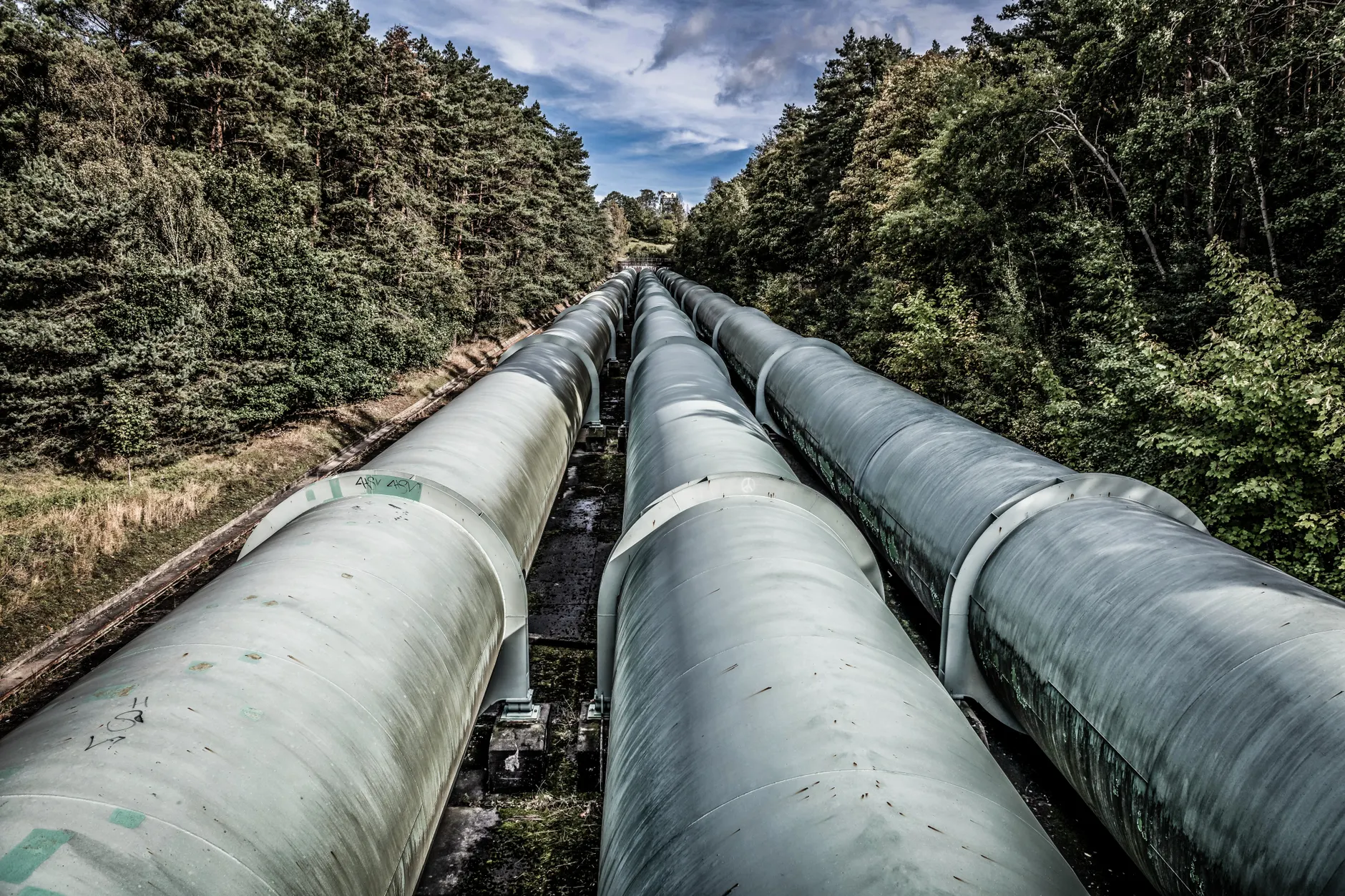
The pipeline would run from the Bruderheim area northeast of Edmonton to a deep-water terminal on British Columbia's southwest coast, following mainly existing Trans Mountain corridor. It is designed to carry one million barrels per day of heavy crude. Alberta government estimates place the combined cost of the pipeline and coastal loading facility at $35.2 billion to $43.7 billion.
The project includes a carbon-capture component called Pathways, which would capture carbon dioxide from oilsand production and processing, then transport the captured CO2 deep underground to storage sites in Cold Lake, Alberta. Yet a 2024 study examining 16 carbon-capture projects found significant gaps between claimed and actual performance. The most effective facilities captured only 78 per cent of their claimed capture amount. The average capture rate across the facilities examined was 47.6 per cent. The projects also cost significantly more than expected.
Large-scale carbon capture, utilization and storage poses multiple risks. The most prominent is stimulated increased seismic activity around injection and storage sites. A CO2 storage project in central Algeria recorded thousands of small seismic events that closely followed changes in injection rates. Spain's Hontomín pilot site experienced small seismic events during periods of higher injection pressure and longer injection tests. Other risks include ground and surface water contamination, soil contamination, and potential CO2 leakage at concentrations hazardous to animal or human health.
No timeline has been specified for pipeline approval or construction start. Neither the federal nor Alberta government has issued a statement responding to the carbon-capture risks outlined in recent research. Pathways project proponents have not yet addressed feasibility or safety measures.
What timeline does the Pathways project have for reaching its carbon-capture targets, and how will performance be monitored against the 47.6% baseline?
Has the federal government assessed earthquake and contamination risks for the specific Cold Lake storage site, and what mitigation measures are planned?
We'll update this story as answers emerge.
By the numbers
What is the estimated cost of the West Coast pipeline project?
Alberta government estimates place the combined cost of the pipeline and coastal loading facility at $35.2 billion to $43.7 billion.
What did a 2024 study find about carbon-capture facility performance?
A 2024 study examining 16 carbon-capture projects found that the most effective facilities captured only 78 per cent of their claimed capture amount, while the average capture rate across all facilities examined was 47.6 per cent.
What are the main risks associated with large-scale carbon capture and storage?
Risks include stimulated seismic activity around injection and storage sites, ground and surface water contamination, soil contamination, and potential CO2 leakage at concentrations hazardous to animal or human health.
