Toxic algae blooms across Alberta now tracked online via satellite imagery
Six lakes currently monitored; public can check real-time bloom status and history on new free website.
The day's top stories, food & events — every morning at 7. Unsubscribe anytime.
Update — August 20, 2026: Seven lakes near Edmonton are under blue-green algae advisories from Alberta Health Services, with cyanobacteria detected at Matchayaw (Devil's) Lake, Isle Lake, Lac Ste. Anne, Long Lake, Paddle River Reservoir, Lessard Lake, and Thunder Lake. Alberta Health Services advises against swimming, wading, or allowing pets to enter water where blooms are visible, and warns that boiling contaminated water will not remove toxins.
Albertans can now track toxic algal blooms at six lakes in real time through satellite imagery and water sampling, thanks to a new public website launched by University of Alberta researchers.
The Algal Bloom Tracker (algalbloomtracker.ca) updates regularly as satellites pass over Alberta lakes, giving people a clear view of where blooms are forming and which areas to avoid. Rolf Vinebrooke, an aquatic ecology professor leading the project, said the satellite approach catches blooms much faster than traditional ground sampling.
"A satellite image gives you a view of the entire lake so you exactly know what the nature of the bloom is like and what areas to avoid," Vinebrooke said. "A bloom can appear in a matter of days, and equally, it can disappear in the matter of days as well."
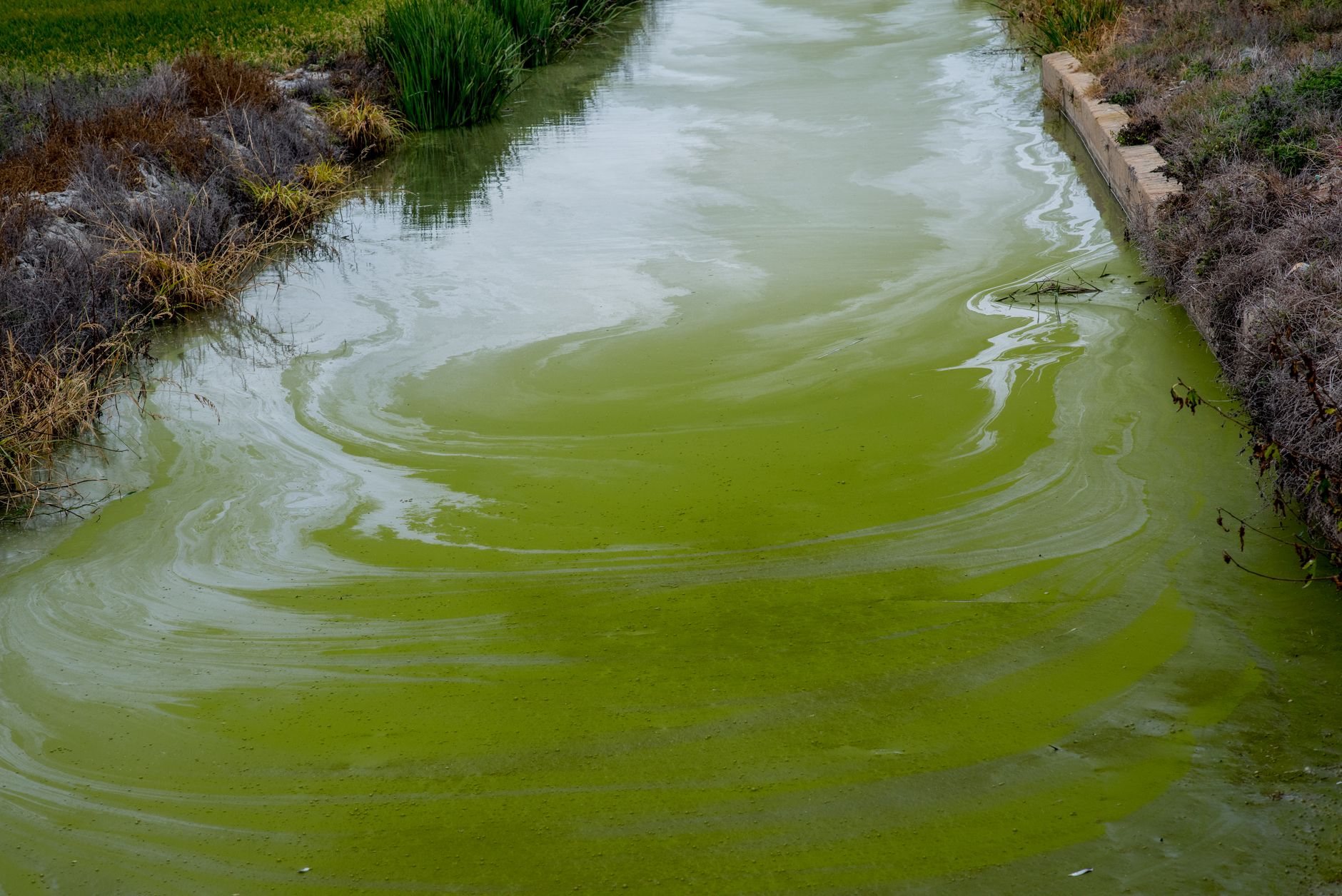
Cyanobacteria, often called blue-green algae, sometimes blooms in nutrient-rich Alberta lakes during summer. While visually distinctive as green scum, these blooms can produce toxins that damage liver tissue if ingested and cause neurological damage by interfering with nerve impulses. Alberta Health Services issues health advisories when excessive algae is detected, warning people to avoid contact with blooms, swimming or wading in affected areas, and drinking or cooking with affected water.
The tracker currently monitors Ethel Lake, Lac La Biche, Nakamun Lake, Pigeon Lake, Sylvan Lake and Wabamun Lake — all popular for recreation and chosen to represent a range of bloom frequencies. Sylvan Lake rarely gets blooms and serves as a clean baseline; Lac La Biche experiences frequent outbreaks.
Researchers plan to expand the tracker to about 50 lakes across Alberta within three years. An online webinar demonstrating the Algal Bloom Tracker is scheduled for August 27, 2026. More than 25 blue-green algae health advisories are currently in effect across Alberta.
The facts
What is the website address for the Algal Bloom Tracker?
The Algal Bloom Tracker can be accessed at algalbloomtracker.ca.
How many lakes will the tracker monitor in three years?
Researchers plan to expand the Algal Bloom Tracker to monitor approximately 50 lakes across Alberta within three years.
What health risks can toxic algal blooms cause?
Toxic algal blooms can produce toxins that damage liver tissue if ingested and cause neurological damage by interfering with nerve impulses.
