Council tightens rules on public amplification; noise limits in the works
A motion passed Monday to draft bylaw amendments restricting amplification in public spaces after complaints about religious messaging near City Centre.
The day's top stories, food & events — every morning at 7. Unsubscribe anytime.
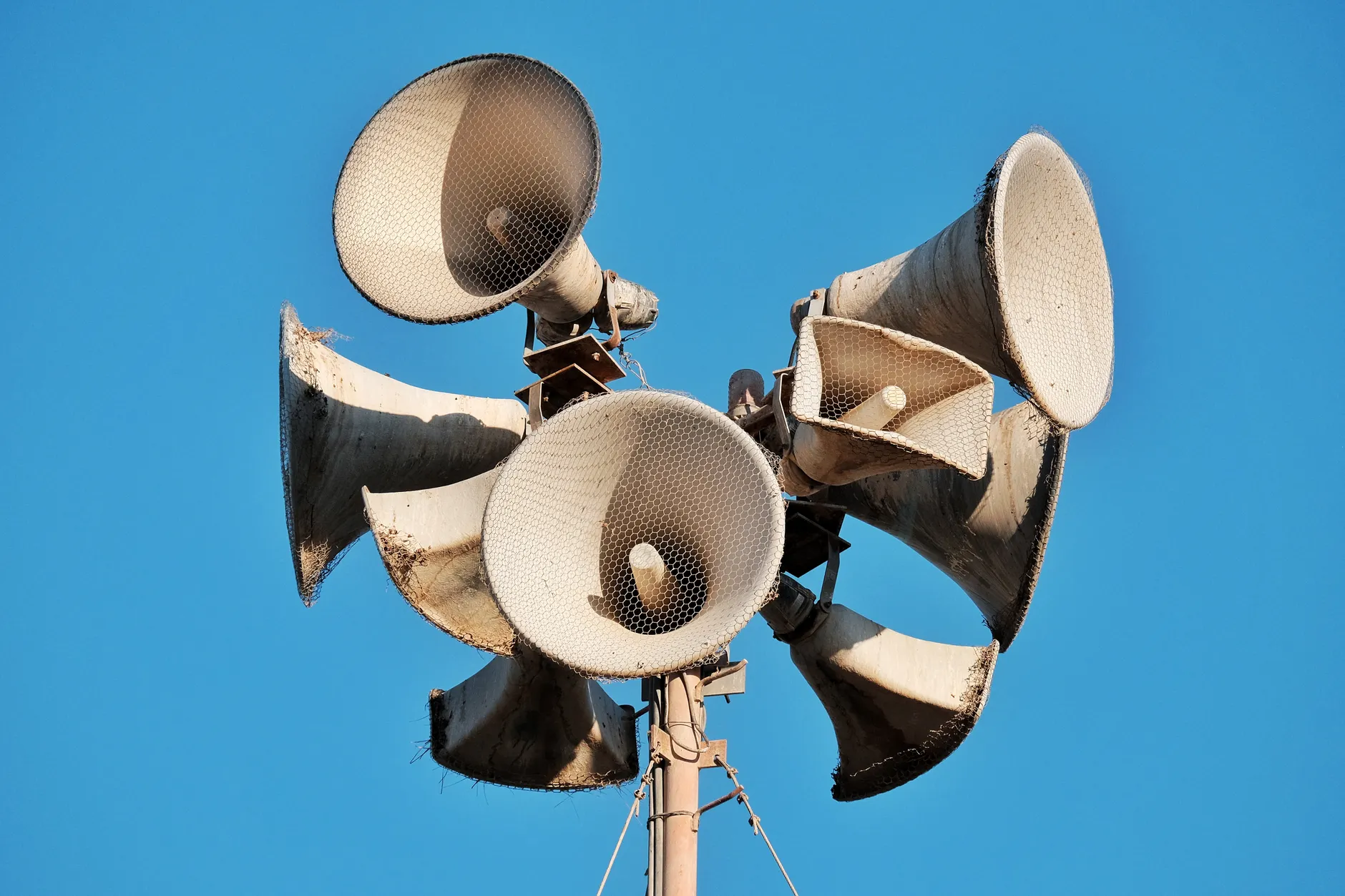
Edmonton city council is moving to restrict amplification in public spaces, targeting complaints about noise pollution from individuals using megaphones and amplifiers.
On Monday, June 29, the Community and Public Services Committee passed a motion from Councillor Erin Rutherford to draft amendments to the public spaces bylaw "to reduce unnecessary noise and interference of peace and enjoyment of public spaces arising from use of amplification." The proposed changes will be reviewed on September 25 and, if approved, presented to council for a public hearing.
Much of the concern stems from complaints by the downtown business community, particularly about an individual who regularly uses amplification near Churchill Square at lunch time to promote religious views.
City solicitor Michael Gunther noted that while the Canadian Charter of Rights and Freedoms guarantees free expression, municipalities may legally regulate amplification to prevent noise pollution. The sound threshold, he explained, is whether noise exceeds what the human voice can produce.
Administration had proposed tailoring noise limits based on distance from doorways, but the committee rejected that approach following an in-camera session. Other options under consideration include requiring permits for public amplification, setting conditions where amplification is permitted, defining disruptive noise within the bylaw itself, or designating specific "speakers' corners" where people can use amplifiers. Research has linked noise pollution to cardiovascular disease, cognitive impairment, and sleep disorders. Calgary, Vancouver, and Toronto already have rules regulating where and when amplification is allowed in public spaces.
