Edmonton council weighing rule changes for e-scooters and e-bikes amid safety concerns
City staff report e-scooter and e-bike trips nearly tripled to 1.4 million last year, with parking and riding behaviour remain top complaints from residents and people with accessibility needs.
The day's top stories, food & events — every morning at 7. Unsubscribe anytime.
City council is weighing permanent changes to Edmonton's shared micromobility program as e-scooter and e-bike use surges and safety concerns mount — particularly for people with mobility challenges.
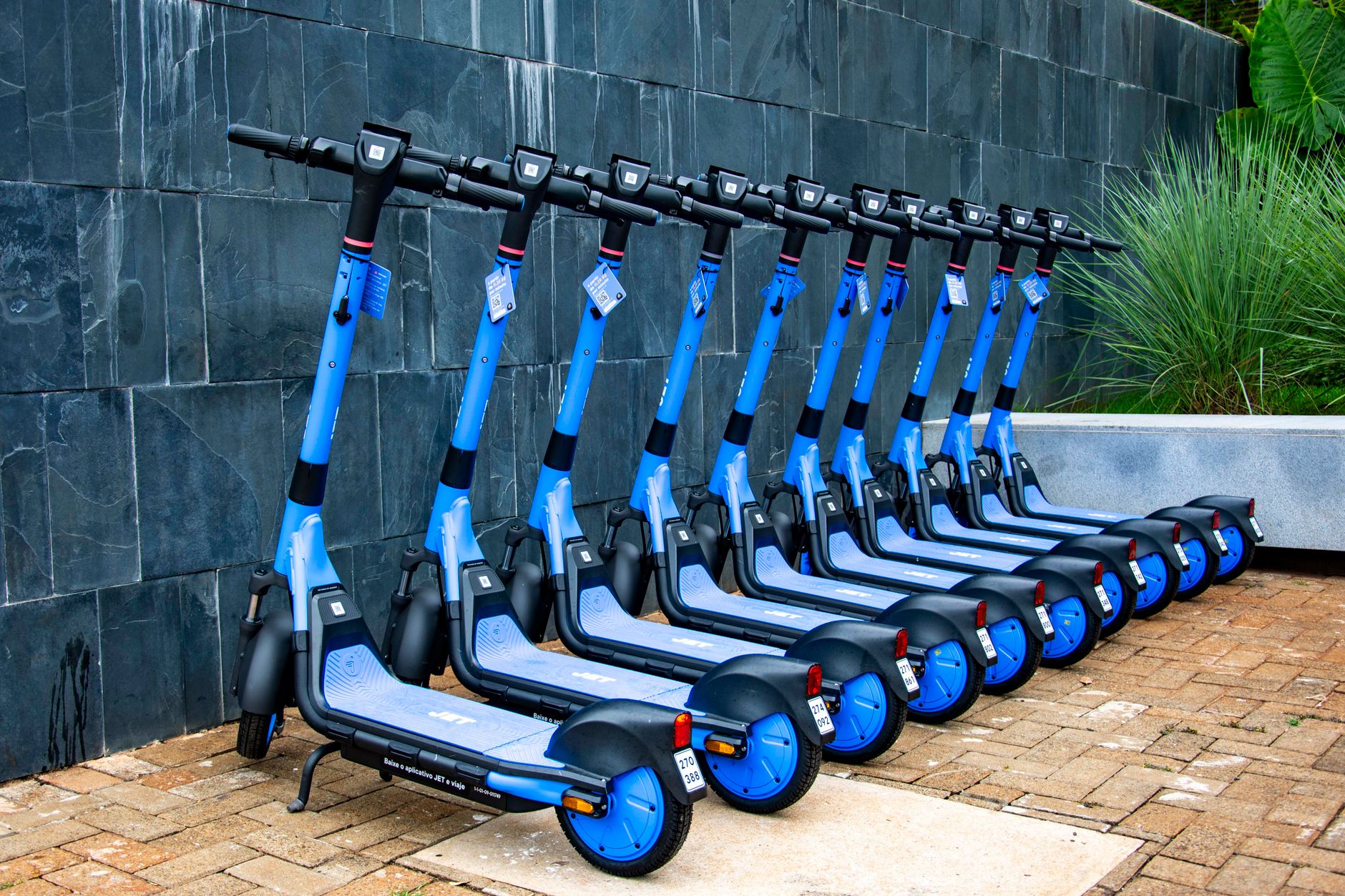
Councillors heard Tuesday that since the program launched in 2019, trips have nearly tripled to more than 1.4 million last year. Parking and ride behaviour remain the biggest concerns Edmontonians report, according to a new city staff report.
Wheelchair user Kyrie Herman and her daughter encounter blocked sidewalks regularly. "We've run into a lot of situations where they've been parked on the sidewalk, and then they tip over, or even if they're just like not tipped over, but parked the wrong way, then we can't get our wheelchairs around them," Herman said. She noted that not everyone has someone to help move devices or go around them.
The city is considering permanent changes to where e-scooters and e-bikes can go, where they can park and how fast they can travel. Staff say these tools give flexibility to respond to construction, festivals and emergencies without permanent infrastructure changes.
Vendors could potentially include penalties for improper parking and incentives for those who follow rules. The city is already testing designated parking zones, slow zones and no-riding zones — where devices automatically reduce speed or shut down — in an expansion project in Mill Woods. Those options were tested around Whyte Avenue and during the Edmonton Oilers' 2025 playoff run.
Ward Métis councillor Ashley Salvador said the goal is balancing all users. "We need to work to find ways that accommodate everyone, and that can be tricky in condensed zones and in condensed areas," Salvador said.
However, ward O-day'min councillor Anne Stevenson raised concerns about over-restriction. "If you have to be parking two blocks away, I think that starts to take away from the benefit," she said. "So that's important to me and figuring out how we implement that, so that it's practical but also helps address the clutter."
No permanent changes were decided at Tuesday's committee meeting. HighOnCity reported in June on rising e-bike safety concerns and in July on a 47 per cent surge in e-scooter injuries.
What is the specific timeline for council to vote on permanent rule changes?
How much revenue do vendors currently generate from Edmonton's program, and how would new restrictions affect their business?
We'll update this story as answers emerge.
The facts
What are the main complaints from Edmonton residents about e-scooters and e-bikes?
Parking and riding behaviour are the biggest concerns Edmontonians report, according to a city staff report. Wheelchair users like Kyrie Herman specifically cite devices blocking sidewalks and being parked in ways that prevent accessibility.
Where is Edmonton testing new e-scooter and e-bike rules?
Edmonton is testing designated parking zones, slow zones, and no-riding zones in an expansion project in Mill Woods. Similar options were previously tested around Whyte Avenue and during the Edmonton Oilers' 2025 playoff run.
