Edmonton's Bridges Face Historic Crossroads
Iconic High Level and Low Level Bridges need full replacement, not repair—triggering a $1.3B decision that will reshape the city's infrastructure for generations.
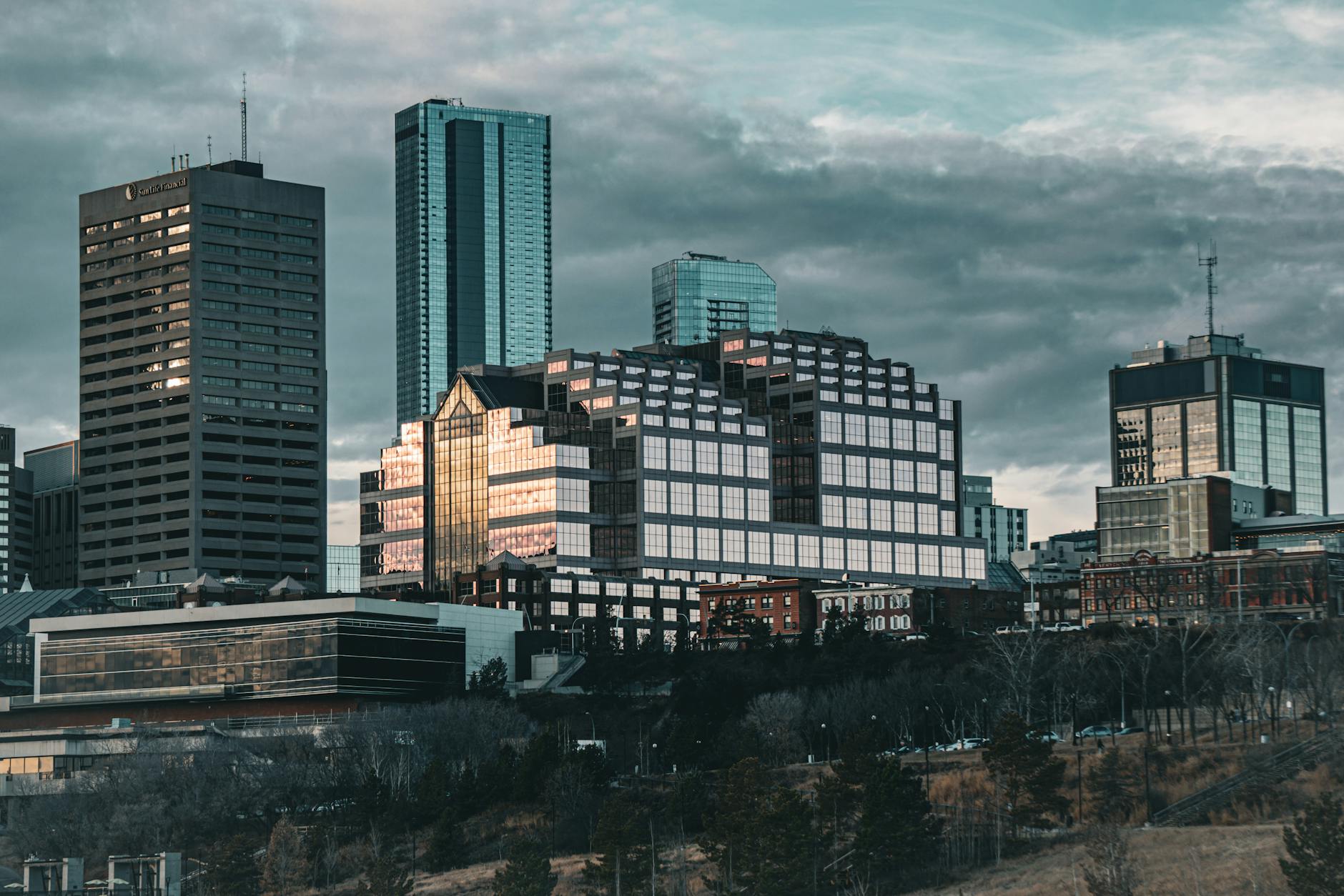
Edmonton's most recognizable landmarks are dying, and the city has to decide whether to resurrect them or let them fade into memory.
After detailed structural analysis, city administration announced this week that the 113-year-old High Level Bridge and the 126-year-old Low Level Bridge have reached the end of their functional lives. Refurbishment—the city's previous approach—is no longer viable. The High Level alone would cost nearly $400 million to rehabilitate, and that expense would repeat every 20 to 25 years. Over 75 years of operation, keeping the bridge alive could cost upward of $1 billion.
Full replacement is the inevitable path forward. The city's current plan calls for "functional" bridges—modern, straightforward designs built in roughly the same locations, with wider lanes and updated engineering to handle contemporary traffic. Two new bridges, both fully replaced, would cost an estimated $1.3 billion combined.
But here's where it gets interesting. Deputy Infrastructure Manager Sara Nichols framed this as "generational infrastructure," and city columnist Keith Gerein is pushing council to think bigger than functional replacements. Why rebuild in the same spots with the same basic shape when you could start from scratch? Why not ask: "If Edmonton could design ideal river crossings today, where would they go and what would they look like?"
A signature bridge—something as iconic as the Walterdale—would cost more. But it would be a rare chance to create a landmark that defines the city for the next century, the way the High Level defined Edmonton in 1913. There's also potential leverage with provincial and federal governments, especially if a high-speed rail line between Calgary and Edmonton ever materializes. Private financing or toll structures could help bridge the funding gap.
For now, basic refurbishments are planned for 2027 and 2028 to keep traffic flowing while replacements are designed and built. The actual new bridges won't appear for 10 to 15 years—meaning the final decisions will fall to future councils.
This is Edmonton's infrastructure moment. How the city acts now will echo through the next 100 years.