Smith says U.S. trade demands were 'too painful' for Canada to accept
Alberta's Premier expressed caution about retaliatory tariffs as trade talks with the U.S. collapsed Friday, triggering 50% tariffs on Canadian goods.
The day's top stories, food & events — every morning at 7. Unsubscribe anytime.
Update — August 24, 2026: Premier Danielle Smith said Alberta will not use its energy exports as leverage in the trade dispute, arguing that cutting off energy to the U.S. would harm Canadians and that a strong energy sector is needed to provide government revenue to support other affected sectors.
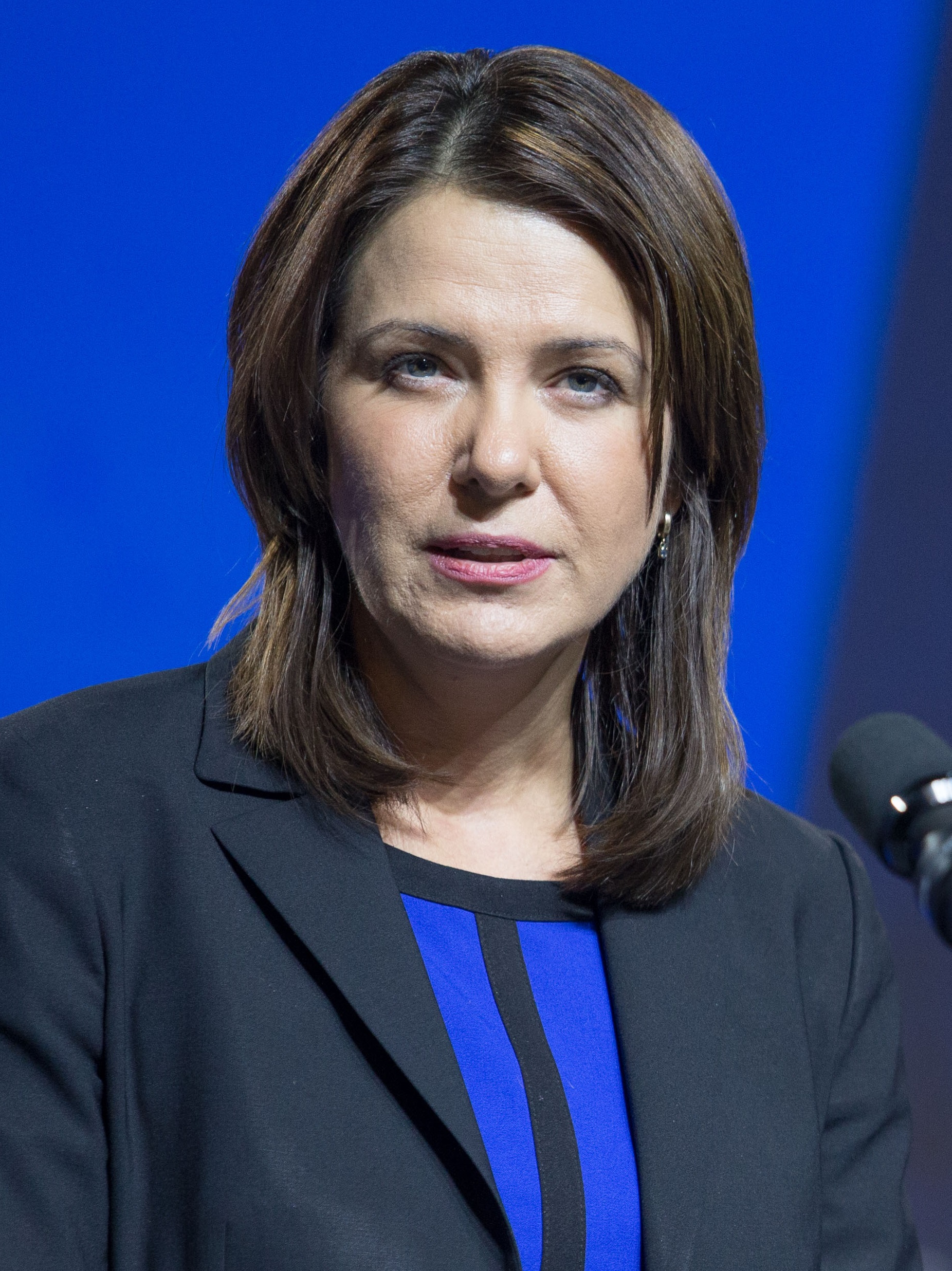
Premier Danielle Smith acknowledged that U.S. trade demands presented to Canadian negotiators would have been "too painful" for Canada to accept, while urging caution around retaliatory tariffs as trade tensions escalate between the countries.
Trade talks between Canada and the U.S. collapsed late Friday, triggering 50% U.S. tariffs across a range of Canadian goods. Prime Minister Mark Carney announced Canada will impose dollar-for-dollar retaliatory tariffs beginning September 8. Smith made her comments Saturday morning on her radio show, reflecting a more measured stance than some federal and provincial figures.
"There were just a couple of key demands from the United States that made it really untenable for us to sign off," Smith said. "It would have been too painful." She noted Canadian negotiators were right to reject the terms.
However, Smith expressed concern about retaliation. "With the retaliatory tariffs, I know emotionally it feels good to retaliate," she said. "I get that, but let's remember what happens when we retaliate. When retaliation happens, it means that everybody who is buying products from the United States are now going to face upwards of 50 per cent tariffs." She was particularly worried about agricultural equipment sourced from the U.S., noting that higher tariffs would burden Alberta farmers.
Smith did praise Carney's decision to wait several weeks before retaliating, viewing it as an opening for further negotiation. "I think that's the prime minister saying, 'Come on, guys, let's see if we can figure this out over the next two weeks,'" she said.
Smith said Alberta is less trade-exposed than other provinces. About $1.5 billion of the province's $188 billion in U.S. exports will be directly impacted by the tariffs, particularly furniture and honey. "It will be very, very painful for those who are in those target industries. Sadly, a lot of those are going to be small and medium businesses," she said.
Smith attributed Alberta's relatively lighter tariff exposure to its diplomatic relationship with the U.S., noting the province has not joined other provinces' boycott on American alcohol. "Ninety-seven per cent of our products go across the border tariff-free," she said. "We have not done nasty ads in the United States. We have not called names on the president at podiums to be able to get cheers and laughter."
What specific U.S. demands on auto tariffs and Canadian sovereignty did negotiators reject?
Which $1.5 billion in Alberta products will face direct tariffs, and how many jobs are at risk?
Will Alberta's lighter tariff load hold, or will the U.S. escalate demands on the province?
We'll update this story as answers emerge.
The facts
When do Canada's retaliatory tariffs take effect?
Canada will impose dollar-for-dollar retaliatory tariffs beginning September 8, 2026, as announced by Prime Minister Mark Carney.
How much of Alberta's U.S. exports will be directly impacted by the tariffs?
About $1.5 billion of Alberta's $188 billion in U.S. exports will be directly impacted by the tariffs, with furniture and honey particularly affected.
Why did Premier Smith say Canada rejected the U.S. trade demands?
Premier Danielle Smith said the U.S. demands presented to Canadian negotiators would have been 'too painful' for Canada to accept.
