Treaty 6 First Nations battle Alberta referendum over separation threat to treaty rights
Justice Shaina Leonard quashed the separatist petition approval, but the province is appealing. First Nations say independence puts their federal protections at risk.
The day's top stories, food & events — every morning at 7. Unsubscribe anytime.
Treaty 6 First Nations are mobilizing to block Alberta's separation referendum, warning that independence would sever their treaty rights and the federal funding that underpins their health, education, and land-use protections.
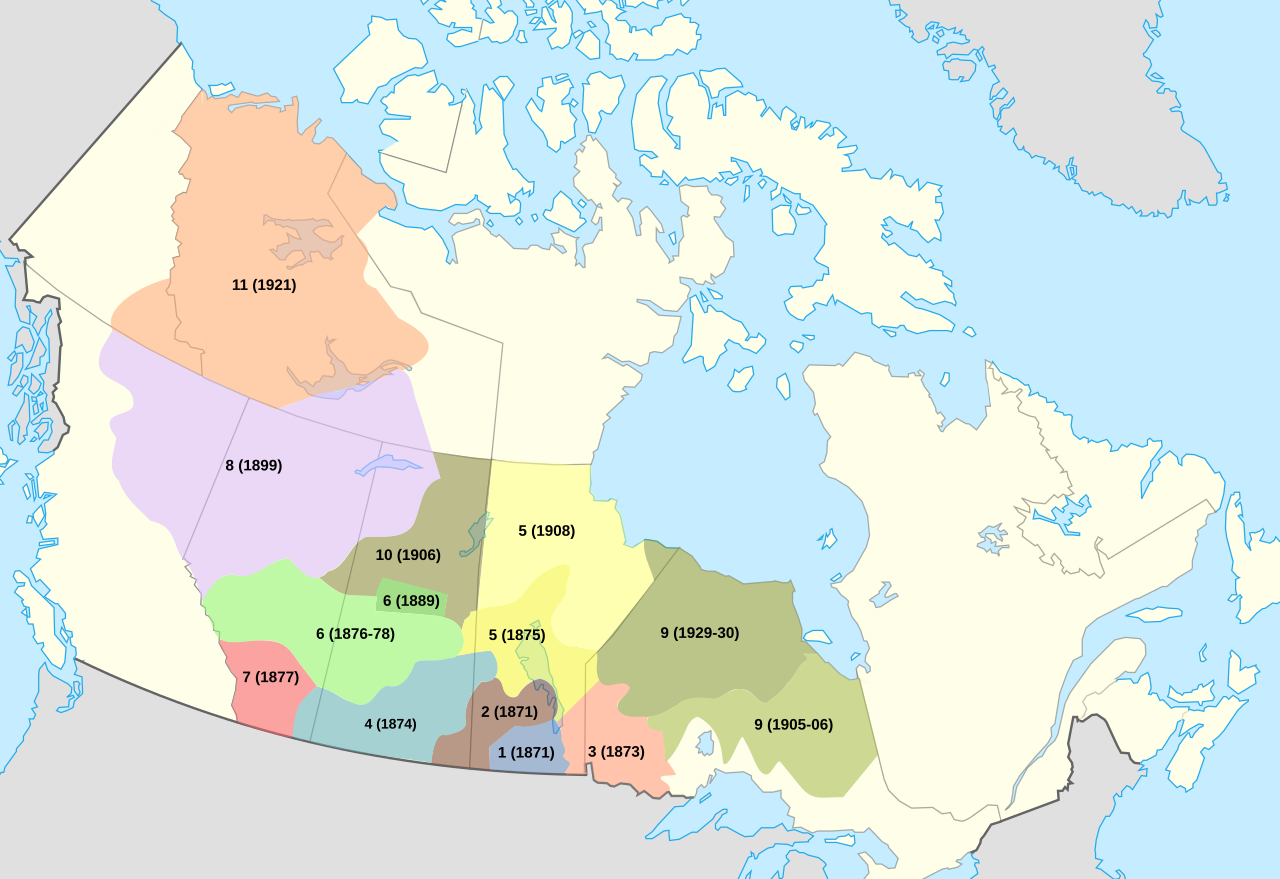
The Confederacy of Treaty 6 First Nations marked the 150th anniversary of the 1876 treaty this month, but the broader conversation around the October 19 separation referendum has cast a shadow over celebrations. Grand Chief Joey Pete said his ancestors signed the treaty specifically because "they knew these things were going to happen."
"When it comes to this whole separatist regime, we're going to be discussing amongst [First Nations] how we can get our people to vote, to rock the vote," Pete said. He emphasized that the treaty was never about ceding land to Alberta — it was a sharing agreement with the Crown, and Alberta merely represents the Crown in that relationship.
The treaty guarantees First Nations rights to health services, education, and the ability to hunt and live off the land. Janice Makokis, an assistant professor in the faculty of law at the University of Windsor who is from Saddle Lake Cree Nation, said those rights are directly tied to federal funding. "Canada has the legal fiduciary obligation to First Nations around acting in [their] best interests," she said. "Leaving Alberta would directly impact that because our education funding, as well as funding related to health, is directly tied to the federal government."
First Nations have been battling the province in court for months, arguing it failed to fulfil its duty to consult with them when it approved the separatist petition and that the question itself threatens their treaty rights. Justice Shaina Leonard quashed the approval of the separatist petition after finding errors in the chief electoral officer's handling of the second citizen's initiative.
The province has appealed the judge's decision, saying it didn't trigger the duty to consult and that the judge failed to give weight to the democratic purpose of the petition process. Premier Danielle Smith previously called the judge's decision "anti-democratic."
Pete said First Nations will continue the fight. "We're ready and we will stand tall. We'll continue to fight against the provincial government because what they do isn't our laws."
What specific legal arguments is the Crown advancing in its appeal of Justice Leonard's decision?
How many First Nations members are eligible to vote in the October referendum, and what turnout do leadership expect?
If the referendum passes and the province moves toward independence, what legal mechanism would be used to renegotiate or protect existing treaty rights?
We'll update this story as answers emerge.
The facts
When is Alberta's separation referendum scheduled?
Alberta's separation referendum is scheduled for October 19, 2026.
What did Justice Shaina Leonard do regarding the separatist petition?
Justice Shaina Leonard quashed the approval of the separatist petition after finding errors in the chief electoral officer's handling of the second citizen's initiative.
What rights does Treaty 6 guarantee to First Nations?
Treaty 6 guarantees First Nations rights to health services, education, and the ability to hunt and live off the land.
Ongoing coverage · Alberta Separation Referendum Dispute
