Université de Montréal acquires rare medieval manuscript fragment dating to year 900
The university's heritage collection expanded with seven acquisitions spanning over 1,000 years, including a parchment fragment written in Carolingian minuscule script.
The day's top stories, food & events — every morning at 7. Unsubscribe anytime.
Université de Montréal has expanded its Rare Books and Special Collections Library with seven heritage acquisitions spanning more than 1,000 years of history, acquired through a $250,000 endowment fund supported by donations.
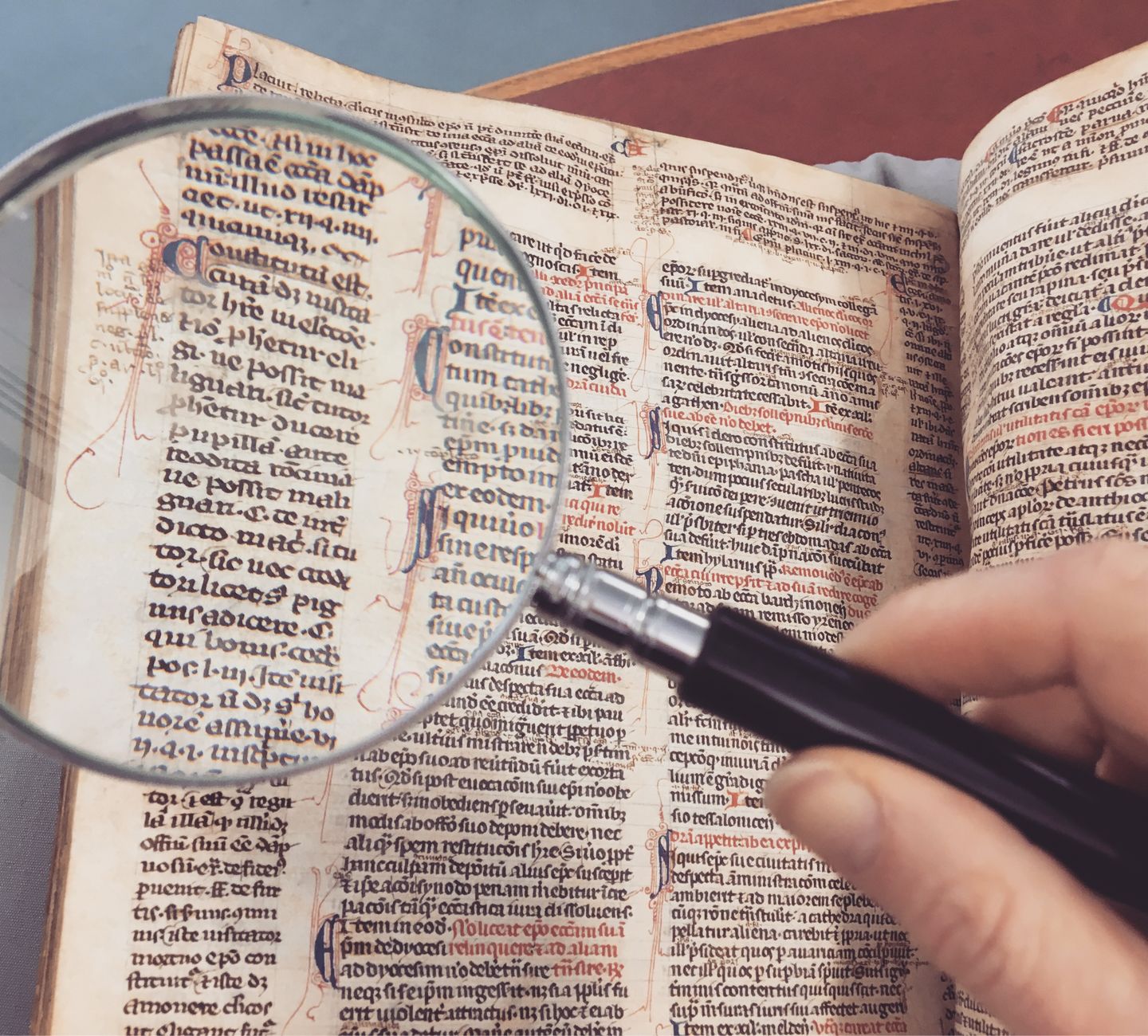
The centerpiece is a parchment fragment written in Latin on animal skin dating to around the year 900 — the time of Charlemagne — now among the oldest documents preserved by a Montreal university. The fragment survived unusually: it was reused centuries later as part of a book binding, a common practice to solidify covers. The university purchased it as a standalone document after discovery.
Librarian Mathieu Thomas said the fragment offers rare insight into the evolution of medieval handwriting. "Around those times, around the times of Charlemagne, that's when you had what they call the Carolingian minuscule. It's the small way of writing letters that really looks like our current way of writing," Thomas said.
The broader collection also includes richly illustrated Books of Hours, an illuminated psalter, a rare French-language incunabulum — one of the earliest printed books from the first decades of the printing press — and a nine-volume French anatomical atlas containing more than 700 hand-coloured lithographs. The library, which houses about 150,000 documents, values direct access to original materials for researchers and students. "For us, for the students and professors to have a first-hand copy, not a copy, not a digitized version, just the real thing, to have it in our hands and be able to study it, it's very, very interesting and very rare," Thomas said.
