Montreal's after-hours culture is moving digital
The city's legendary nightlife is evolving. Digital spaces are becoming as curated and atmospheric as the basement bars and neon-lit streets that defined Montreal's rebellious streak.
The day's top stories, food & events — every morning at 7. Unsubscribe anytime.
If you've wandered down Boulevard Saint-Laurent at three in the morning, you know Montreal doesn't do quiet. Even when the temperature drops low enough to freeze your eyelashes, warmth radiates from the basement jazz bars and poutine spots glowing in neon. The city thrives on the night, but lately, that energy has been migrating.
Montreal's after-hours identity isn't tethered to physical spaces anymore. The "always-on" nature of modern life has moved the spirit of the Plateau and Mile End into digital realms, creating a new kind of nocturnal culture that is just as vibrant as a packed floor at Casa del Popolo.
The rebellious blueprint
Montreal has always had a rebellious streak when it comes to darkness. During Prohibition, the city became a literal oasis — a place where the music played louder and the nights lasted longer. The smoky, brass-filled jazz rooms of the 1940s gave way to the grittier, indie-rock foundations of the Saint-Laurent bars that many Montrealers grew up in. But the city's identity is shifting again.
The way people socialize is no longer tethered to a physical postcode. The "always-on" culture means the party doesn't stop just because the bars have called last orders. The DIY spirit of Montreal's creative class is being poured into digital spaces — a natural progression for a city that has always been at the intersection of festivals and technology. You might start your night at a terrace in the Plateau and finish it within a high-fidelity digital environment that feels just as curated and atmospheric as any club on The Main.
Art in the interface
When you walk around Montreal, the murals are impossible to miss. They are part of the city's DNA, turning grey concrete into a gallery. Recently, that same artistic flair is being applied to the interfaces we interact with every day. Digital design is no longer just about utility; it has become a form of street art in its own right.
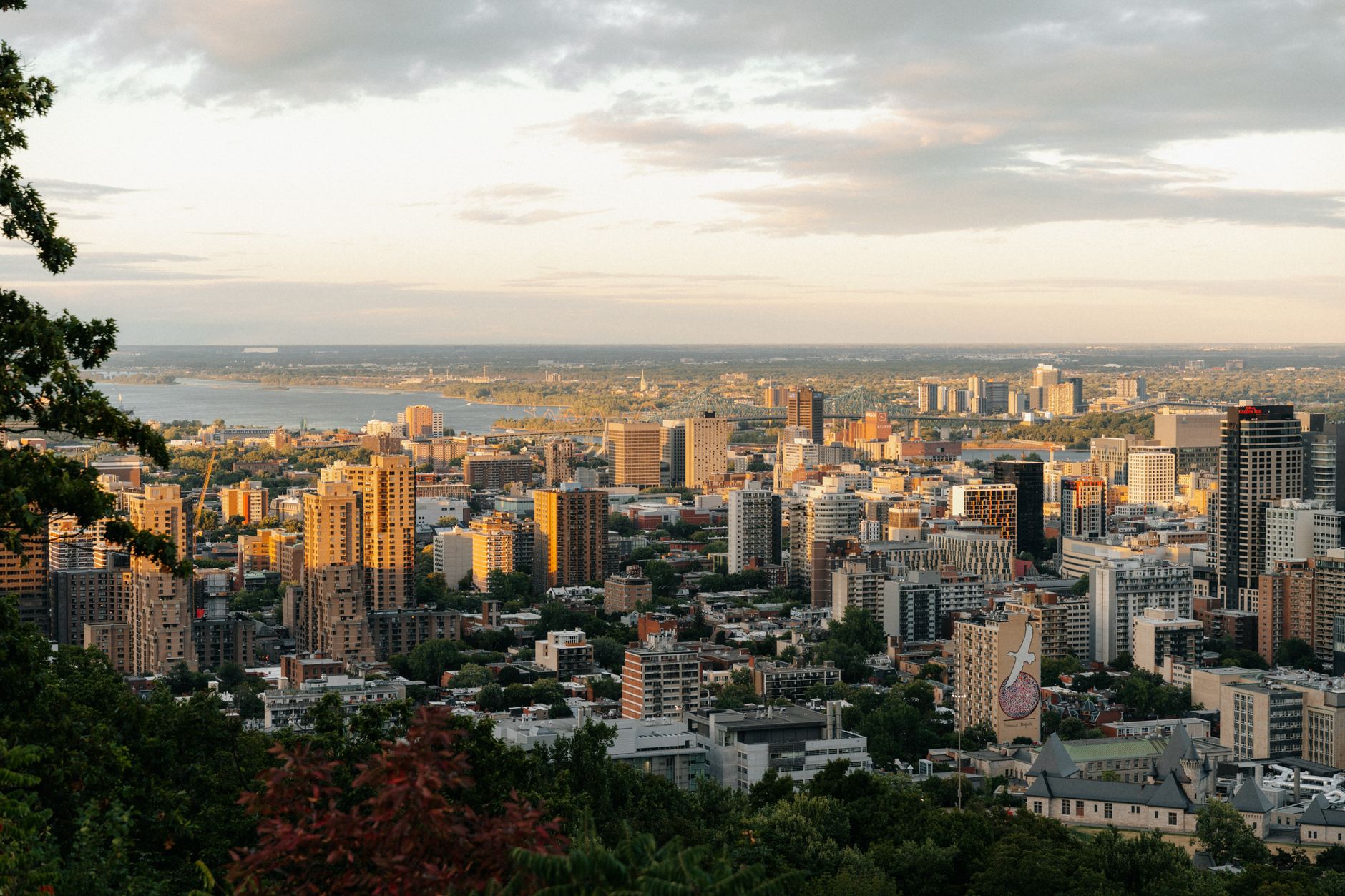
The visual energy of these spaces is incredible. Think about the atmospheric lighting of a well-designed app or the fluid way a high-end interface moves under your thumb. It is very similar to the projection mapping festivals in the Quartier des Spectacles, where light is used to transform the environment. A well-designed interface has the same electric energy as the Jacques-Cartier Bridge lit up with its rhythmic light show.
Modern gaming platforms have stepped up their visual and interactive game. The design philosophy mirrors the same creativity that transforms Montreal's physical nightlife — layered, sensory, responsive. The line between clubbing downtown and inhabiting a digital space is blurring. Both are experiences now. Both demand taste, intention, and a sense of place.
What the shift means
Montreal's creative class has always been ahead of the curve when it comes to collapsing boundaries — between art and commerce, between English and French, between high culture and street culture. The move from physical to digital nightlife is just the latest chapter in a city that refuses to stay still. The music hasn't stopped. It's just playing everywhere now.
