Repentigny residents demand safety answers nearly two months after July 5 train derailment
A community meeting Monday revealed ongoing anxiety among residents living near the tracks. CN says thermal rail misalignment caused the July crash that derailed 46 railcars.
The day's top stories, food & events — every morning at 7. Unsubscribe anytime.
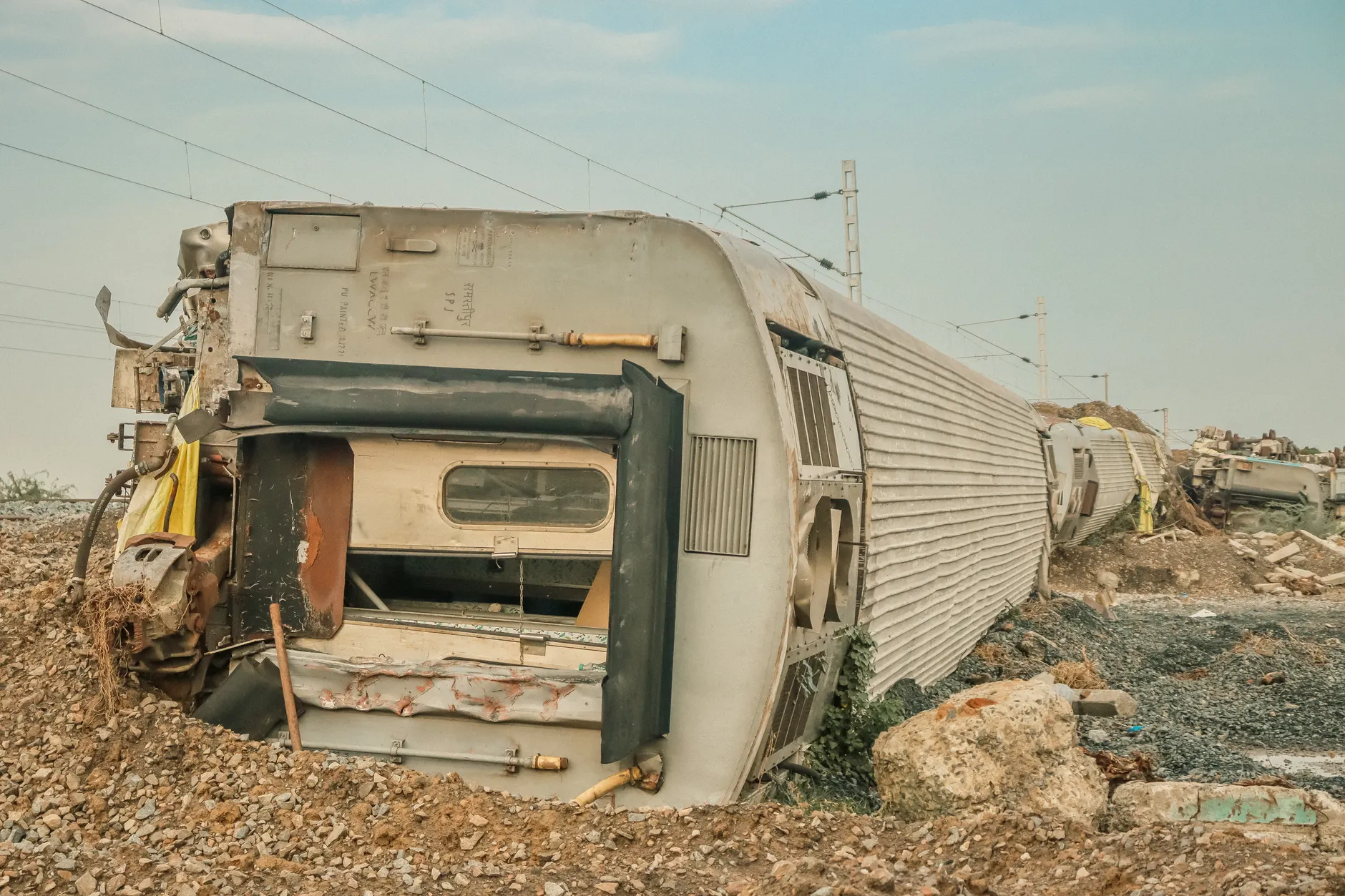
Nearly two months after a train derailed on July 5 near their homes, residents of Repentigny gathered Monday evening to press local officials and Canadian National Railway for answers about what happened, what has been done since, and what will prevent future incidents.
For residents living closest to the tracks, the meeting at Centre Laurent-Venne offered a rare chance to voice concerns that have lingered since 46 railcars left the tracks. The derailment caused no injuries but shattered the sense of safety residents had long taken for granted.
One resident, who asked not to be identified, was home alone with his nine-month-old daughter when the derailment occurred. Hearing the crash of metal, his instinct was to protect her. "I put her in the carrier. I put her in the basement, in a closet, facing the wall, and I closed it. I pushed my fridge in front of it," he said, explaining he feared an explosion. The memory remains vivid. "I'm still shaking because of the sound that the metal did when it all crushed and tore up."
He expressed frustration not only with the technical questions surrounding the derailment but also with how residents felt treated afterward. "I'm not here to have money or anything," he said. "I just want to feel like a human being."
For other families, the aftermath has altered daily life. One resident described the anxiety that now accompanies nighttime when trains pass. "There's a lot of worry, especially with the young children at home who are afraid," she said. "Since then, when the train passes during the night, I stay awake because when I hear the noise, I can't get back to sleep. And my youngest child is afraid of dying."
Another resident focused on the physical impact. She noted that slower-moving trains since the derailment have produced less vibration in homes, offering some relief. But questions about the cause and what comes next remain unanswered for many.
CN released preliminary findings stating that its thorough review of available evidence indicates the derailment was caused by a thermal misalignment of the rail. However, residents and authorities have not disclosed what specific safety measures or speed restrictions CN has implemented on the Repentigny rail line since the July 5 incident, or what the company plans to do to prevent future derailments in this residential area.
What specific safety measures has CN implemented on the Repentigny rail line since July 5, and are there speed restrictions in place?
Will the city or residents have a role in reviewing or approving safety changes before trains resume normal operations?
We'll update this story as answers emerge.
At a glance
What caused the Repentigny train derailment?
Canadian National Railway said thermal misalignment of the rail caused the July 5 derailment that sent 46 railcars off the tracks near Repentigny.
When did residents meet to discuss the derailment?
Repentigny residents gathered on Monday, August 31, 2026, at Centre Laurent-Venne to press local officials and CN for answers about the incident.
What safety measures has CN announced since the derailment?
CN has not disclosed what specific safety measures or speed restrictions it has implemented on the Repentigny rail line, or what it plans to do to prevent future derailments in this residential area.
