24 Indigenous communities access new CHUM telehealth addiction service
Program reaches remote Quebec communities with virtual substance-abuse treatment, boasting strong patient adherence rates.
The day's top stories, food & events — every morning at 7. Unsubscribe anytime.
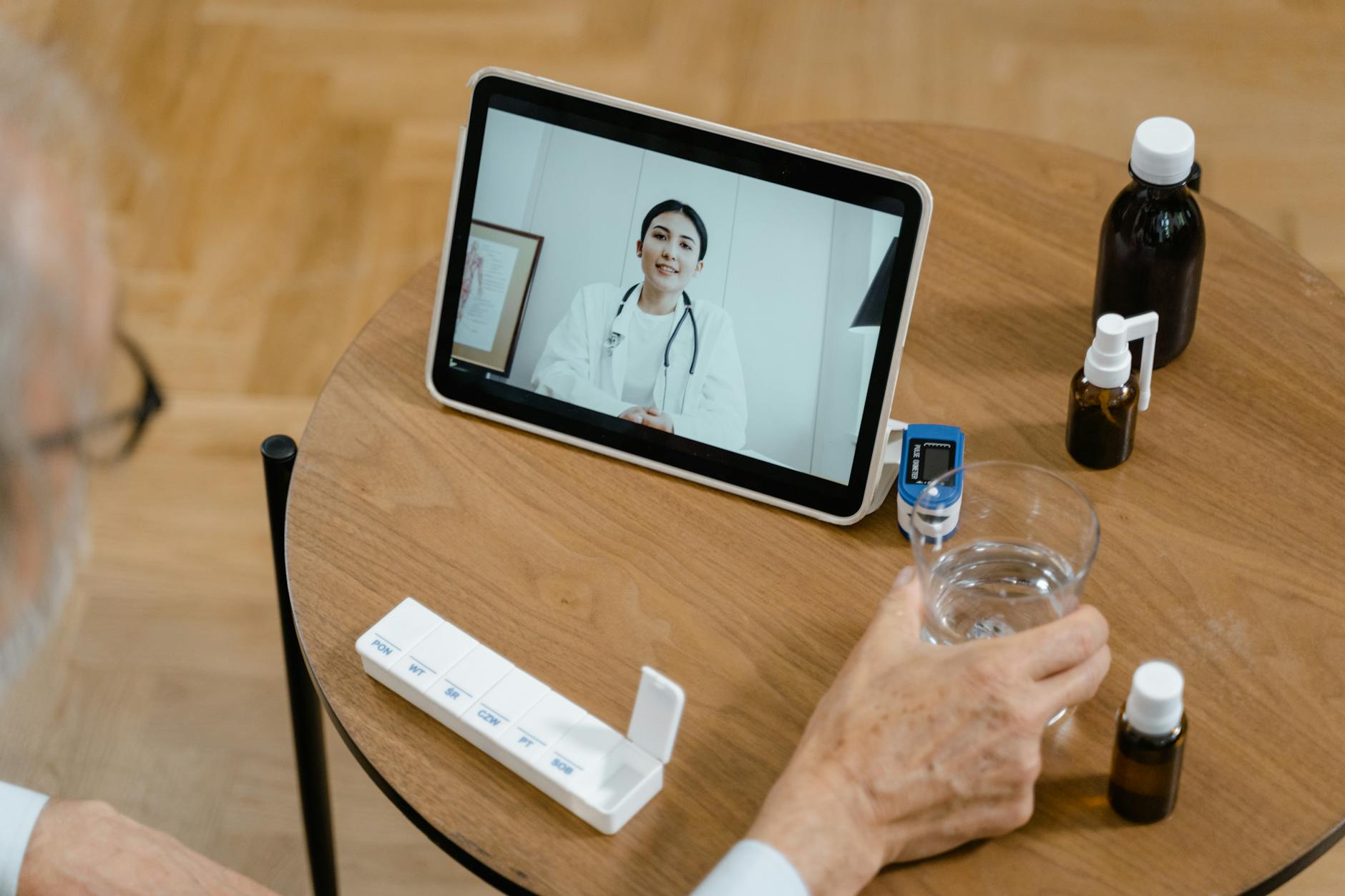
The Centre hospitalier de l'Université de Montréal's addiction medicine service has rolled out a new telehealth program reaching 24 Indigenous communities across Quebec, with early results showing exceptional uptake.
The CATS project addresses a critical gap: substance-use disorder treatment was not traditionally offered through telehealth in Quebec, with in-person care previously considered the only option. The COVID-19 pandemic accelerated the shift, and the model is now proving its value in communities where distance and resources create barriers to care.
The program's success is evident in its numbers. Seventy percent of patients show up for initial evaluations, and that figure rises to 80 percent for follow-up visits once patients are in treatment—figures Sofiane Mouloud Chougar, head nurse of the addiction medicine department, calls "truly excellent."
The strength of the model lies in collaboration, not duplication. Rather than parachuting CHUM doctors into communities, the program pairs them with local health center providers and community healers already trusted by residents. "When the patient comes in for an appointment, it's not just with us—the doctor and nurse at the CHUM—but they're accompanied by the provider they trust," explains chief physician Stéphanie Marsan.
Chougar notes that filling this service gap was key: "The beauty of our program is that we work with each community's health center. We work with the local providers who are already there."
Wait times have shortened dramatically—patients can now be assessed in under five days on average, compared to the five to ten days previously typical. The program is expanding further, with villages in Nunavik expected to join soon.
