Farmers Fighting High-Speed Rail Through Quebec
Quebec's Alto train project would divide farmland and block rural roads, says the farming community.
The day's top stories, food & events — every morning at 7. Unsubscribe anytime.
Quebec farmers are mobilizing against the proposed Alto high-speed train that would link Quebec City to Toronto, arguing the project would carve through agricultural land and cut off access to their fields.
Bruno Proulx, a dairy farmer from Saint-Placide near the Ontario border, says the railway would split farming communities in half. "You're basically cutting all the farming communities in half," said Proulx, co-owner of Ferme M.G Proulx Inc.
According to figures cited by the Quebec farm union, the initial 200-kilometre segment between Montreal and Ottawa—scheduled to begin construction in 2029 or 2030—would affect about 1,700 properties, including at least 500 agricultural properties.
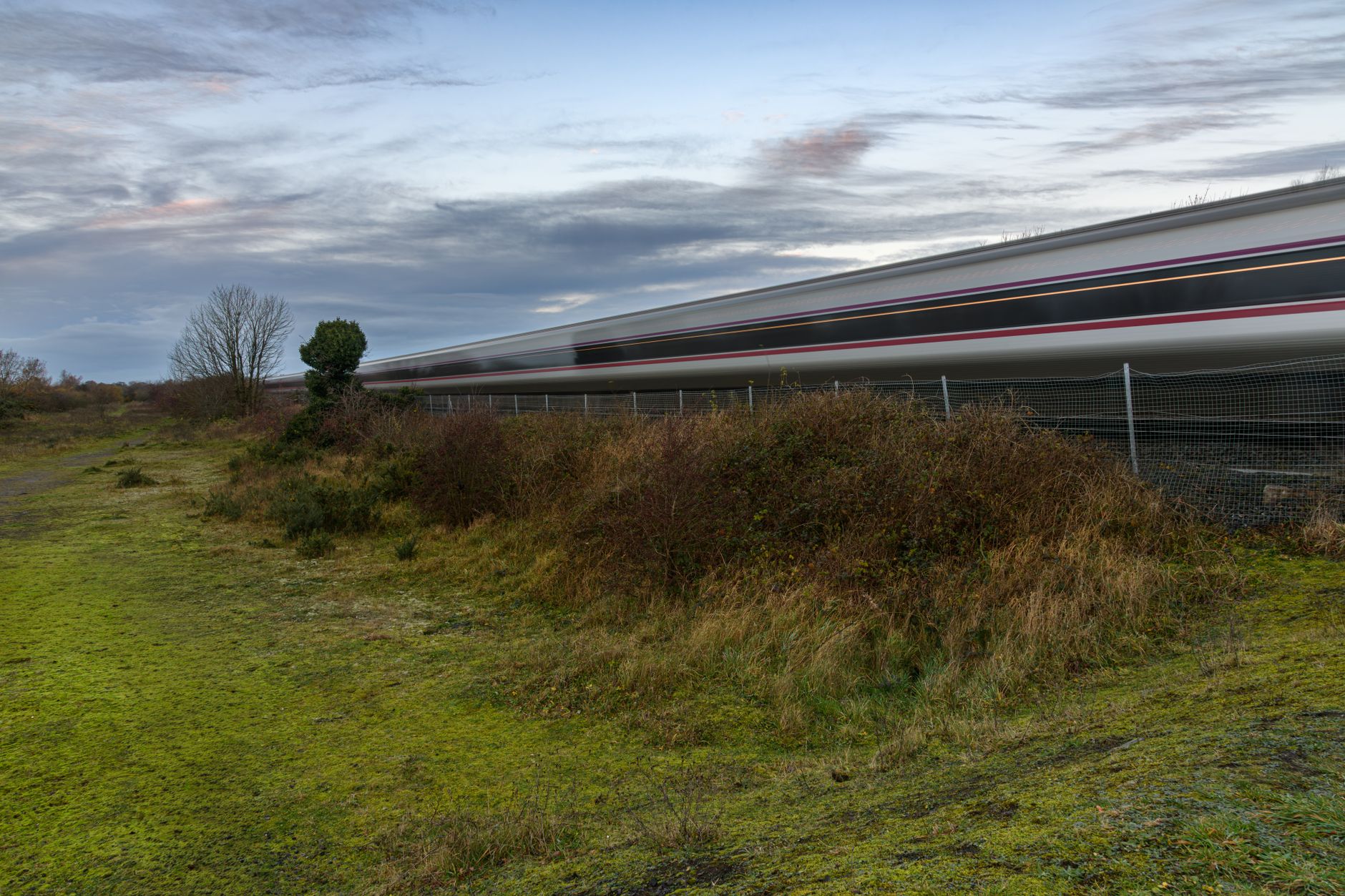
Proulx's biggest concern is practical: fences built on both sides of the railway would block roads that give direct access to his farmland. "With roads being blocked by Alto and fields being cut in half, what are we going to do? How can we get the feed for the cows? How we get rid of the manure? It's a headache."
Protest signs are already appearing in Saint-Placide. One billboard reads: "A high-speed train at $90 billion. Not a priority."
Alto estimates the project will cost between $60 and $90 billion. Parti Québécois Leader Paul St-Pierre Plamondon said his government, if elected in October, would remove Quebec from the project, valuing it at "potentially $200 billion" with Quebec's share around $40 billion.
The resistance reflects a broader rural-urban divide over how the province should spend its resources.
