April Inflation Climbs to 2.8% as Fuel Costs Spike
Canada's inflation rate ticked up to 2.8% in April, driven by rising fuel prices amid ongoing Middle East tensions.
Canada's annual inflation rate climbed to 2.8% in April, Statistics Canada reported Tuesday, marking an uptick driven largely by fuel costs spiking as tensions in the Middle East continued to disrupt global energy markets.
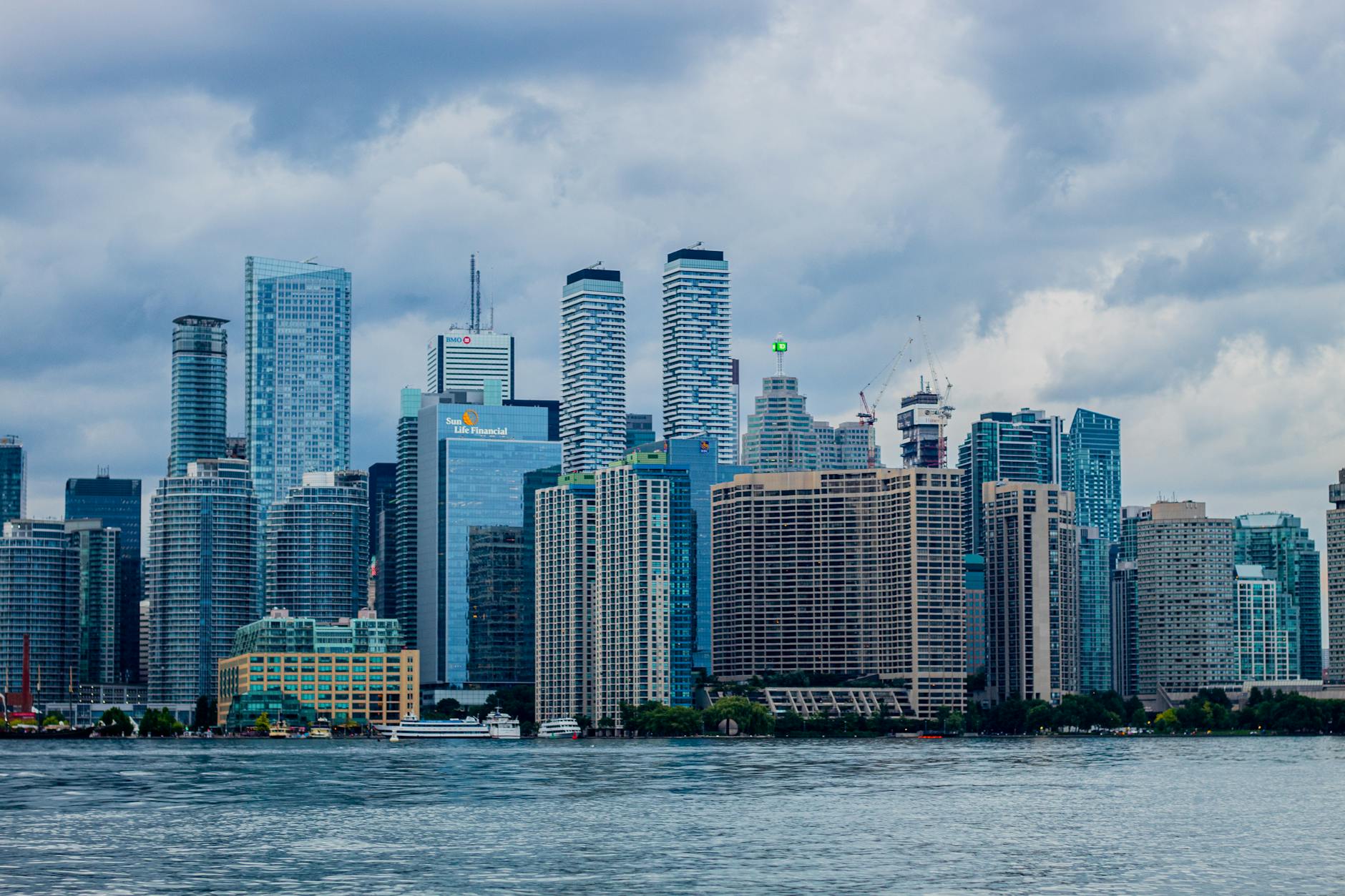
Vancouver saw inflation at 2.4%—below the national average and down slightly from 2.7% in March—suggesting the city has been insulated somewhat from the broader fuel-driven pressure. But regional variation was dramatic. Saint John, New Brunswick, hit 4.5%, while Winnipeg recorded 4.2% and Halifax 4.0%. Toronto, meanwhile, posted the lowest major-city rate at just 1.9%.
Fuel prices have been the primary driver of upward pressure on inflation nationwide. With the Strait of Hormuz effectively closed by Iran and under U.S. naval blockade, crude oil prices have remained volatile but largely elevated above $100 per barrel. The price shock at gas pumps—averaging $4.53 per gallon in the U.S. and proportionally higher in Canada—has rippled through consumer spending and inflation calculations.
Statistics Canada cautioned that city-level inflation figures are based on small statistical samples and may have fluctuated more than headline numbers suggest. Still, the data reveals pockets of significant pressure. Whitehorse climbed to 4.2%, and Yellowknife jumped dramatically to 2.8% from 1.7% in March.
For Canadian consumers, the data underscores the persistent impact of global oil markets on household budgets. Fuel costs have historically driven inflation spikes, and with the Middle East standoff unresolved, energy prices are likely to remain a pressure point through the summer driving season.