Cold War-era vault hidden in Alberta mountains is now a hiking destination
An abandoned underground bunker in Kananaskis Country, once rumored to house government officials during nuclear events, is now a fascinating piece of history accessible to summer hikers.
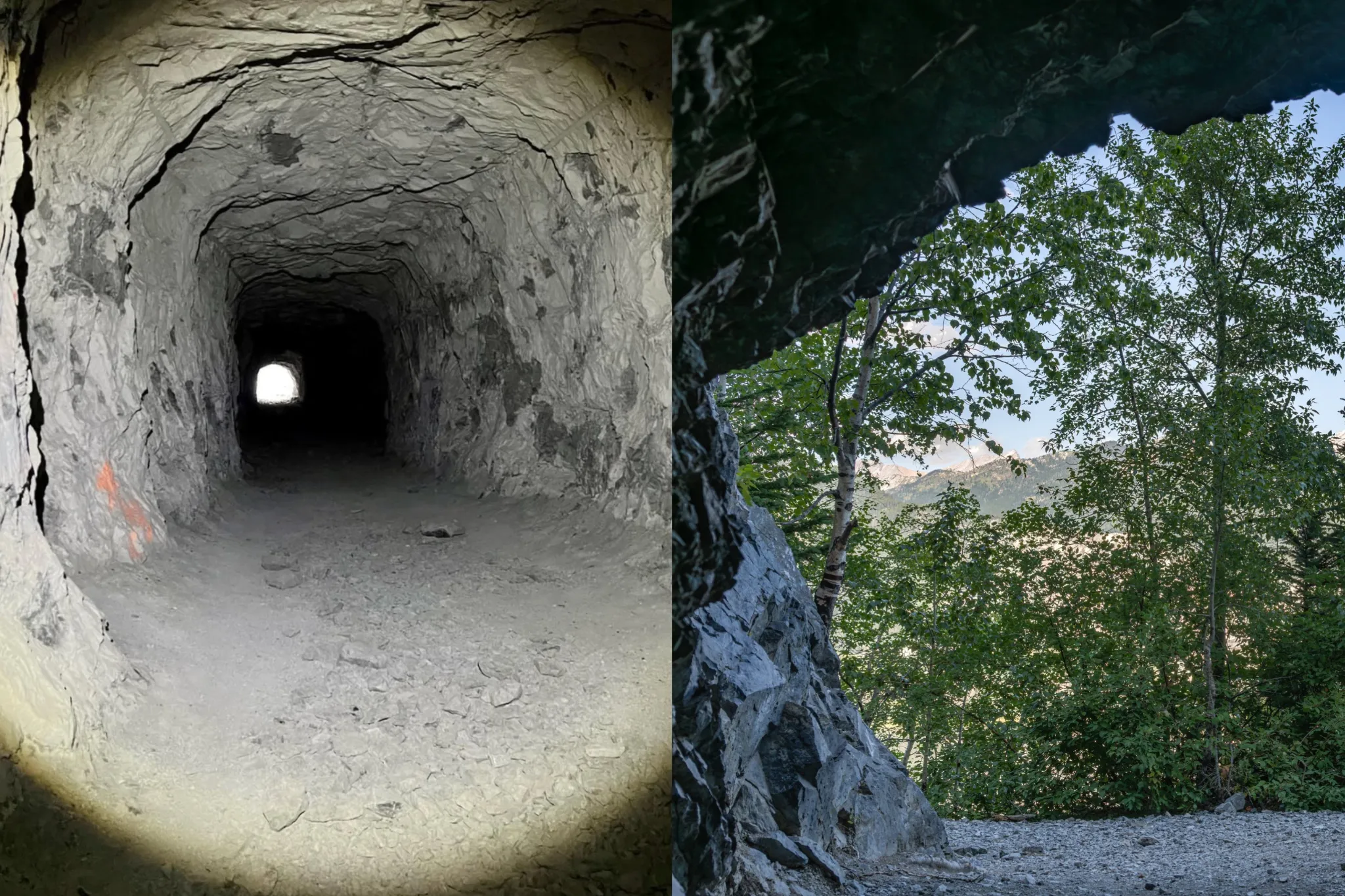
A mysterious tunnel carved into an Alberta mountainside during the Cold War remains one of the region's stranger historical artifacts—and it's become a favorite destination for adventurous hikers.
The Vault, also known as the Heart Creek Bunker, is a large tunnel with small chambers measuring roughly 80 by 25 feet. Located in Kananaskis Country, it was long rumored to be a bunker designed to house Canadian government officials in case of nuclear attack.
In reality, the tunnel was part of a project by Rocky Mountain Vaults and Archives, a company that planned to create secure underground storage for sensitive records. The company received licenses to build the vault in 1969, though work may have begun earlier. Original plans called for a system of "impenetrable" chambers built directly into the mountain.
The vision was ambitious: store Canada's most important documents in a climate-controlled facility protected from nuclear threats and other dangers. Rocky Mountain Vaults negotiated with the Royal Bank of Canada to house banking records, but RBC ultimately chose a Montreal building instead. Without committed clients, the company went bankrupt.
The Vault was abandoned, never reaching its planned size—what remains is only a fraction of the original concept. Today it sits empty, a curiosity of Cold War paranoia and failed ambition.
For hikers, it's become an accessible piece of Cold War history. AllTrails offers guidance on finding it during summer months. The site attracts photographers and history buffs drawn to the tangible reminder of an era when governments seriously planned for nuclear catastrophe. It's the kind of local landmark that makes the Rockies region endlessly strange and compelling.