Ottawa mattress maker Obasan handcrafts organic sleep systems at carbon-neutral workshop
The family-owned Canadian company, founded in 1985, makes each mattress to order using certified organic materials and allows customers to customize layers over time.
The day's top stories, food & events — every morning at 7. Unsubscribe anytime.
Obasan, a family-owned Canadian mattress maker founded in Ottawa in 1985, has spent more than 40 years refining the idea that better sleep begins with better materials. Every mattress and sleep accessory is handcrafted in its carbon-neutral Ottawa workshop using certified organic materials.
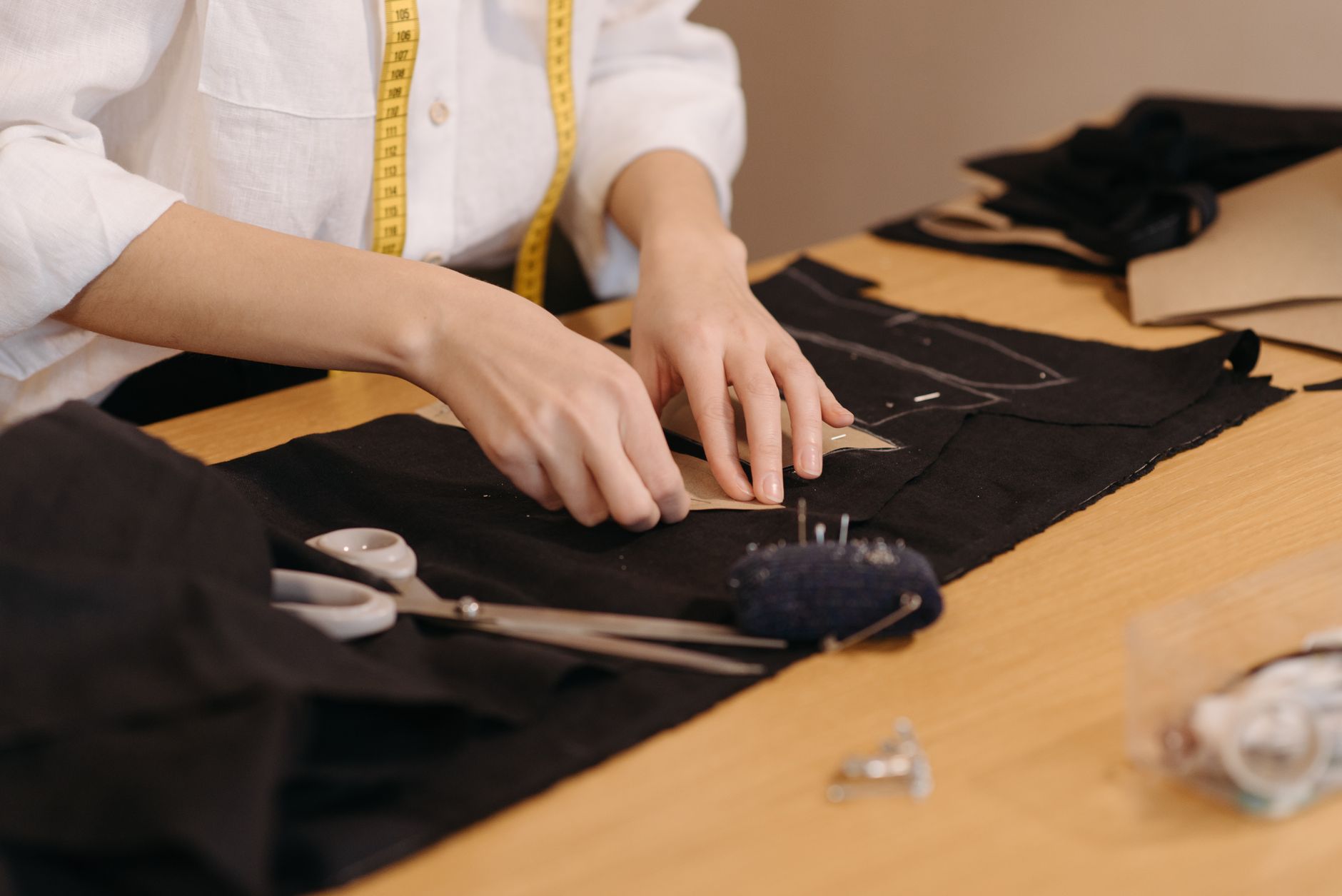
The company's materials meet the rigorous Global Organic Textile Standard (GOTS) and Global Organic Latex Standard (GOLS), certifications that verify every step of the supply chain — from responsibly grown raw materials to environmentally responsible processing and ethical labour practices. A team of 15 skilled craftspeople builds each mattress to order, prioritizing quality over speed.
Unlike conventional mattresses, every Obasan mattress can be unzipped to reveal exactly what's inside. This open design allows the mattress to be customized over time, with individual layers adjusted or replaced as comfort preferences change. The company's 180-day comfort policy and dedicated sleep specialists help customers fine-tune their sleep system until it feels right.
Obasan operates a showroom at 155 Colonnade Road S, Unit 1, Ottawa, and also sells online at obasan.com.
Good to know
Where is Obasan located?
Obasan operates a showroom at 155 Colonnade Road S, Unit 1, Ottawa.
What materials does Obasan use in its mattresses?
Obasan uses certified organic materials that meet the Global Organic Textile Standard (GOTS) and Global Organic Latex Standard (GOLS), verifying responsibly grown raw materials, environmentally responsible processing, and ethical labour practices.
Can you customize an Obasan mattress?
Every Obasan mattress unzips to reveal its layers, allowing individual layers to be adjusted or replaced as comfort preferences change, supported by a 180-day comfort policy and sleep specialists.
