Carleton Scholars Investigate Professor Behind Cold War Gay Research
Ten years after a vague apology for unethical experiments, university researchers are uncovering the full history of Frank Robert Wake's work.
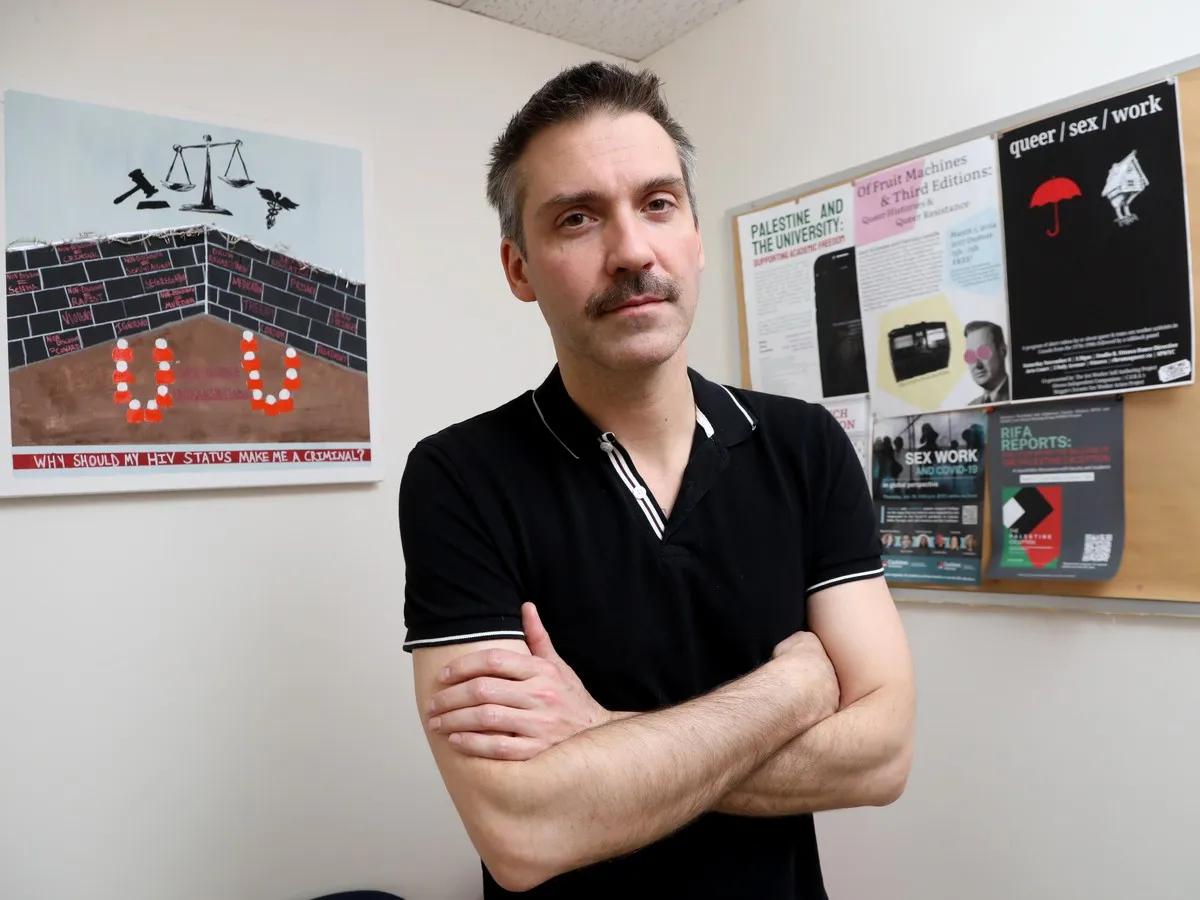
A decade after Carleton University issued a cryptic apology for participating in Cold War-era research that targeted queer students, a group of LGBT+ scholars is now investigating the full scope and ethics of the work. Ryan Conrad, a professor of sexuality studies at Carleton, is leading the effort to document what actually happened—and why the university's earlier response felt so incomplete.
The research in question centers on Frank Robert Wake, who conducted studies on campus that involved questioning and evaluating queer students under the guise of psychological research. The specifics remained murky for years; the university's initial apology in the mid-2010s offered little detail and no meaningful accountability.
Conrad's investigation is trying to paint a complete picture: who participated, what was promised to subjects, what happened to the data, and whether the research influenced policy or fed into surveillance frameworks of the era. It's a task that requires archival work, interviews, and patience—and it reflects a broader reckoning on Canadian campuses about complicity in Cold War-era discrimination.
For Ottawa residents and Carleton alumni, the investigation signals that the university is finally willing to dig deeper than a formal apology. The work isn't finished, but the fact that scholars are being given space to ask hard questions suggests the institution is moving toward transparency—even if it took a decade to get there.