Ottawa volunteers removing invasive plants face lengthy city approval process
Community groups tackling buckthorn, dog strangling vine and garlic mustard say stewardship agreements with the city take months. Council is consulting on faster alternatives.
The day's top stories, food & events — every morning at 7. Unsubscribe anytime.
Ottawa volunteers removing invasive plants from public land are battling government bureaucracy as much as the weeds themselves, with city approval processes stretching months longer than planting seasons allow.
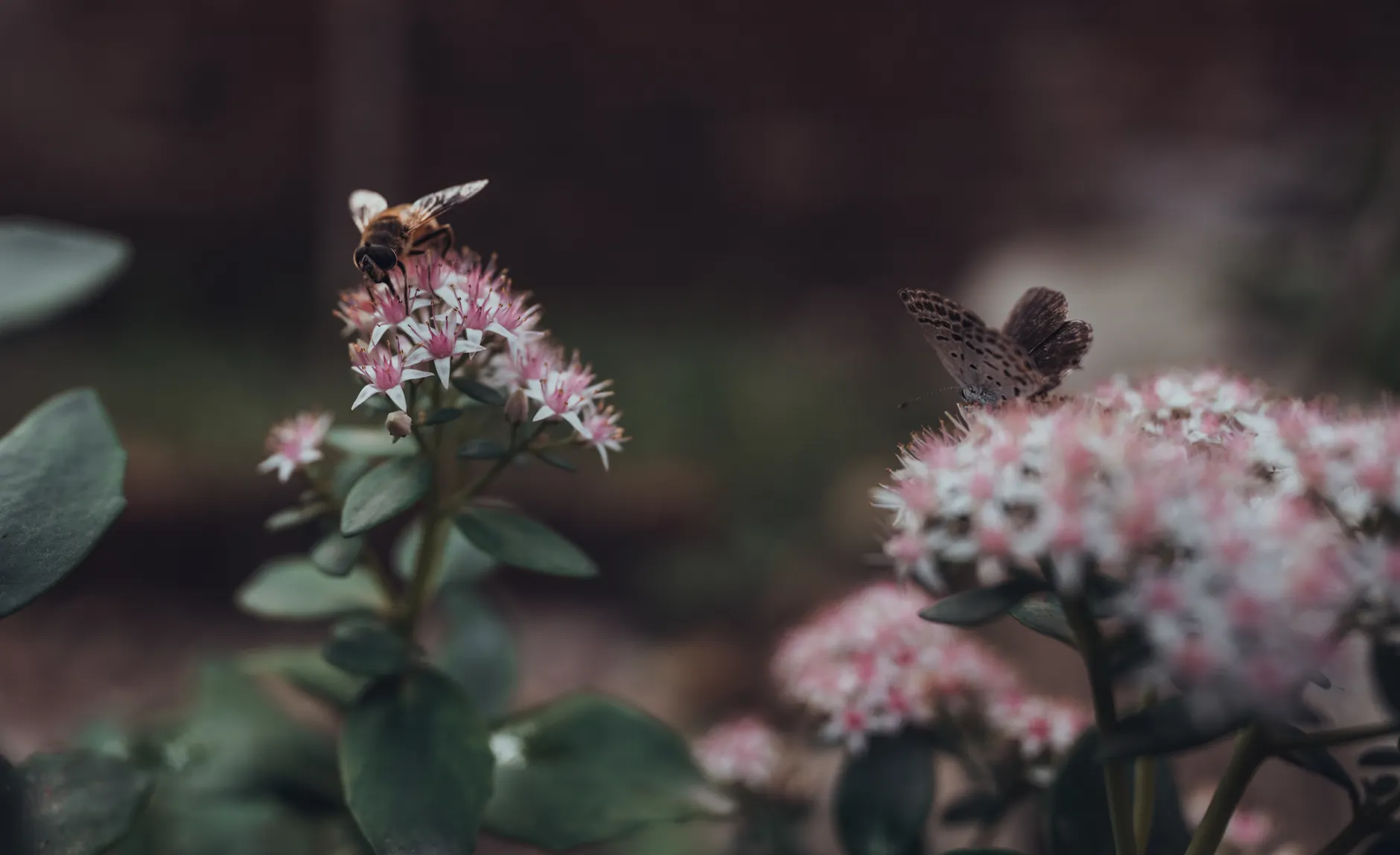
At the Clyde Bee and Butterfly Patch in Carlington, volunteers like Sharon Boddy and Nora Lee tend a 2,000-square-foot garden up to three times weekly. Over three years, they've removed invasive buckthorn trees, dog strangling vine, and other non-native species, replacing them with native saplings. But the work sits within overlapping jurisdictions that slow permission.
Community groups working on City of Ottawa land must seek a stewardship agreement and reapply annually. The city must consult forestry, parks, roads, and real estate departments before approving, according to Lynne Patenaude of Ottawa South Eco-Action Network. "It could include with roads, parks, forestry and real estate, and so it just gets long," she said. "They really do need the process to be a bit more expedited."
Nora Lee's group seeking approval for a new garden in Greenlawn Park was promised an answer in May. "Here we are mid-July," she said.
Buckthorn, dog strangling vine, phragmites, wild parsnip, and garlic mustard are among the most common invasives in Ottawa, according to Carleton University biology professor Joseph Bennett. The plants thrive in warmer climates and outcompete native species. Buckthorn berries, though eaten by birds, offer little nutrition and act as a diuretic, spreading seeds across neighbourhoods.
Alt. Vista Councillor Marty Carr, who chairs the city's environment committee, said the city has made progress: staff recently simplified insurance requirements for volunteers. She's pushing for what she calls an "easy certification process" where groups could be responsible for removing invasives in designated areas without months of bureaucratic review.
"The direction that all parties want to move into is some sort of easy certification process where these groups could then be responsible for removing within a certain area, overseeing it and reporting back to the city," Carr said.
Carleton's Bennett emphasized the need for a "bottom-up and top-down approach." Government agencies lack the capacity to remove invasives everywhere, he said. "The people in local community groups are a really important part of this."
The facts
What invasive plants are volunteers removing in Ottawa?
Volunteers in Ottawa are removing buckthorn, dog strangling vine, garlic mustard, phragmites, and wild parsnip from public land.
How long does it take to get city approval for volunteer work on Ottawa public land?
The approval process takes several months. One group seeking approval for a new garden in Greenlawn Park was promised an answer in May but had not received it by mid-July 2026.
What change is Ottawa City Council considering to speed up volunteer work on invasive plants?
Alt. Vista Councillor Marty Carr is pushing for an 'easy certification process' where volunteer groups could be designated to remove invasives in specific areas and report back to the city, avoiding lengthy bureaucratic review.
