Safe Injection Sites Closing: What Happens to Users?
As Ottawa shuts down a key harm-reduction facility, advocates warn the city's most vulnerable are losing critical access to services.
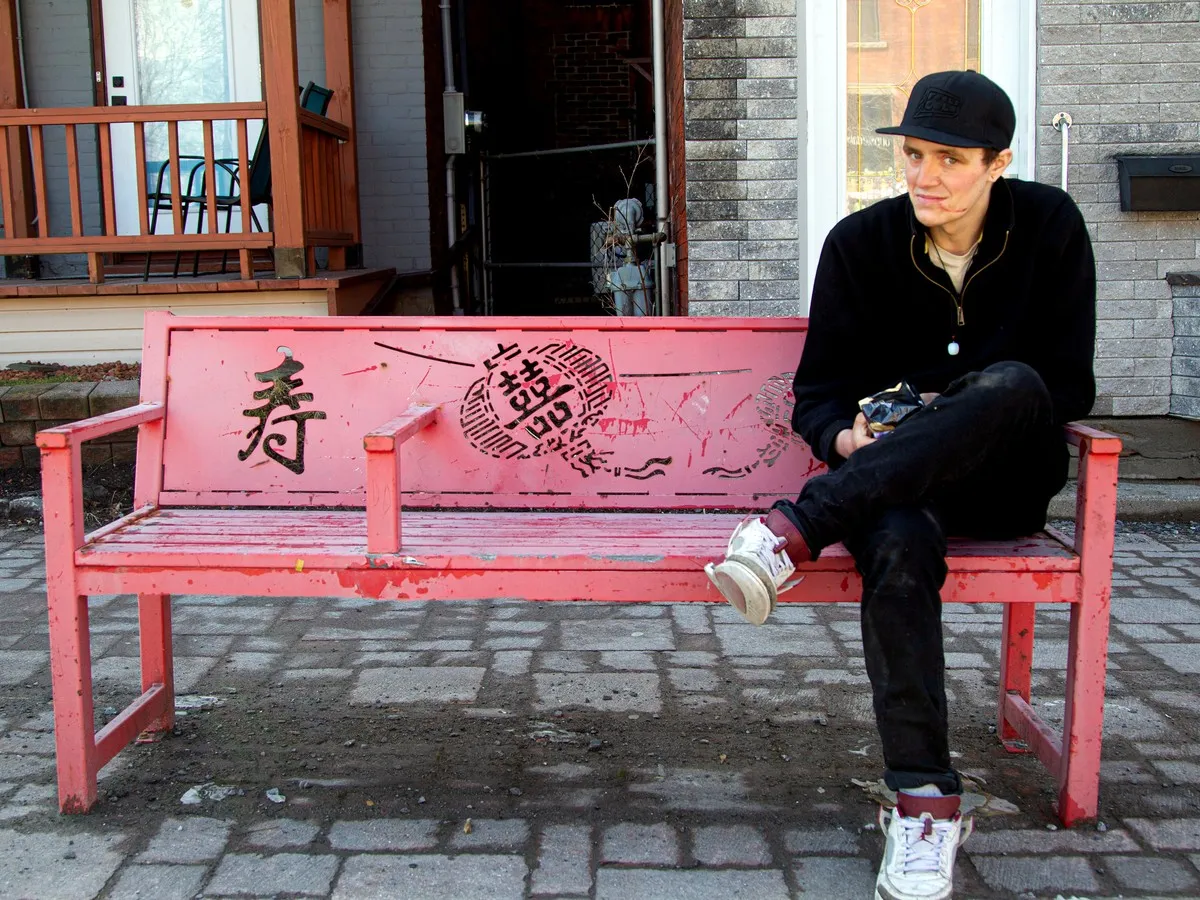
When a safe injection site closes, the people who relied on it don't simply vanish—they relocate to darker corners of the city, often returning to riskier consumption patterns and disappearing from the care systems that kept them alive.
Ottawa Citizen reporter Bruce Deachman spent time with users like Joey MacRae-Chiaralli, a 31-year-old navigating homelessness and addiction on Somerset Street West. MacRae-Chiaralli has a long history of street life but remains determined to turn things around. For people like him, a safe injection site isn't just a place to use drugs—it's a tether to addiction services, medical care, and staff trained to intervene if an overdose occurs.
When these facilities close, overdose deaths typically spike in the surrounding area. Users lose access to sterile equipment, trained observers, and emergency medical support. They also lose touch with case managers and social workers who might connect them to treatment, housing, or mental health services.
The stakes are particularly high in Ottawa's core, where visible homelessness and substance use have become flashpoints in city politics. Advocates argue that closing harm-reduction services without replacing them with equivalent capacity simply pushes addiction underground, making the problem harder to see and harder to solve—not easier.
For residents asking why homeless encampments persist downtown, the answer often traces back to gaps in services, not a lack of will on the part of people struggling with addiction.