Canada's nuclear expansion could be funded by pension funds like Quebec's La Caisse
The federal government wants private investors—especially pension funds—to help finance up to 10 new nuclear reactors, using a model that British investors are already backing at Sizewell C.
The day's top stories, food & events — every morning at 7. Unsubscribe anytime.
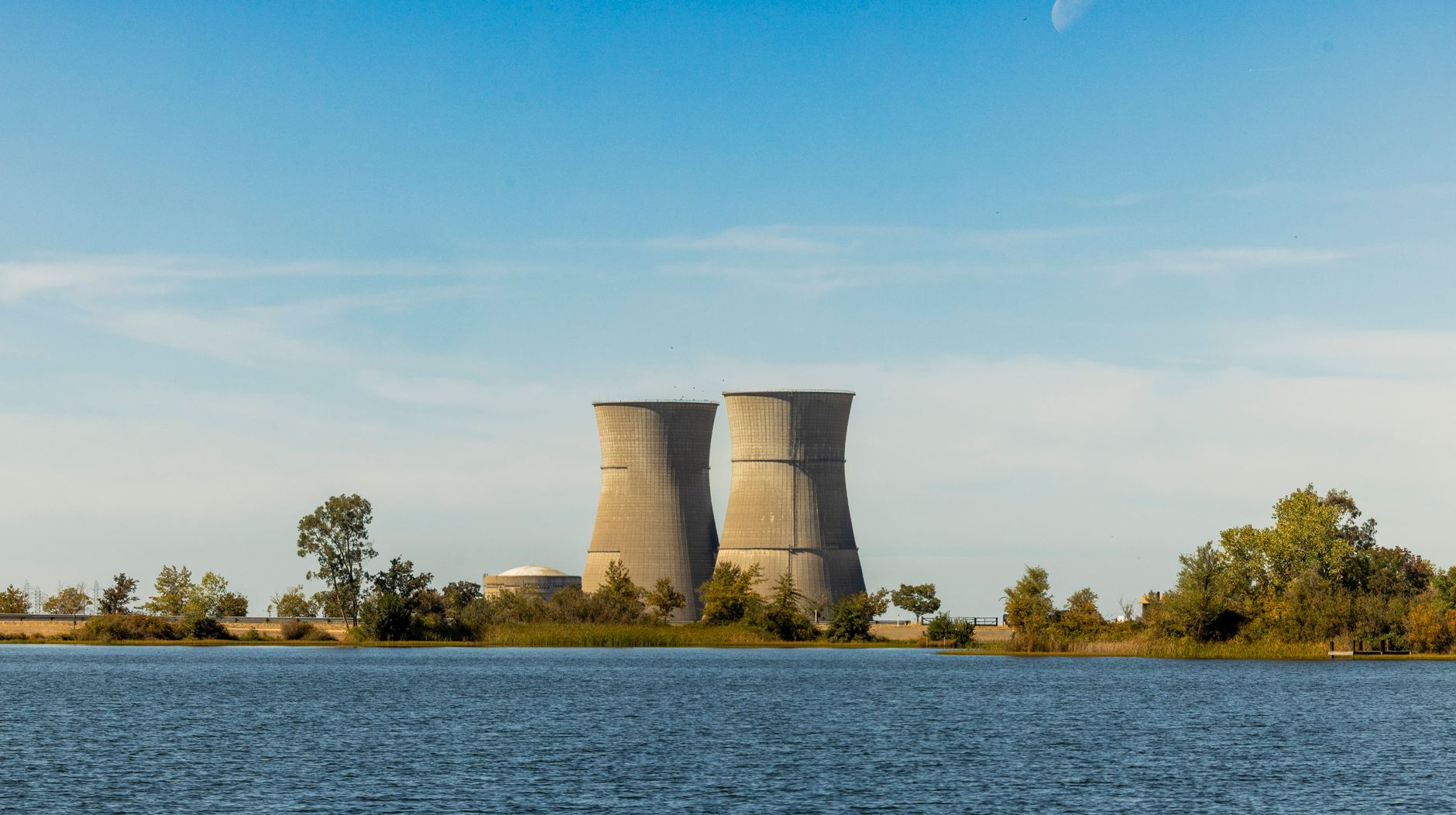
Canada's plan to build up to 10 new nuclear reactors will rely heavily on private investors—including pension funds—to cover the enormous costs, mirroring a British funding model that has already attracted major institutional backing.
Natural Resources Minister Tim Hodgson cited Sizewell C on the English coast as the template. That project, estimated to cost 38.2 billion pounds (CAD $72.3 billion), has secured 55 percent of its financing from private investors, including La Caisse, Quebec's public pension fund, which committed CAD $3.2 billion for a 20 percent stake.
The challenge is that nuclear energy in developed countries has a track record of massive cost overruns and delays, making pension funds wary. Hinkley Point C in the U.K. began construction in 2017 at an estimated CAD $34 billion and is now projected to exceed CAD $64 billion. Finland's Olkiluoto 3 project stretched from 2005 to 2022 and ballooned from CAD $5.1 billion to CAD $17.8 billion.
To attract risk-averse investors like pension funds, private projects need protection from cost spirals. The Sizewell C model uses a regulated asset base (RAB) system where investors begin receiving returns during construction, not just when the plant operates. In Britain, a one-pound monthly levy on every ratepayer's electricity bill funds those early returns, insulating investors from construction delays and capping their exposure if costs rise beyond an upper limit.
Someone has to absorb that de-risking cost—either taxpayers or electricity consumers. Pension funds, bound by duty to protect their members' retirements, will not invest without such protections.
