Canada's wastewater reveals stark differences in drug use across seven major cities
Statistics Canada surveyed methamphetamine, cocaine, fentanyl and other substances in municipal wastewater from January 2024 to March 2026, finding Prince Albert with nine times Toronto's meth levels.
The day's top stories, food & events — every morning at 7. Unsubscribe anytime.
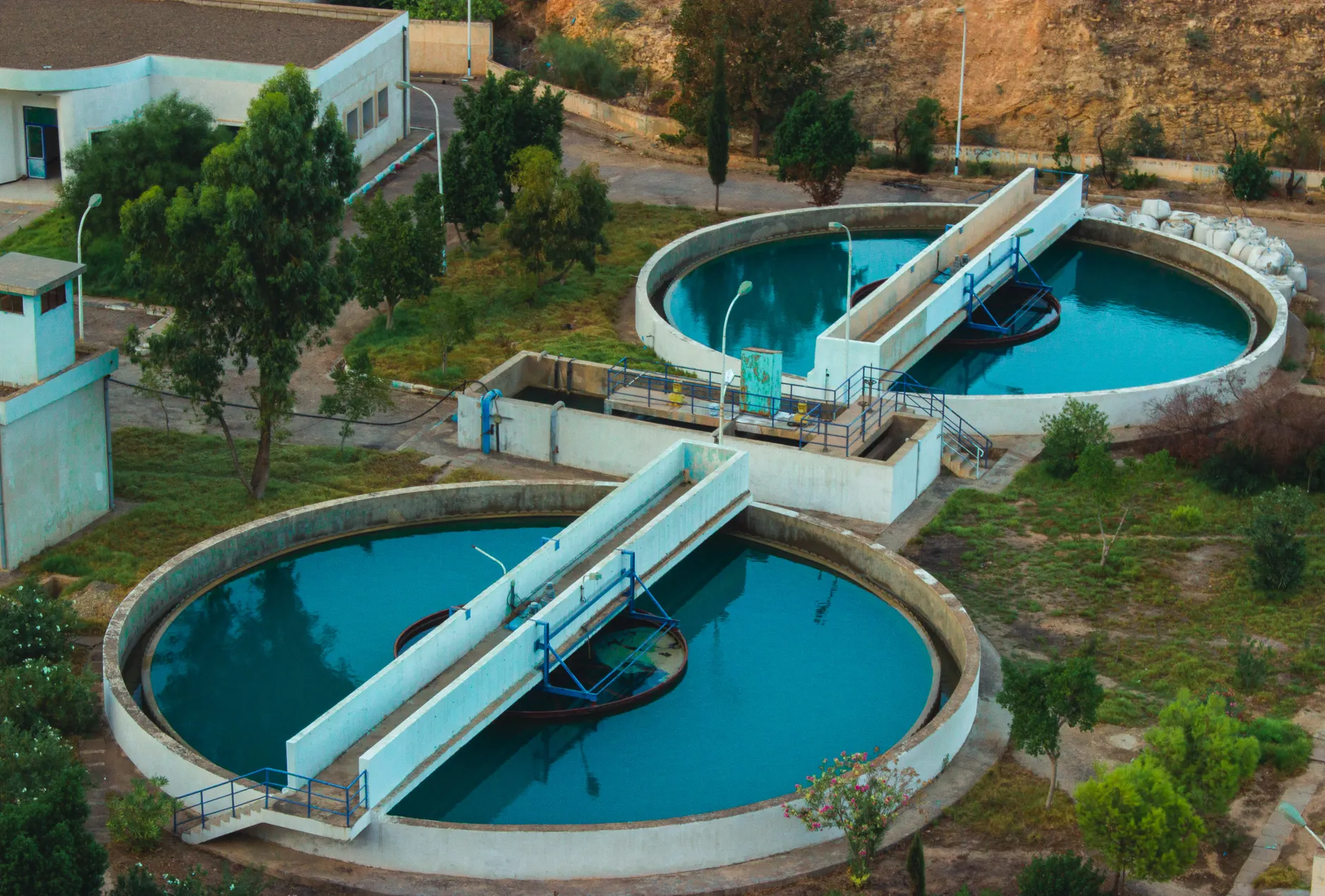
Statistics Canada released the first comprehensive drug wastewater survey across Canada, measuring metabolites of cannabis, opioids, methamphetamine, cocaine, and amphetamines in treatment plant catchments serving roughly 9.2 million people.
The survey, conducted from January 2024 to March 2026, covered seven municipalities: Edmonton, Halifax, Metro Vancouver, Montreal, Prince Albert, Saskatoon, and Toronto. Researchers took samples during one-week windows every two months, analyzing what municipal wastewater reveals about drug consumption patterns.
The findings show starkly uneven drug use across the country. Prince Albert, Saskatchewan emerged with the highest levels of both methamphetamine and cocaine. In March 2026, the city recorded 2,003 milligrams of methamphetamine per 1,000 people per day—nine times higher than Toronto's 214 milligrams. Prince Albert's cocaine load was approximately 5,296 milligrams per 1,000 people per day, roughly three times Halifax's 1,734 milligrams.
Edmonton also showed elevated methamphetamine use. The city measured approximately 1,071 milligrams per 1,000 people per day in January 2025, dropping to 624 milligrams by March 2026—still nearly three times Toronto's level. Saskatoon recorded approximately 958 milligrams in March 2026. Halifax, by contrast, had the lowest methamphetamine presence at 56 milligrams per 1,000 people per day.
Metro Vancouver stood out for dramatically elevated fentanyl levels compared to other cities surveyed.
Prince Albert also showed troubling trends over time. Both methamphetamine and cocaine presence increased from 2022 to 2023. Amphetamine levels decreased in 2023 but remained vastly higher than in other surveyed cities.
"The measures that we got in Prince Albert are notably higher than other places," said Janine Clarke, acting chief of Statistics Canada's analysis and dissemination section for direct health measures surveys.
StatCan analyst Sianne Kuang described wastewater analysis as a "pretty good proxy of drug consumption" within each treatment plant's catchment area—offering insight into community-level use that surveys alone cannot capture.
Why the disparities exist remains unclear. Kora DeBeck, a professor at Simon Fraser University's School of Public Policy, noted that drug availability in local markets plays a role: "There's many different drivers of different substance use, and one of them is just what is available in the market." But DeBeck suggested the patterns point more directly to drug trafficking networks: "It seems much more connected to drug trafficking and how the networks of drug production and trafficking work, and we really don't have good insight into that."
By the numbers
How much higher was methamphetamine use in Prince Albert than Toronto in March 2026?
Prince Albert recorded 2,003 milligrams of methamphetamine per 1,000 people per day in March 2026, nine times higher than Toronto's 214 milligrams.
Which city had the lowest methamphetamine levels?
Halifax had the lowest methamphetamine presence at 56 milligrams per 1,000 people per day.
How many people did the wastewater survey cover?
The survey measured wastewater from treatment plant catchments serving roughly 9.2 million people across seven Canadian municipalities.
How did Edmonton's methamphetamine levels change over time?
Edmonton measured approximately 1,071 milligrams of methamphetamine per 1,000 people per day in January 2025, dropping to 624 milligrams by March 2026.
