Ottawa should expand its Western Balkans role beyond crisis management, paper argues
Azra Dizdarevic argues Canada should add diplomacy, sanctions and better-targeted funding to its Western Balkans role, citing the Canada-EU alliance and re
The day's top stories, food & events — every morning at 7. Unsubscribe anytime.
Azra Dizdarevic argues in a commentary published Friday, Nov. 27, that Canada should take its role in the Western Balkans beyond crisis management and into support for democratic values and civic engagement. She sets out three steps for Ottawa: stronger diplomatic engagement with the region, sanctions against officials implicated in significant corruption, and more targeted financial contributions.
The opening for that work, she writes, is the Canada-EU alliance. The joint statement from the leaders' summit in Montréal on Oct. 30 says both sides will "sharpen our focus on shared priorities," naming the Western Balkans among them.
Six countries, Albania, Bosnia and Herzegovina, Kosovo, Montenegro, North Macedonia and Serbia, are trying to join the European Union. Their progress is uneven. The European Commission's annual Enlargement Package, released Nov. 4, said Montenegro had provisionally closed 21 chapters of its accession talks and Albania had opened its last remaining cluster.
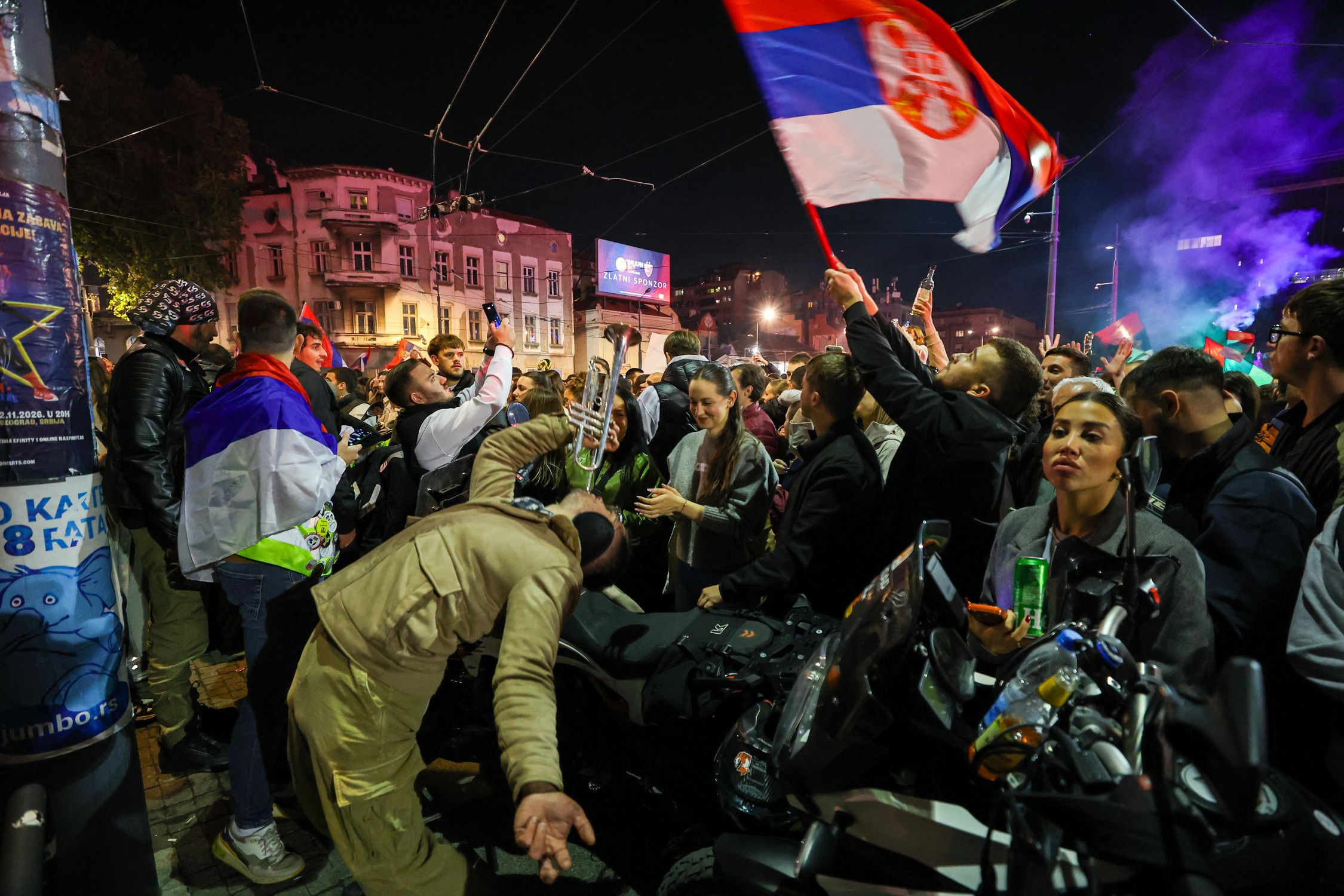
Serbia is the centre of Dizdarevic's argument. She writes that a two-year, student-led protest movement, which began after a railway station canopy collapsed and killed 16 people, backed a slate of academics, experts and other professionals. That slate won 140 of 250 seats in the parliamentary elections in October. The Commission flagged "persistent political polarization" and also pointed to negative trends in the judiciary and in fundamental rights.
On sanctions, Canada's official list of sanctions regimes includes no regime for any of the six countries, and its Yugoslavia regime has been repealed. Dizdarevic points to a June hearing of the House of Commons foreign affairs committee, where Conservative MP Lianne Rood said Canada had no sanctions against anyone undermining Bosnia's Dayton Peace Agreement at that point. Rood named Milorad Dodik, the de facto strongman of Republika Srpska, Bosnia's Serb-dominated entity.
Canada already funds some work in the region. In September, Foreign Affairs Minister Anita Anand highlighted a Global Affairs Canada project with the Balkan Investigative Reporting Network. It aims to expose Russian hybrid threats through investigative reporting and training for journalists. Dizdarevic argues that Canada's contributions should be better targeted than they are now.
On diplomacy, she notes that Canada's embassy in Budapest is accredited to Bosnia and Herzegovina. She proposes roving diplomatic staff out of Budapest, senior-level visits and a central coordinator who would work with Canada's embassy in Belgrade.
The leaders have committed to defining, by 2027, an "ever-closer association" with the EU that falls short of full membership, and to a framework on democratic resilience, the commentary says.
By the numbers
How many of the 250 seats in Serbia's October parliamentary elections did the student-backed slate win?
The slate backed by Serbia's two-year, student-led protest movement won 140 of the 250 seats in the parliamentary elections held in October.
How many people were killed when the railway station canopy collapsed in Serbia?
The collapse of a railway station canopy in Serbia killed 16 people, and it was the event that began the two-year, student-led protest movement in that country.
