Canada faces worsening wildfire smoke as researchers warn of long-term air-quality risk
Canada's 2023 wildfires released 554 million tonnes of carbon—three times human emissions—forcing experts to focus on smoke reduction rather than prevention.
The day's top stories, food & events — every morning at 7. Unsubscribe anytime.
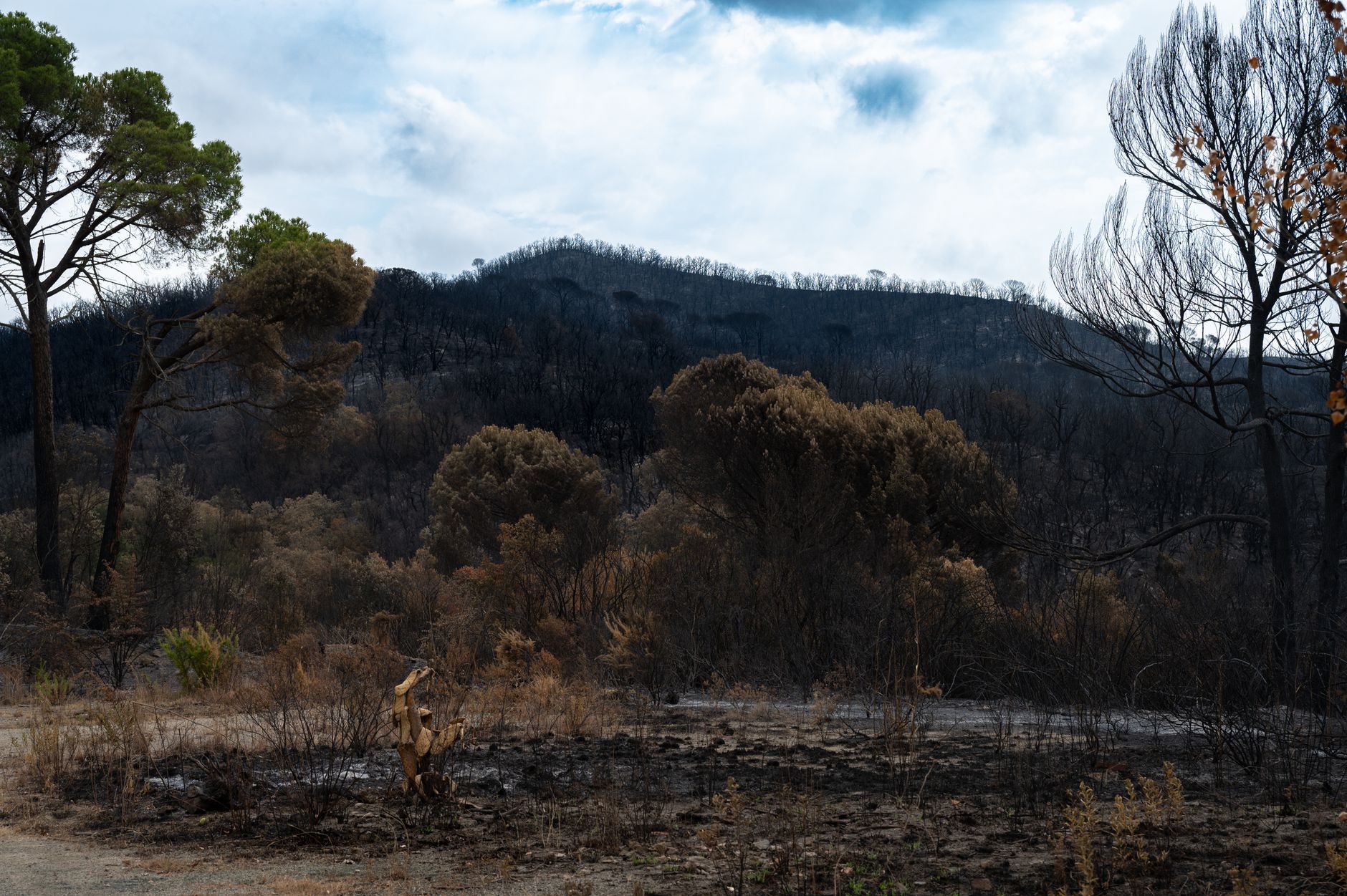
Canadians should expect to breathe smoke from wildfires at least part of every year going forward, according to scientific analysis released this week. The reality is stark: Canada's 2023 wildfires released 554 million tonnes of carbon, with 76 percent originating from soil and peat combustion and 24 percent from live biomass burning.
The scale of wildfire emissions dwarfs human carbon output. In 2024, Canadian wildfire emissions reached 2.4 billion tonnes of CO2 equivalent—including methane—compared with human-caused emissions of 685 million tonnes. In 2025, wildfire carbon emissions reached 263 megatonnes, with B.C. wildfires contributing just under 5 megatonnes.
While 2026 wildfire emissions so far remain below 2023 levels according to Copernicus climate monitoring, the toll on human health is immediate and severe. Scores of millions of Canadians and Americans are currently enduring smoke amid high temperatures, while communities continue losing homes to wildfires.
Experts argue Canada must shift focus from prevention—which remains difficult—to minimizing the health impacts of smoke. Recommendations include making homes, workspaces and schools more airtight, installing air purifiers in every room and office, and using N95 masks whenever air quality drops from smoke, smog or dust. In new construction, air purification should be built into heating, ventilation and air-conditioning systems.
Wildfire smoke can also threaten electricity grids by damaging transmission lines. The remedy proposed would be installing enough solar power in homes and workplaces to provide essential energy during outages—especially for data centres, which consume vast electricity and water and should install backup wind and solar power to keep operating when grid demand peaks.
Canada's climate emissions strategy faces a core tension: the federal government is supporting "nation-building" pipelines aimed at making Canada an "energy superpower," even as wildfire emissions now exceed human-caused carbon by a factor of more than three.
By the numbers
How much carbon did Canada's 2023 wildfires release?
Canada's 2023 wildfires released 554 million tonnes of carbon, with 76 percent from soil and peat combustion and 24 percent from live biomass burning.
How did Canadian wildfire emissions compare to human emissions in 2024?
In 2024, Canadian wildfire emissions reached 2.4 billion tonnes of CO2 equivalent compared with human-caused emissions of 685 million tonnes.
What were Canada's wildfire carbon emissions in 2025?
In 2025, wildfire carbon emissions reached 263 megatonnes, with B.C. wildfires contributing just under 5 megatonnes.
