Connected cars pose privacy risks, Quebec report warns — 12 major vulnerabilities identified
A new government report flags cybersecurity, location tracking, unfair insurance practices, and non-consensual filming as major privacy risks in smart vehicles.
The day's top stories, food & events — every morning at 7. Unsubscribe anytime.
Modern connected vehicles are tracking far more than just your location — and the risks are largely invisible to drivers, according to a new report from Quebec's committee on ethics in science and technology.
The 64-page report identifies 12 major privacy risks embedded in smart cars, including cybersecurity vulnerabilities, location tracking, unfair insurance practices based on driving data, and cameras that can record bystanders without consent.
Luc Bégin, the committee's head, acknowledged that connected vehicles offer real benefits. But because many drivers skip reading the terms and conditions — which can run dozens of pages — he says it's crucial people understand the risks to make informed decisions about what data they're sharing and with whom.
The report did not specify what the 12 risks are, but flagged that cameras in connected vehicles can record people outside the vehicle who have not consented to being filmed. Insurance companies increasingly use driving data collected by vehicles to set premiums, a practice the report identified as a vulnerability to unfair pricing. Location tracking allows detailed mapping of where you drive, when, and for how long — information that can be sold, subpoenaed, or breached.
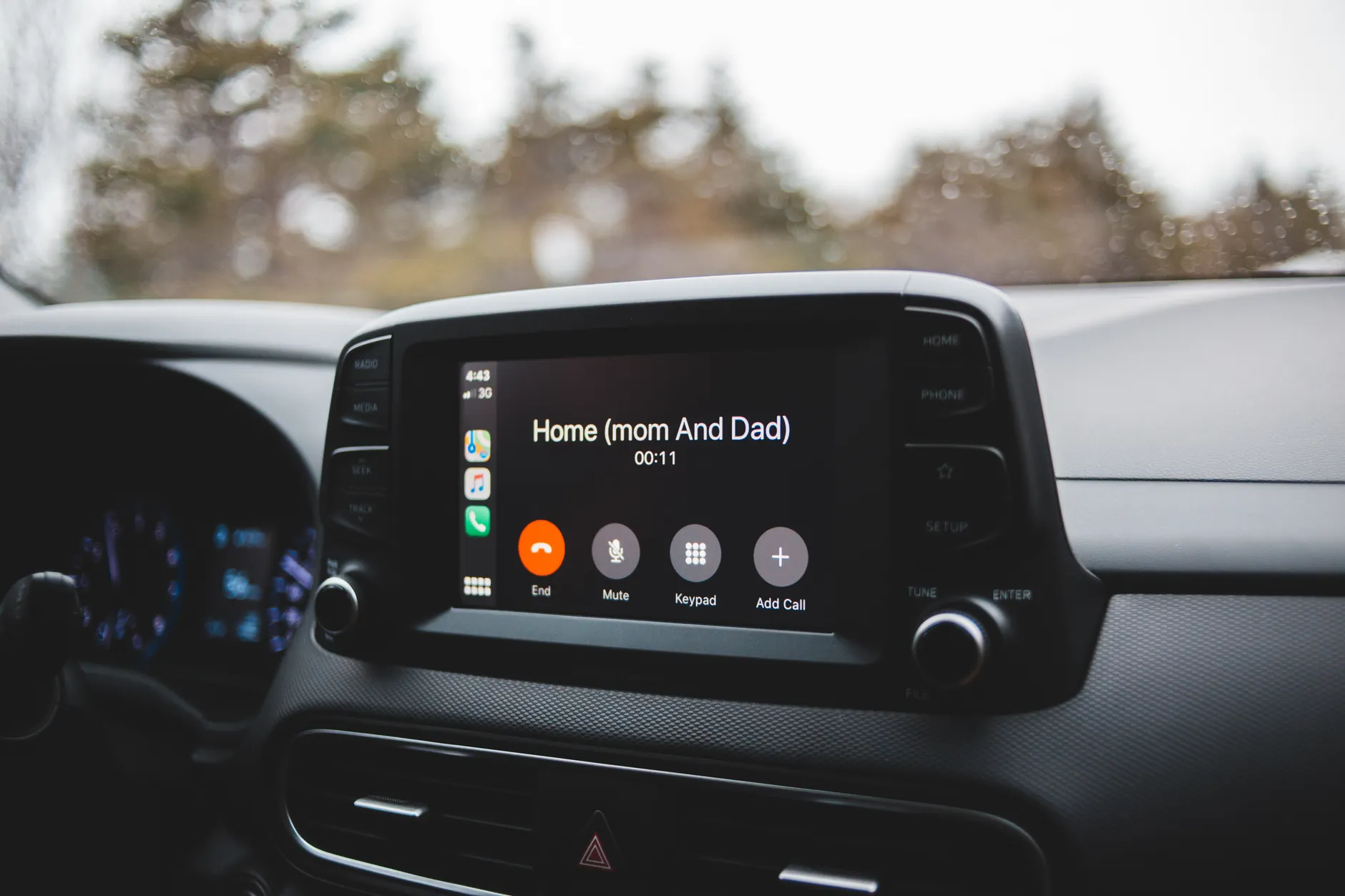
Cybersecurity remains a core concern. Connected cars contain multiple entry points for hackers: infotainment systems that connect to smartphones, cloud services that store driving data, and wireless communication with other vehicles and infrastructure.
The report comes as connected vehicles become standard across manufacturers. Most new cars now include GPS navigation, cloud backup, remote diagnostics, and data-sharing agreements that buyers rarely review. Unlike traditional vehicle ownership, where the car itself was the extent of the transaction, connected vehicles create an ongoing relationship between the driver, the manufacturer, the insurer, and potentially dozens of third-party data brokers.
What are the 12 specific privacy risks identified in the report, and which are most common in vehicles sold in Canada?
What regulations, if any, currently govern how auto manufacturers and insurers collect and use connected-car data in Canada?
We'll update this story as answers emerge.
By the numbers
How many privacy risks did Quebec's ethics committee identify in connected vehicles?
Quebec's committee on ethics in science and technology identified 12 major privacy risks in smart cars, including cybersecurity vulnerabilities, location tracking, unfair insurance practices, and non-consensual recording by vehicle cameras.
What are the main privacy concerns with connected vehicles?
Connected vehicles pose risks through location tracking that maps driving patterns, insurance companies using driving data to set premiums unfairly, cameras recording people outside the vehicle without consent, and cybersecurity vulnerabilities in infotainment systems, cloud services, and wireless communication features.
