Fraser Institute says U.S. market appeal complicates Ottawa's plan to diversify exports
Ottawa's budget pledges to double non-U.S. exports by 2035. A free-market think tank says the U.S. market's pull on Canadian firms complicates that goal.
Sources · Fraser Institute
The day's top stories, food & events — every morning at 7. Unsubscribe anytime.
Ottawa wants to double Canada's non-U.S. exports by 2035. The federal budget, tabled November 5 as Budget 2026, includes $55 million to develop what it calls "digital tools" for international shipments, plus more money for the Canada Account, which backs Canadian companies selling into higher-risk foreign markets.
The Fraser Institute, a free-market think tank, says the U.S. makes the goal hard to reach. It argues the United States is an easy market for Canadian exporters: close by, wealthy, sharing a language and many business practices, and growing faster than peer economies including Canada over the past 15 years. It also says most Canadian industries can sell into the U.S. tariff-free.
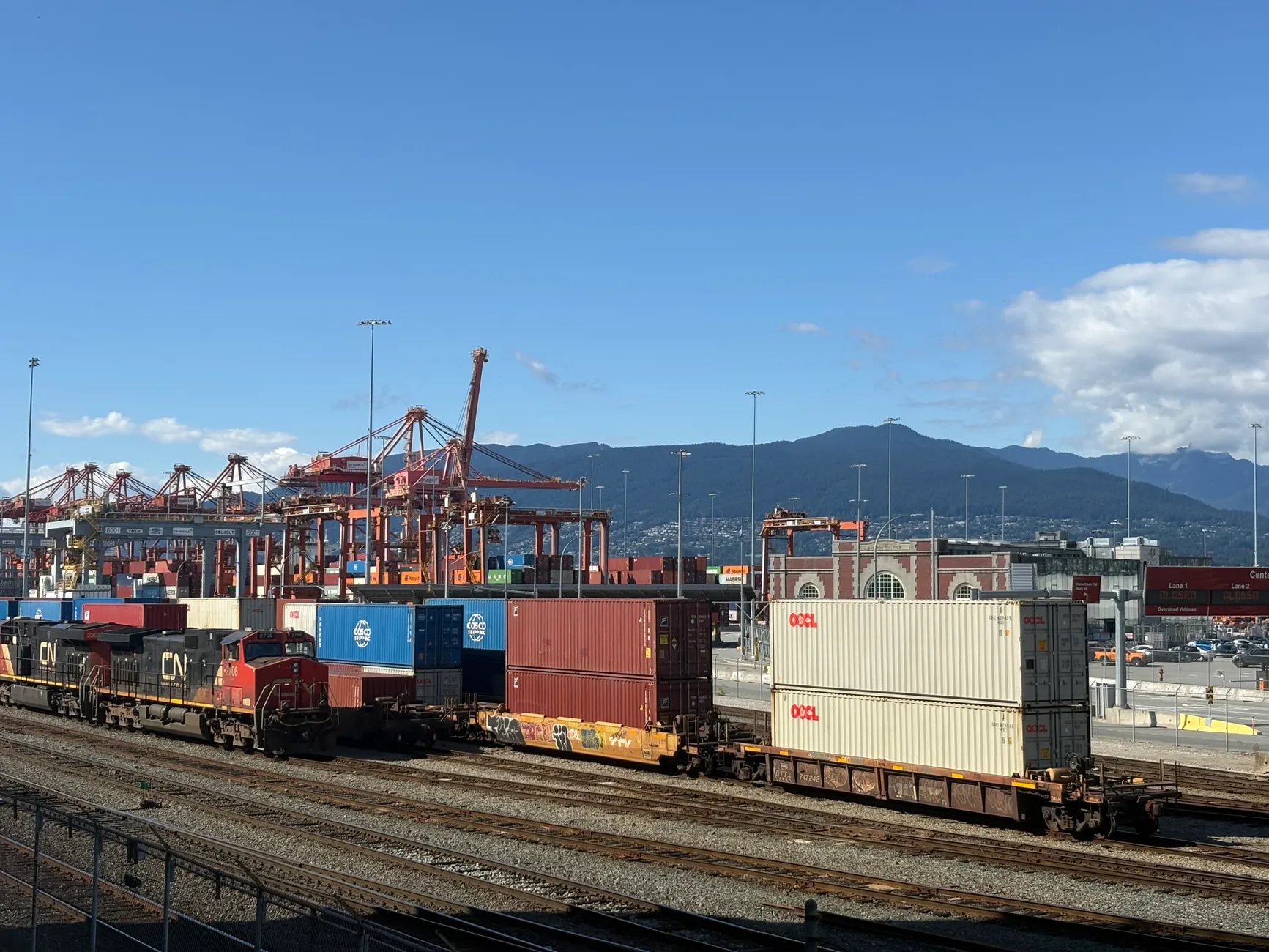
Exporting is not the norm for Canadian businesses, the think tank says, because doing business abroad carries more risk than staying local. In 2024, about 48,000 enterprises were directly involved in exporting goods, and a majority shipped predominantly or exclusively to the U.S. About 58,000 Canadian firms exported services, many of them also focused on the U.S. The top 50 goods exporters account for almost half of Canada's roughly $780 billion in annual merchandise exports.
The institute also says Ottawa has little direct influence over export activity, which depends on private-sector action. Government can improve access to foreign markets through trade agreements and expanded export financing, and can create a domestic environment that makes exporting easier.
A new federal office, with an industry advisory council alongside it, is meant to help domestic companies win overseas business. Aerospace is named as an initial sector focus.
The doubling target is a goal, not a result.
