Grey whales are starving along B.C. shores as Arctic warming reduces their food sources
So far this year, 145 grey whales have died across Mexico, the U.S., and Canada — nearly matching all of 2025's total — as scientists cite climate change as a likely culprit.
The day's top stories, food & events — every morning at 7. Unsubscribe anytime.
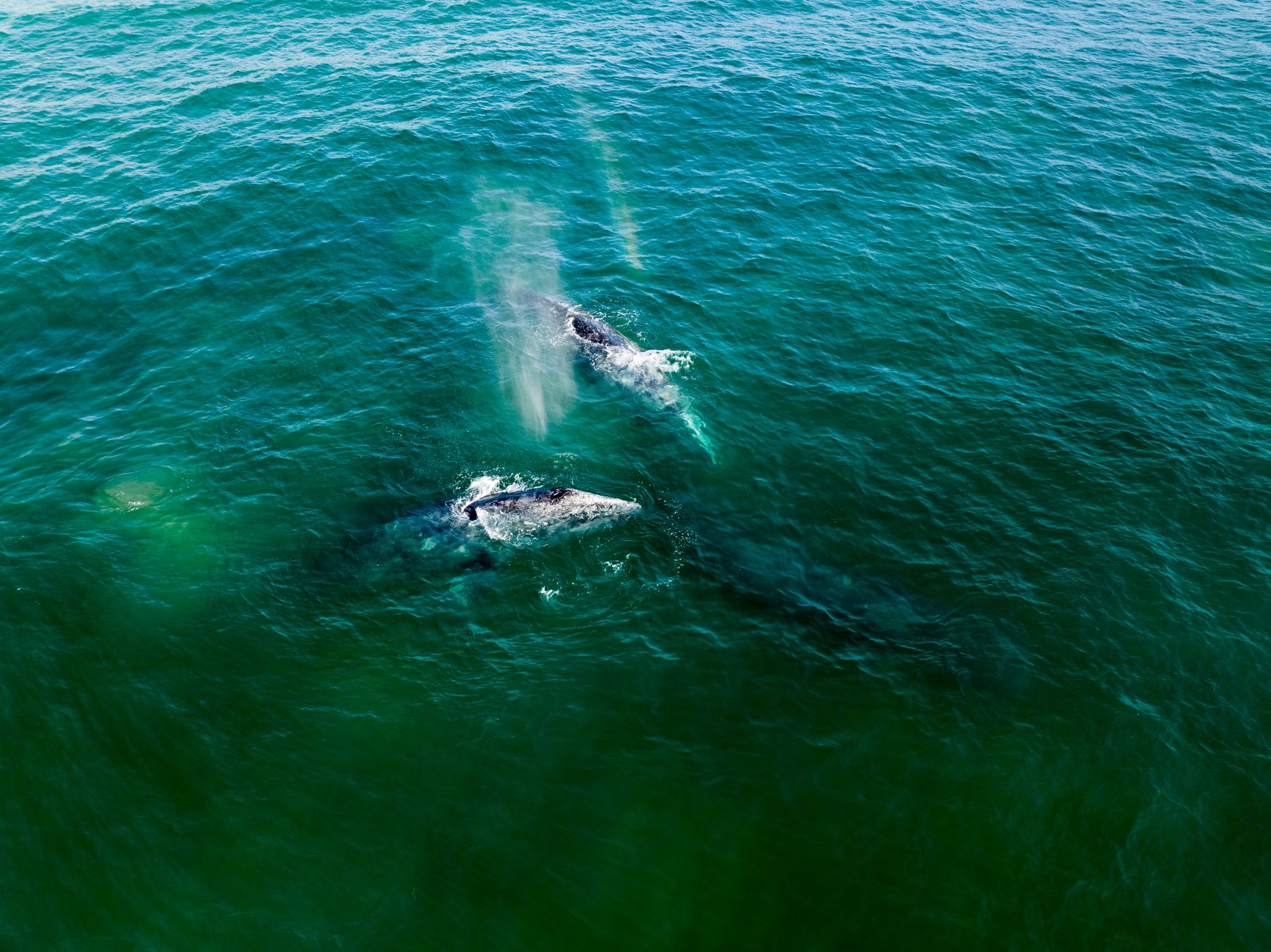
Grey whales are dying in alarming numbers along the West Coast, and researchers say a warming climate is likely part of the problem.
As of July 8, 145 grey whale deaths had been recorded across Mexico, the U.S., and Canada in 2026 — already nearly matching the 179 deaths recorded in all of 2025 and far exceeding 2024's 61. In 2019, when the crisis first emerged, 216 whales washed ashore dead. So far this year, 10 carcasses have been found off B.C.'s coast alone, with 30 more in Washington state.
Many of the whales are malnourished and skinny, their bodies failing as they make their annual 22,000-kilometre migration from breeding grounds in Baja, Mexico, to feeding grounds in Alaska. That spring migration — March and April — is the most dangerous time: whales haven't eaten for months and are vulnerable to running out of energy during the journey north.
Whale biologist Jim Darling, who has studied whales for over 40 years and operates a research vessel out of Tofino, B.C., says the Eastern North Pacific grey whale population has collapsed. The National Oceanic and Atmospheric Administration estimates the population dropped from around 26,960 in 2016 to 12,950 in 2025.
The cause remains unclear, but scientists suspect melting Arctic ice and warming ocean temperatures are reducing the number and changing the availability of small sea creatures — the tiny amphipods and other organisms the whales rely on to survive. Last August, Darling and two other prominent whale biologists wrote an open letter describing the situation as "precipitous decline, with significant range-wide die-offs, malnourished 'skinny' individuals, and reduced reproductive rates."
Scientists are calling for the Eastern North Pacific grey whale to be designated an endangered species.
By the numbers
How many grey whale deaths were recorded across Mexico, the U.S., and Canada as of July 8, 2026?
145 grey whale deaths had been recorded across Mexico, the U.S., and Canada as of July 8, 2026 — nearly matching the 179 deaths in all of 2025.
How did the Eastern North Pacific grey whale population change between 2016 and 2025?
The Eastern North Pacific grey whale population dropped from around 26,960 in 2016 to 12,950 in 2025, according to the National Oceanic and Atmospheric Administration.
When do grey whales face their greatest danger during migration?
The spring migration in March and April is the most dangerous time for grey whales, as they have not eaten for months and are vulnerable to exhaustion during the northbound journey from Baja, Mexico to Alaska.
