Blood test trials aim to detect cancer recurrence before CT scans can see it
Researchers at Princess Margaret Cancer Centre are enrolling 7,000 patients in a trial testing whether liquid biopsies can find microscopic tumour DNA and prevent relapse.
The day's top stories, food & events — every morning at 7. Unsubscribe anytime.
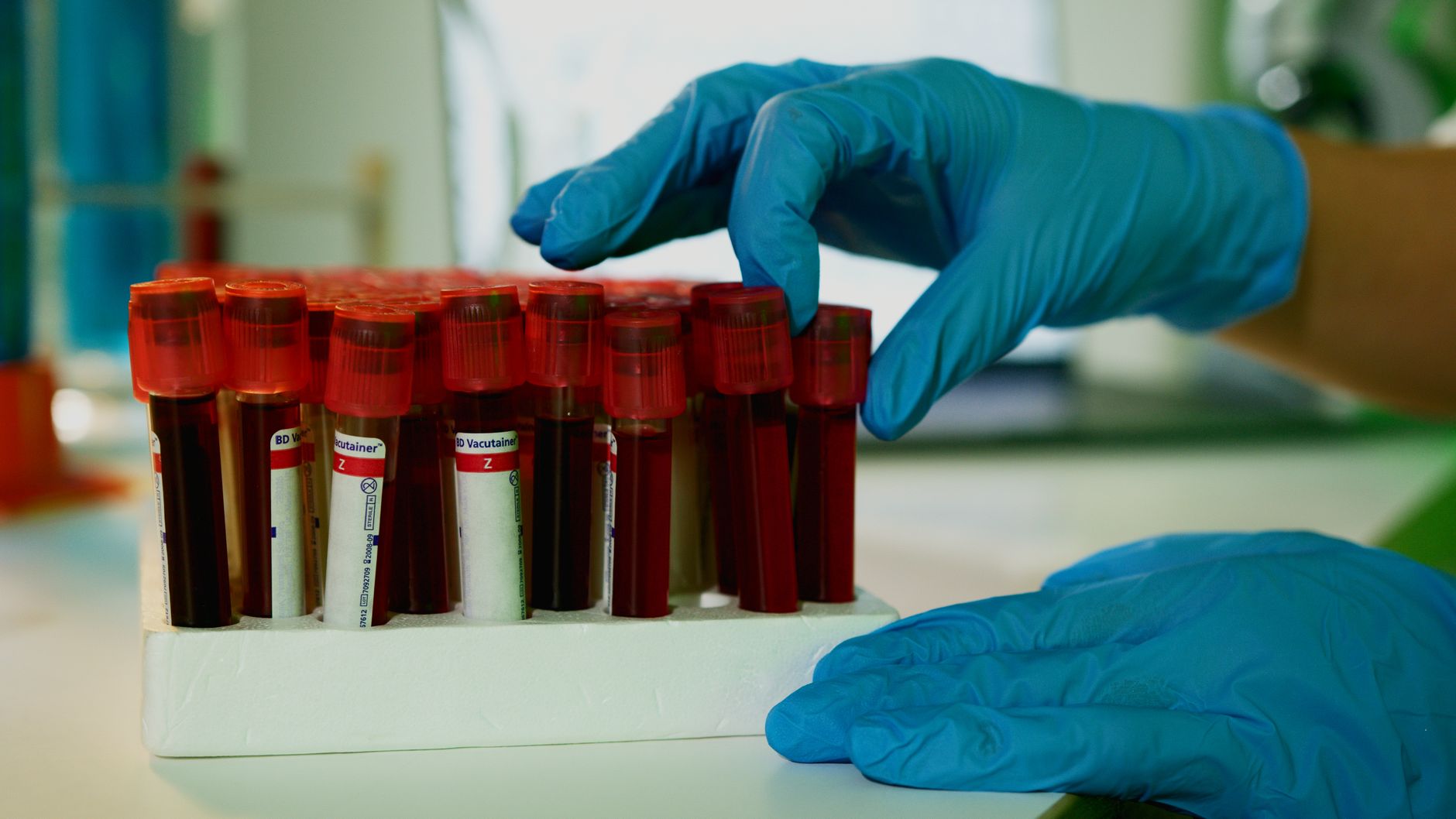
Researchers at Princess Margaret Cancer Centre in Toronto are working on a large trial to determine if a simple blood test can detect tiny amounts of cancer left behind after treatment — before CT scans can spot it.
Lead investigator Dr. Lillian Siu says smaller studies around the world have already shown evidence that cancer DNA can show up in the blood in quantities too small to be identified by traditional imaging. But large-scale proof is needed. The trial, called SHERLOCK, is enrolling 7,000 patients who have completed radiation, chemotherapy, or other cancer treatments and testing their blood to find microscopic remnants of tumour DNA — also known as a liquid biopsy or molecular residual disease.
If the test comes back positive, patients could get additional experimental treatments like new immunotherapies to try to prevent the cancer from returning. If negative, it could show the cancer is truly gone, allowing doctors to stop unnecessary chemotherapy or radiation sessions that cause serious side effects.
Siu emphasized that although promising, blood tests to predict cancer recurrence are "not standard of care" yet. "You need to have the long-term followup to know whether the test is actually predicting longer-term outcome(s)," she said. The researchers plan to follow patients for at least five years.
Clinic teams and researchers have been studying liquid biopsies for the past decade, Siu noted. There is now a "substantial amount of data to show that people who have positive molecular residual cancer, their cancer has a very high chance of returning." But the SHERLOCK trial aims to build the evidence needed to ease one of cancer patients' biggest fears: that their disease will come back after curative treatment.
"Most patients, even after curative treatment, whenever they come back to the clinic for a followup, I can see that they have fear in their eyes," Siu said. Gillian Vandekerkhove, an assistant professor at the University of British Columbia who studies bladder cancer and liquid biopsies, welcomed the SHERLOCK trial's broad focus on multiple cancer types rather than studying single cancers in isolation.
