Parks Canada reports westslope cutthroat trout returning to Hidden Lake in Banff
After more than a decade of restoration work, the threatened fish species is spawning naturally and repopulating its traditional habitat.
The day's top stories, food & events — every morning at 7. Unsubscribe anytime.
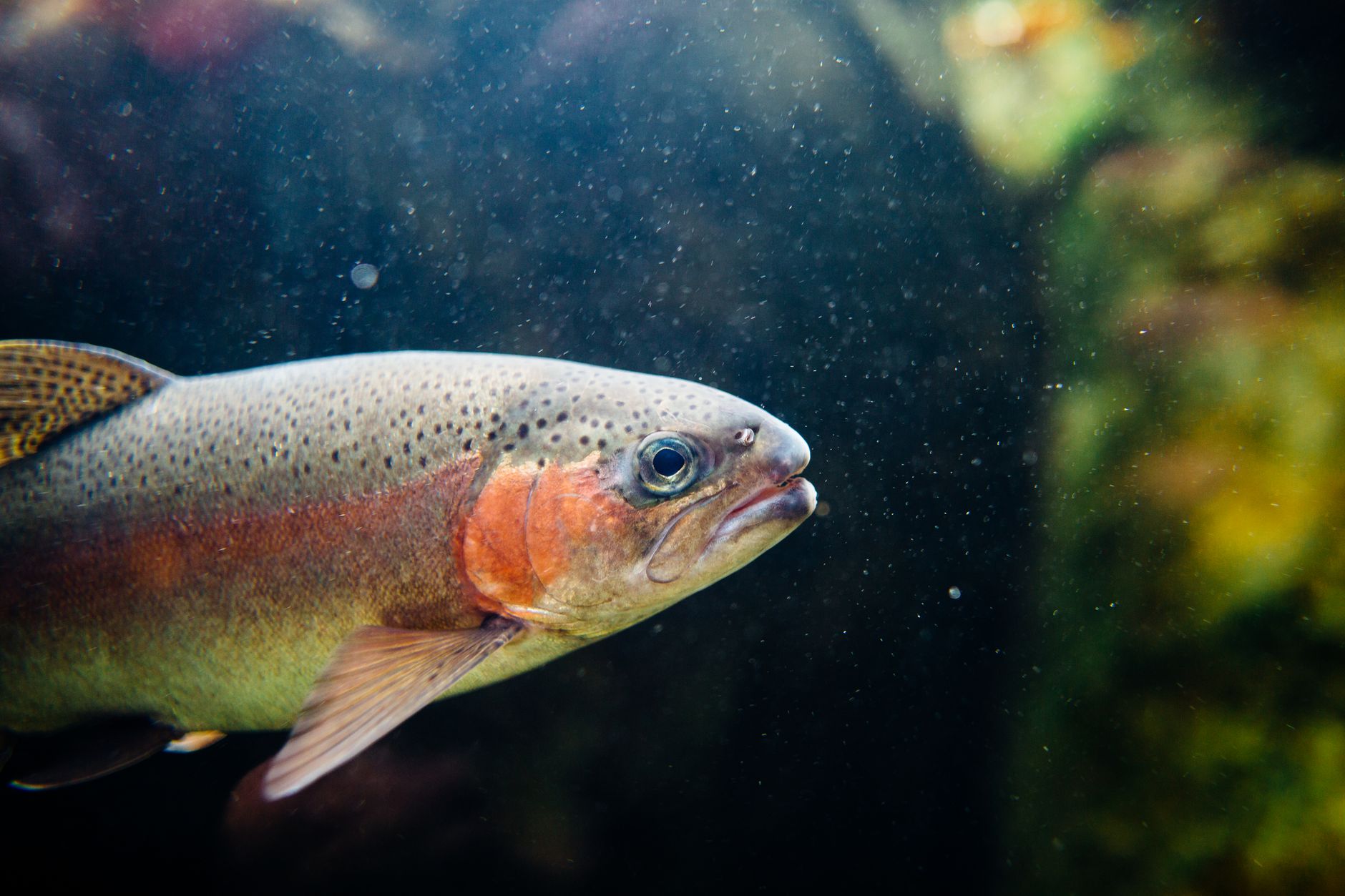
Parks Canada is reporting success in restoring a threatened fish species to Banff National Park. After more than a decade of work, westslope cutthroat trout are beginning to spawn naturally and repopulate Hidden Lake near Lake Louise.
Shelley Humphries, an aquatics specialist for Parks Canada's Lake Louise, Yoho and Kootenay field unit, said the fish are now self-sustaining. "It's so amazing. We're not going to have to worry about them up there," she said. "We were pretty sure it was all going to work because in the United States this work is done all the time and it's led to some delistings."
Restoration began in 2011 with attempts to naturally remove brook trout, which had colonized the lake and displaced the native species. That approach ultimately didn't work. Parks Canada then used rotenone, a natural fish poison, in 2018 and 2019 to remove brook trout. The agency started placing eggs in Hidden Lake in 2021 for four consecutive years, leading to successful spawning and fully grown fish appearing this year.
"Overall, the numbers are in really good shape," Humphries said. "We just want to see them now spawning in the streams because there are some places in the stream we're also expecting them to spawn in the future, not just up in the headwater lake."
Westslope cutthroat trout once thrived throughout Banff National Park and across Alberta. Recreational fishing in the 1900s and the introduction of non-native brook trout decimated the population, leaving the species in only about 10 per cent of its traditional waterways. "We're correcting a mistake we made. It happened 50, 100 years ago and we didn't realize it was going to be a problem. This is very correctable and the fish are imminently saveable," Humphries said.
Parks Canada has similar restoration projects underway at Helen Lake, Cascade Creek, Katherine Lake and Corral Creek. The agency is also planning similar work for threatened bull trout. Ecologically, restoring native fish can benefit other species like birds of prey and bears.
By the numbers
When did Parks Canada begin restoration work on westslope cutthroat trout in Hidden Lake?
Parks Canada began restoration efforts in 2011, initially attempting to naturally remove brook trout that had colonized Hidden Lake near Lake Louise in Banff National Park.
What method did Parks Canada use to remove brook trout from Hidden Lake?
Parks Canada used rotenone, a natural fish poison, in 2018 and 2019 to remove the invasive brook trout species from Hidden Lake.
When did westslope cutthroat trout start spawning naturally in Hidden Lake?
Westslope cutthroat trout began spawning naturally in Hidden Lake in 2026, after Parks Canada placed eggs there for four consecutive years starting in 2021.
How much of its traditional habitat has the westslope cutthroat trout lost?
Westslope cutthroat trout now occupy only about 10 per cent of its traditional waterways throughout Banff National Park and Alberta, decimated by recreational fishing in the 1900s and the introduction of non-native brook trout.
