Rising food costs forcing British Columbians to skip meals
New poll shows a third of B.C. residents are stressed about affordability; youth most affected by dietary changes.
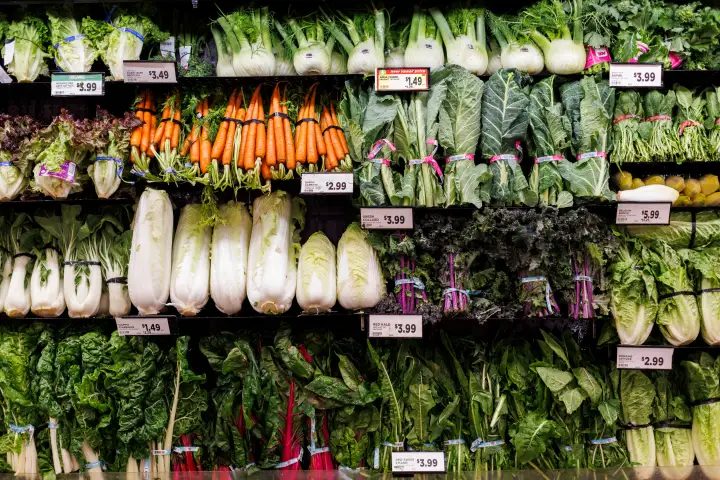
Nearly a third of British Columbians are more stressed about having enough money to reach the end of each month, according to a new poll that reveals the breadth of food-affordability anxiety across the province.
Research Co. and United Way BC surveyed 801 adults and found that rising food costs have forced significant dietary and shopping changes. More than one-third have switched to lower-priced generic brands or changed their diet entirely to avoid expensive products. One in five have cut back on lunches for themselves, 12 percent have reduced medication spending, and about 4 percent have cut children's lunches.
Young adults are particularly affected. Forty-one percent of British Columbians aged 18-34 have modified their diet because specific products became unaffordable, compared to 36 percent of those 35-54 and 28 percent of those 55 and older.
Just under one in four residents said they or household members recently reduced meal sizes due to affordability. About 18 percent said they're unable to afford healthier meals, 15 percent have skipped meals, and 15 percent have accessed food through community organizations or food banks.
Mario Canseco, president of Research Co., said the findings underscore generational strain. "The proportion is noteworthy among British Columbians aged 35-to-54 and aged 55 and over," he said.
Alžběta Sabová, director of Food Security at United Way BC, called the numbers alarming. "When we see people making significant changes to their diets because they can't afford food, so they would eat less or they would not send kids to school with lunches, that is something that is very alarming."
While the poll surveyed British Columbians, similar food-affordability pressures are being felt across Canada, including in Toronto, where food banks and community support organizations have reported increased demand.